Only 20 of 80 public institutions in Veles replied to accessibility questionnaire
Impact Net Foundation’s project produced a registry and mobile app, but many public buildings in Veles remain inaccessible.
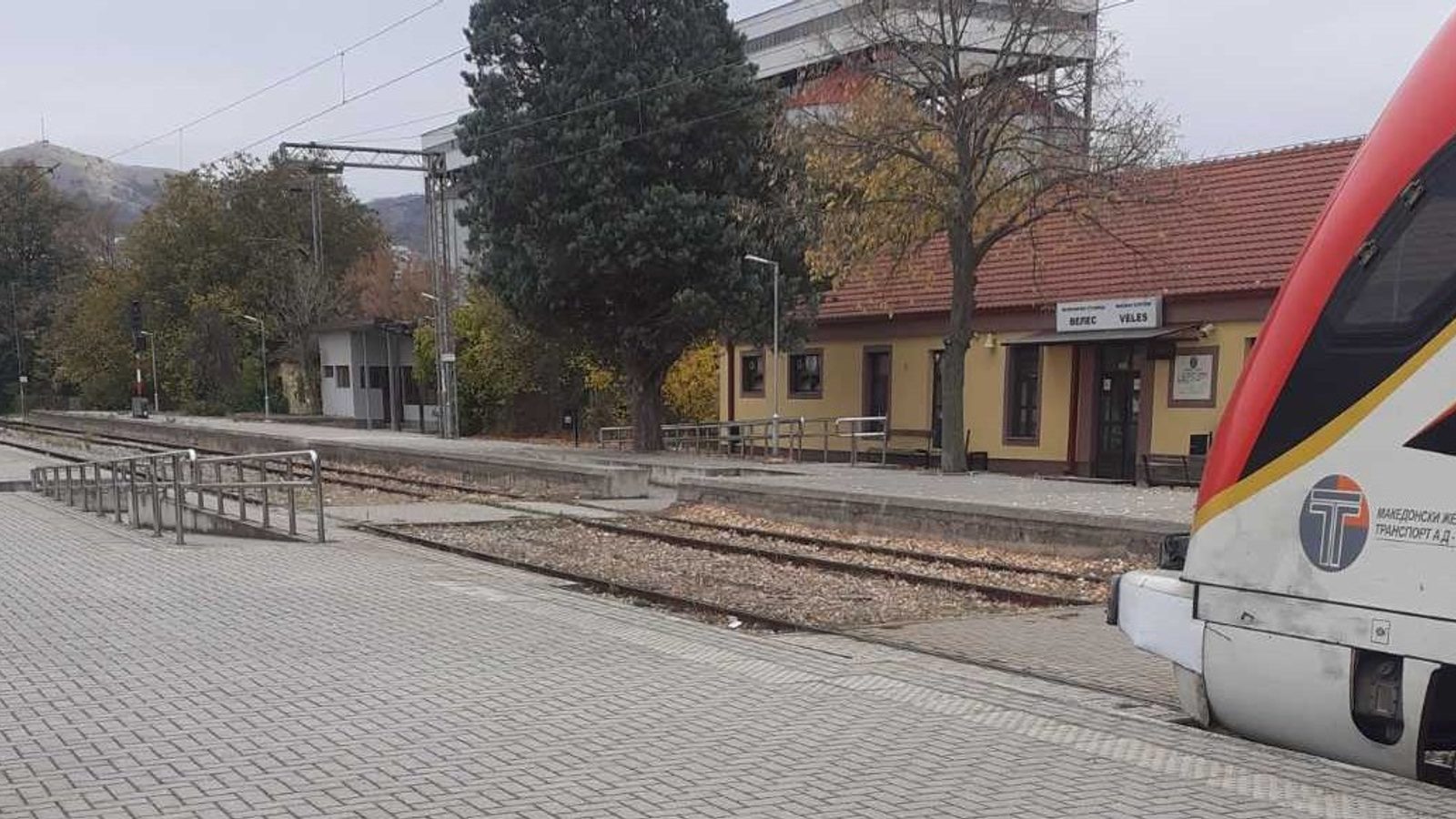
Only 20 out of 80 public and state institutions based in Veles replied to a questionnaire on their accessibility for people with disabilities, a survey attached to a municipal project carried out with EU funds.
Registry and mobile app created, but many buildings remain out of reach
The initiative, titled "Veles – Right for All," was implemented by the Impact Net Foundation and involved high‑school students from four local schools. Six months after the project began, the team compiled an accessibility registry and launched a mobile application that displays the results.
According to the project's methodology, accessibility is coded with traffic‑light colours: red for inaccessible, yellow for partially accessible and green for fully accessible. There is also a blue colour that covers all six modules of the questionnaire, not only physical mobility but also vision and hearing issues. The assessment checks whether an institution has a lift, an accessible approach, parking for people with disabilities, toilets, handrails, tactile paving, audio signalling and whether the institution provides a sign‑language interpreter, Aleksandra Dimitrioska said.
The audit marked several public locations in Veles as fully accessible (green): Vasil Glavinov Primary School, the gymnasium and the Chemical High School (which share the same building), the Health Centre, the hospital, the church of St. Cyril and Methodius, the railway station and the Basic Court. The Ombudsman and the Public Prosecutor's Office were not classified as fully accessible.
Project staff also noted that the town's only traffic lights lack audio signals for pedestrians with visual impairments, a shortcoming that affects street crossings even where buildings are otherwise accessible.
The findings highlight gaps in the local public infrastructure and aim to provide residents and visitors with up‑to‑date information via the registry and app, while prompting institutions to improve physical and sensory access.
Photo: SDK.MK)