Long waits for mammograms in Veles as screening lags
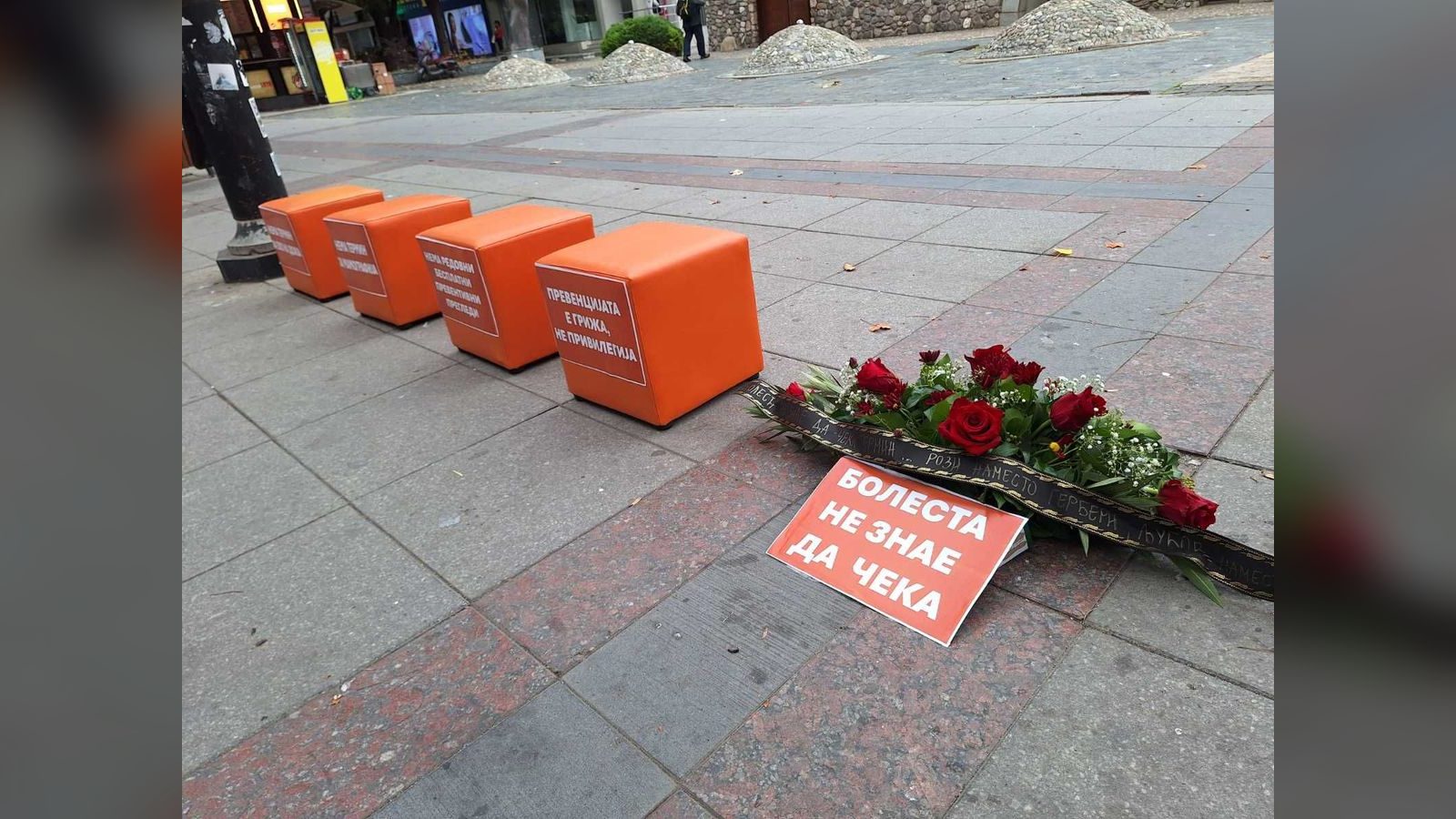
Doctors urge mammography from age 40, while patients in Veles report two‑plus month waits and some up to six months for follow‑up exams.
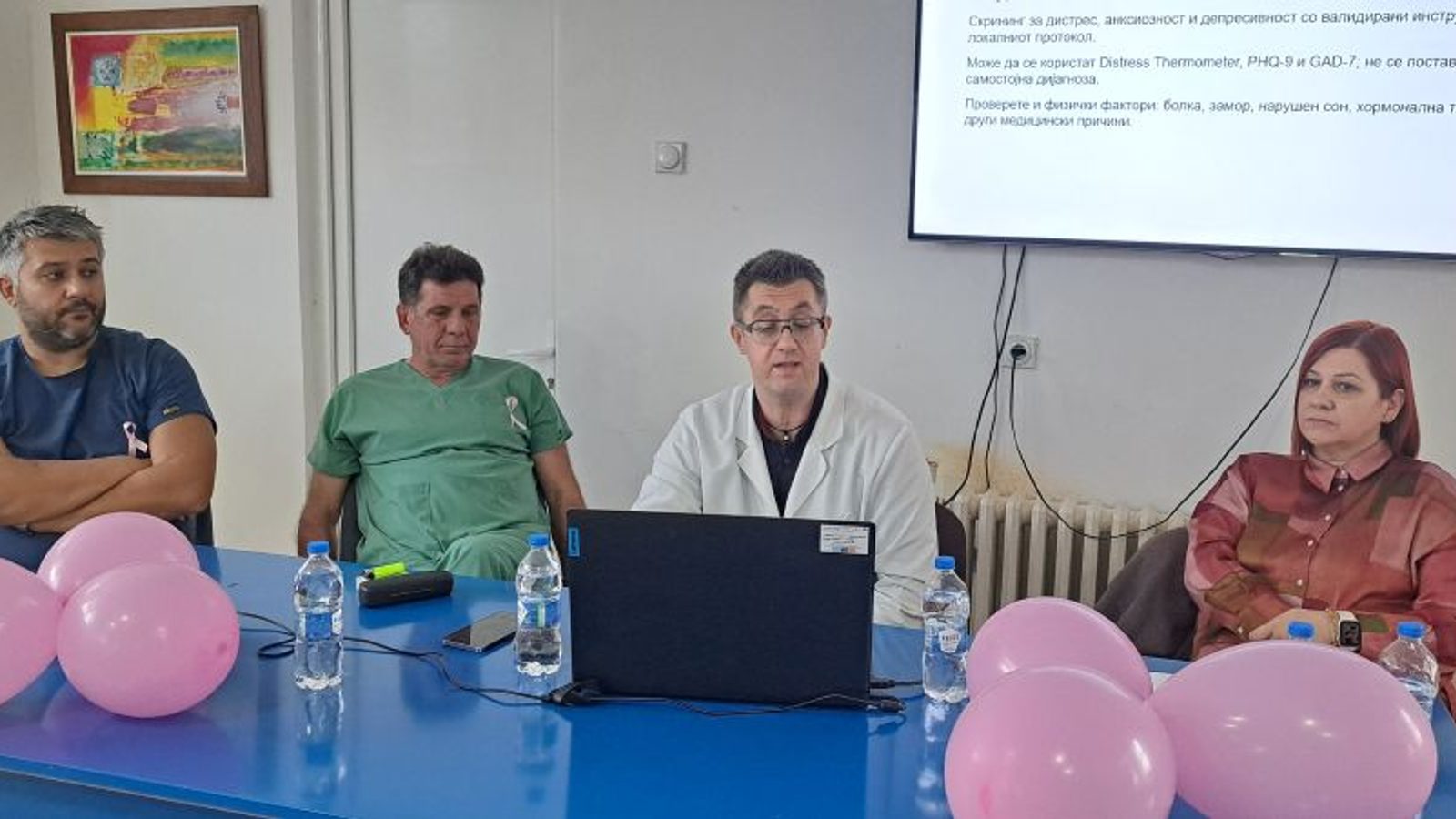
Women in Veles are waiting weeks or months for mammography appointments even as doctors stress that screening and early detection remain crucial, local clinicians said at a breast‑cancer public forum held this October.
Limited capacity, long queues
Dr. Gordana Gjorgjeva‑Kamcheva, a radiologist at the General Hospital with Extended Services Kavadarci, told the audience that “Estimates are that one in 12 women in Macedonia up to 75 years may develop breast cancer. The age boundary from 65 to 75 years has been lowered to 35 years.” She advised women to begin self‑checks or ultrasound at 35 and to have a mammogram from age 40.
Gjorgjeva‑Kamcheva also listed common risk factors: family predisposition, long‑term hormonal contraception, stress, heavy alcohol use, smoking, fast food consumption and obesity. “One sign of a developing breast cancer is retraction of the nipple from the breast,” she said.
This October the radiology department at General Hospital Kavadarci provided 150 free screening mammograms intended for women aged 40 to 80 from the municipalities of Kavadarci and Rosoman who had not had a mammogram in the past two years and had not scheduled an exam through the Breast Cabinet.
Despite that outreach, women in Veles report long waits. Patients and a family doctor who attended the forum said appointments in Veles are often two or more months away; some asymptomatic patients wait six to seven months. One former patient spoke about ongoing follow‑up problems: “I have been living for thirteen years after the operation. I have been waiting two months, since August, for a follow‑up mammogram. I don’t have an appointment, even though I am registered through my GP. I have no relief, even though I had surgery.”
On the allocation process Gjorgjeva‑Kamcheva explained: “Approval of appointments does not depend on the GP or the radiologist. The ‘Moj termin’ system is the one that redistributes women across the examination cabinets. I expect that this will be overcome and every woman will get the fastest appointment. Regarding the case of the cured patient, the distribution of appointments is made by the hospital. It has happened to me to have such appointments, but not to have patients who registered for the exam.”
Surgeon Petar Stavrevski described treatment decisions: “When it is determined that the tumor is malignant, then the method of operation is discussed – radical, with removal of the entire breast, or the tumor tissue will be removed.” Another surgeon, Petre Kodovski, stressed that breast carcinoma is among malignant conditions that can be cured with timely detection and care and recounted a case from last summer of an elderly Veles patient whose neglected 5‑kilogram tumor was removed and who survived after surgery.
The Breast Cabinet in Veles schedules about 18 mammography exams per week, on Tuesdays, Wednesdays and Thursdays, and the hospital said referrals from Kavadarci and Negotino have increased. Breast ultrasound examinations for some patients are performed at the St. Naum Ohridski Hospital in Skopje.
Photo: SDK.MK)