Ptichje mleko returns: a vintage Yugoslav homemade cake with semolina and lemon
Chocolate sponge, semolina‑lemon cream and a glossy glaze — a simple 1980s homemade cake to bring back to the table.
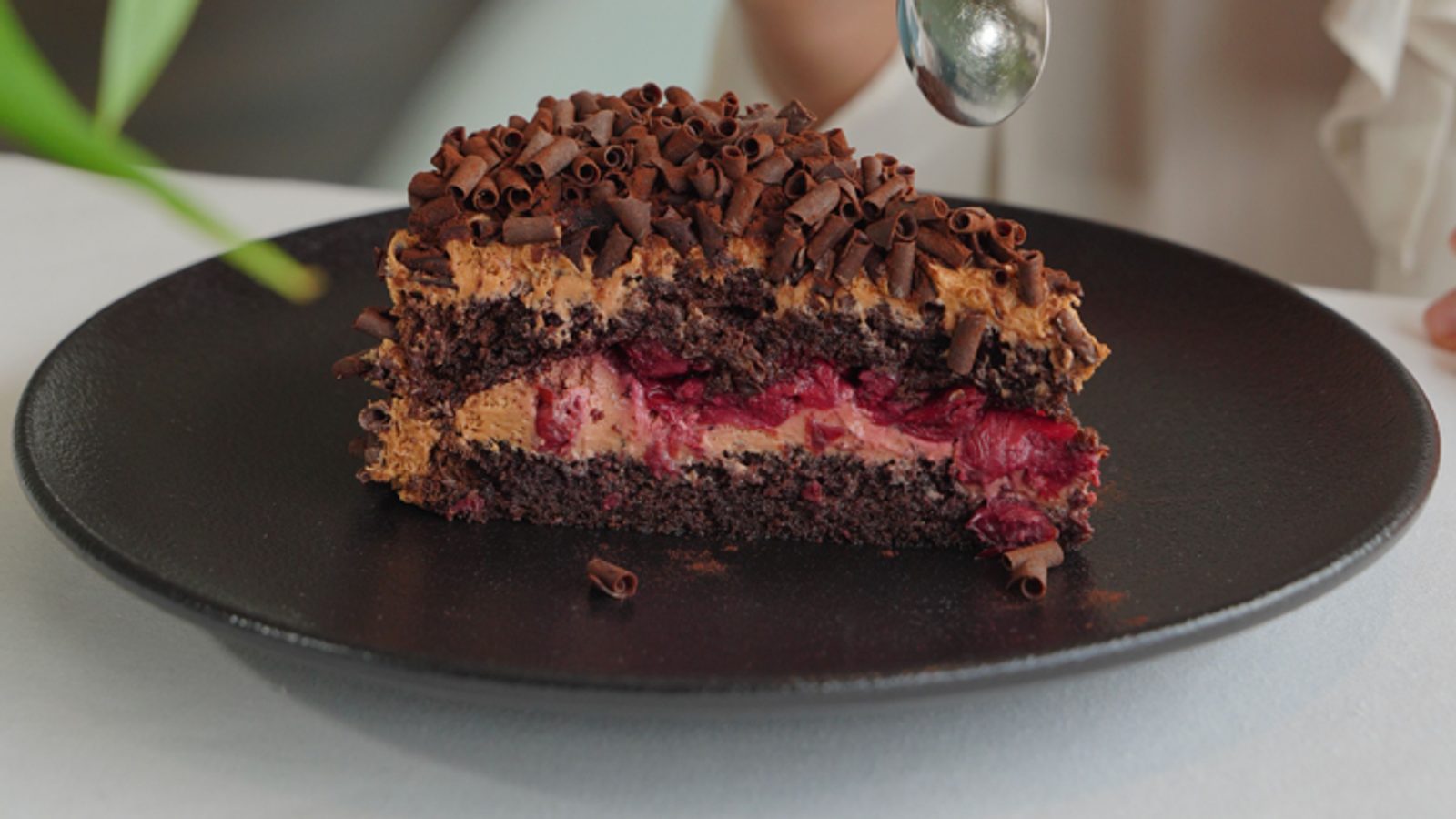
Ptichje mleko — the homemade cake that many households in Yugoslavia took out for holidays — is worth reviving. Its appeal lies in a balance of a dark chocolate sponge, a soft semolina-and-lemon cream and a thin chocolate glaze, made from simple ingredients and clear measures.
In the 1970s and 1980s the recipe circulated in handwritten booklets and between neighbours and relatives; there were numerous regional variations. One of the most memorable combinations pairs a chocolate base with a cream made by cooking semolina in milk, then enriching it with butter and fresh lemon for a gentle tang.
Ingredients
- For the base: 3 eggs; 230 g sugar; 130 g butter or margarine; 160 g flour; 50 g cocoa; 1 teaspoon baking powder; a pinch of salt.
- For the cream: 500 ml milk; 75 g semolina (griz); 120 g sugar; 200 g butter; 1 large lemon.
- For the glaze: 50 g chocolate; 30 g butter.
How to prepare
Begin with the chocolate sponge. Beat the eggs with the sugar until slightly aerated, then add the melted and cooled butter. In a separate bowl combine the flour, cocoa, baking powder and salt. Gradually fold the dry mix into the egg mixture until even.
Pour the batter into a springform or round pan about 24 cm in diameter and bake at 180 degrees Celsius for roughly 35–40 minutes. Ovens vary, so test the cake near the end of the baking time with a wooden skewer. Let the baked base cool completely and then slice it horizontally into two layers.
Prepare the semolina cream by pouring the milk into a saucepan, adding the semolina and cooking over low heat while stirring constantly until the mixture becomes very thick. Remove from heat and allow it to cool.
Grate the lemon zest, remove any seeds and finely chop the pulp; combine the lemon with the sugar. Whip the softened butter until lighter and airier, then add the cooled semolina base spoon by spoon while continuing to whip. Fold in the lemon mixture last. The resulting cream should be smooth, thick and distinctly citrusy.
Spread most of the cream on the lower sponge, place the second sponge on top and, if you wish, coat the sides thinly with the remaining cream. For the glaze, melt the chocolate with the butter and stir until smooth, then pour it over the top. Chill the finished cake in the refrigerator for several hours so the cream sets and the layers absorb some moisture. Pure enjoyment!
Photo: press material from the event