West Nile virus resurfaces — what symptoms to watch for and how to protect yourself
Mosquitoes spread West Nile virus primarily in summer and early autumn; most infections are symptomless but prevention is key.
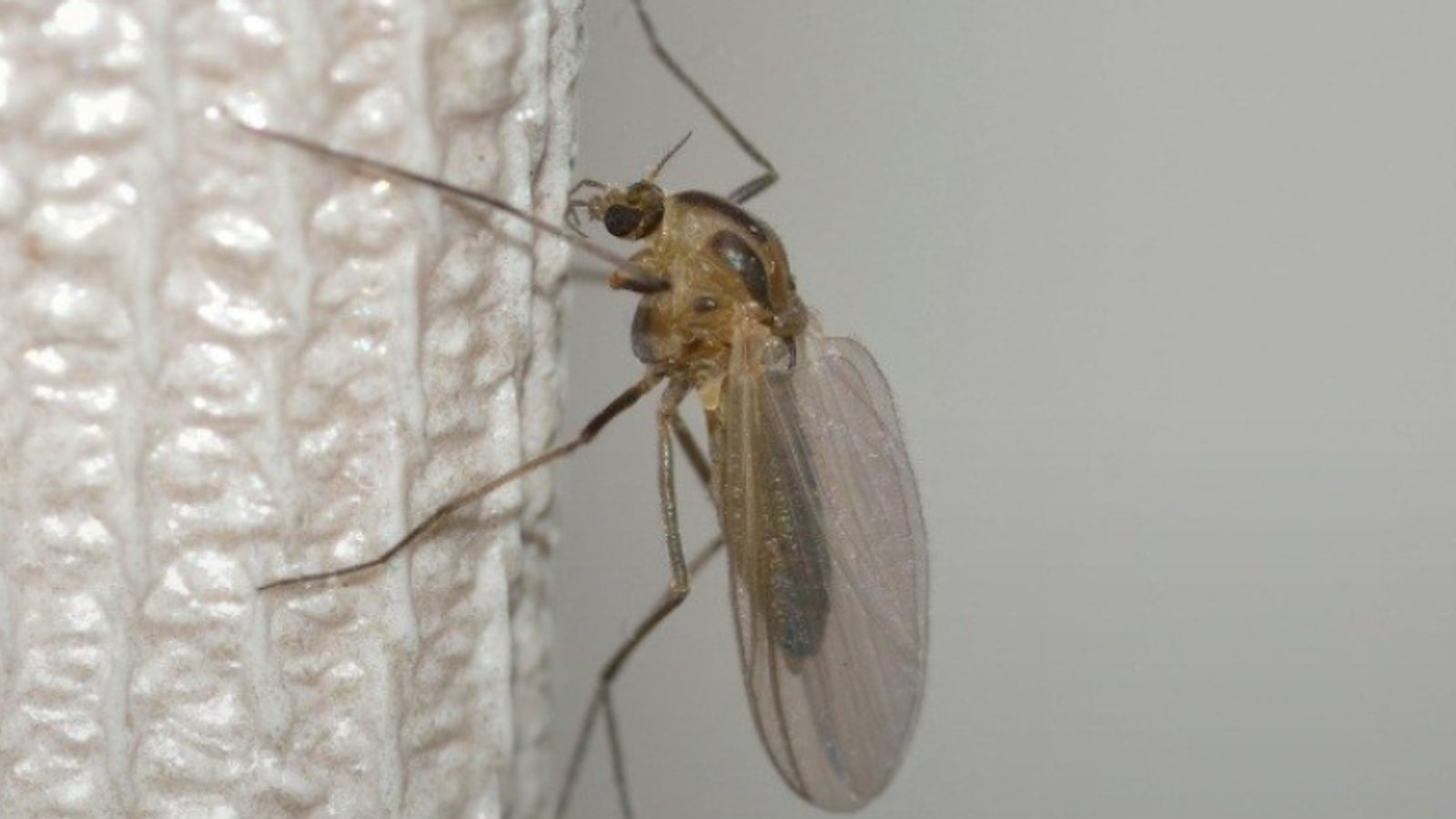
The West Nile virus is again drawing attention across Europe and the surrounding region as mosquito activity peaks. The most intense transmission is usually recorded during the summer months and in early autumn, making this period a time for increased vigilance and consistent use of mosquito-bite prevention measures.
The virus that causes West Nile fever circulates naturally between birds and mosquitoes; mosquitoes become infected when they feed on infected birds and can then transmit the virus to humans, horses and other mammals through bites. Humans are most commonly infected from the bite of an infected mosquito. The virus is not spread by ordinary person-to-person contact—touching an infected person, sharing a room, coughing, sneezing or other casual social contact do not transmit it.
Symptoms and typical course
One of the defining features of West Nile infection is that the majority of those infected develop no symptoms at all: about 80 percent of infected people will not notice any health problems and usually will not know they were infected. Approximately one in five infected persons may develop a mild form of the disease. Typical symptoms in these cases include fever, headache, fatigue, muscle and joint pain, a general feeling of weakness, and in some patients nausea, vomiting or a skin rash. In most mild cases symptoms resolve without serious consequences, although fatigue and weakness can sometimes linger after other symptoms subside.
In a small proportion of infections the virus can cause serious disease of the central nervous system. Such cases may present as encephalitis (inflammation of the brain) or meningitis (inflammation of the membranes surrounding the brain and spinal cord). Older adults, people with weakened immune systems and those with certain chronic medical conditions are at greater risk of developing severe forms.
Severe warning signs that require urgent medical assessment include severe headache, high fever, stiff neck, disorientation, altered consciousness, tremors, seizures, pronounced muscle weakness or paralysis. Although extremely rare, transmission of the virus between people has been documented in specific situations such as blood transfusion, organ transplantation or from mother to child.
There is currently no approved vaccine for humans and no specific antiviral treatment for West Nile virus infection. Mild cases are managed by relieving symptoms and supporting recovery; severe neurological involvement may require hospitalization and intensive medical care. Because there is no human vaccine, prevention through reducing mosquito bites remains the primary way to lower infection risk.
Practical measures to reduce exposure include using insect repellents according to product instructions, wearing clothing that covers arms and legs when practical, installing and maintaining insect screens on windows and doors, and eliminating mosquito breeding sites by emptying standing water from buckets, plant saucers, old tires, toys and other containers. Dead birds can be a sign of local virus circulation and should not be handled with bare hands; clusters of dead birds should be reported to the responsible health authorities for evaluation.
It is important to avoid unnecessary alarm: a mosquito bite does not mean a person is infected—only mosquitoes that are already carrying the virus can transmit it. Most people who become infected will not develop a serious illness, but anyone who spends time in an area with known virus circulation and then develops fever, severe headache, marked fatigue, body pains or neurological signs should seek medical advice, especially older adults and those in risk groups.
Photo: press material from the event