Podgorica hub highlights EU-backed human-rights projects
Civil society, journalists and EU Delegations from six Western Balkan countries gathered in Podgorica on 5–6 November 2026 to present practical projects and lessons learned.
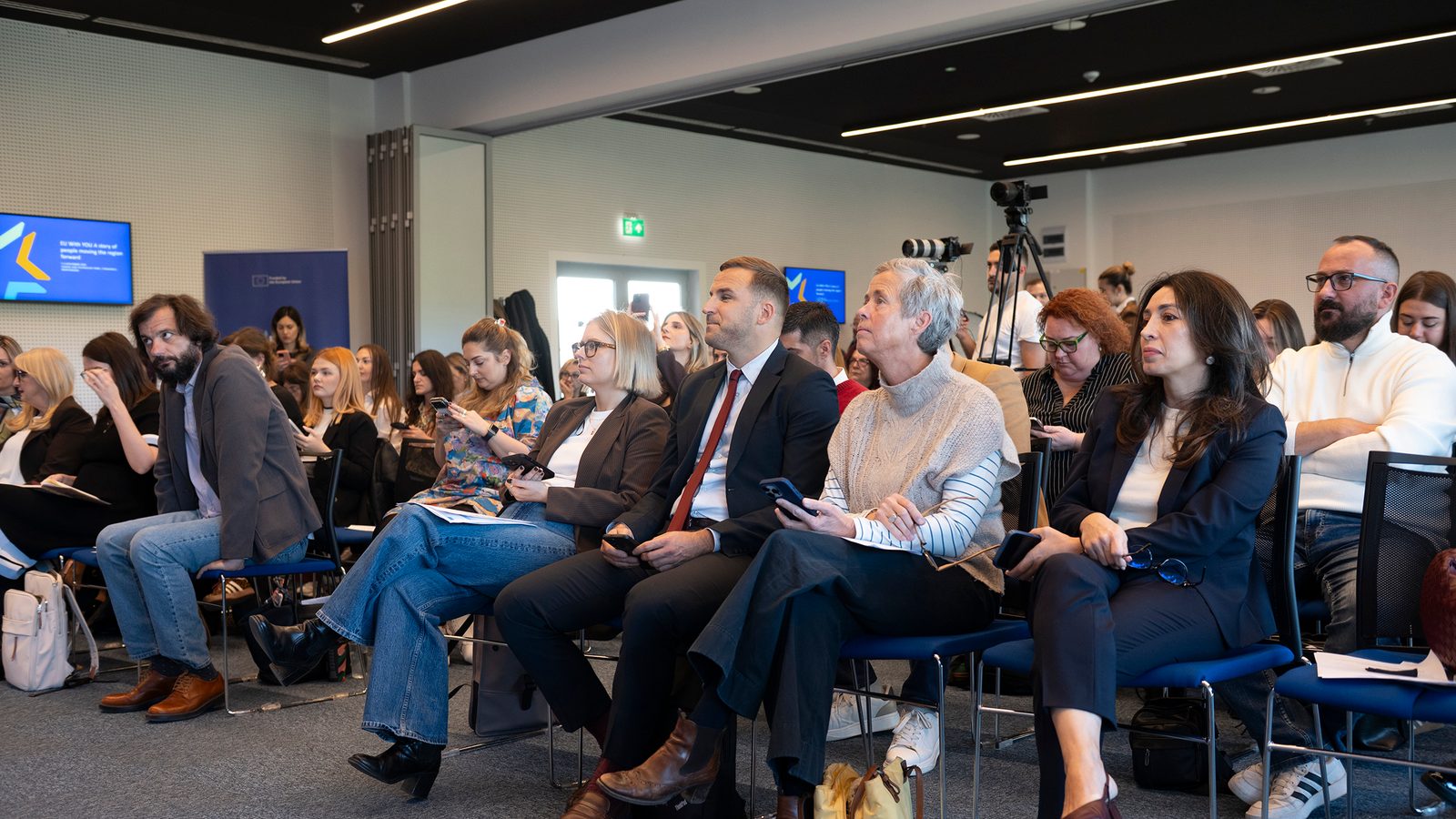
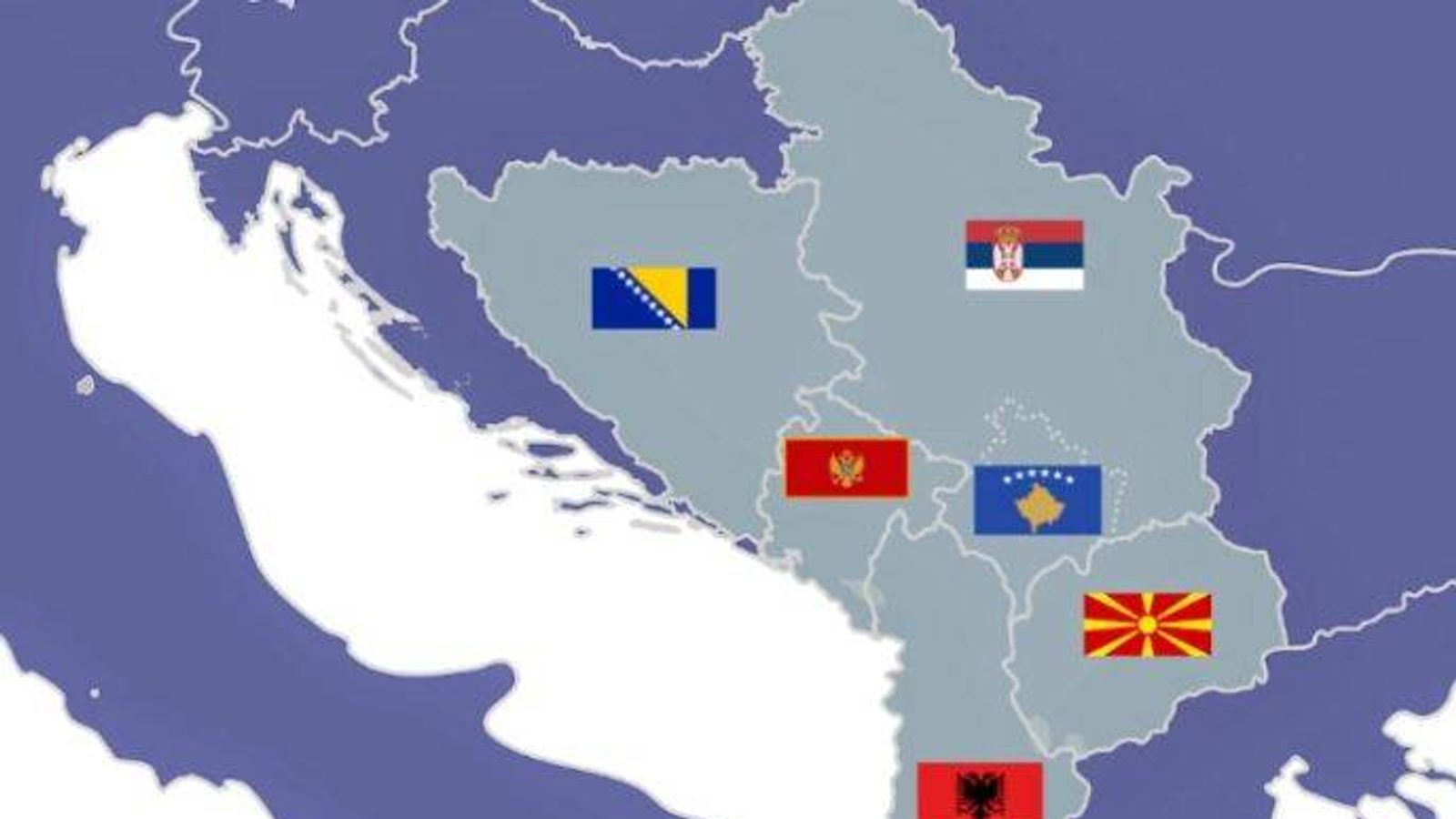
On 5 and 6 November 2026, Podgorica hosted a regional gathering where civil society groups, journalists, youth EU ambassadors and representatives of EU Delegations from Montenegro, North Macedonia, Albania, Kosovo, Bosnia and Herzegovina and Serbia presented concrete human-rights projects and discussed their results and challenges.
From apps to orchestras: practical projects, personal impact
Organisers said the event, called the Podgorica hub, aimed to put a human face on European Union support in the Western Balkans — not as abstract funding lines but as initiatives that change people’s everyday lives. “We try to confront some difficult topics, but we also try in a way to show that we are not talking about an EU project, but about the people of the Western Balkans who made changes,” said Samra Luchkin, coordinator and strategic communications manager at WeBalkans.
Speakers described varied interventions supported by the EU: a smartphone application that helps young Roma find employment; shelters and services for victims of domestic violence; and the Western Balkans Youth Orchestra, which brings musicians from across the region together. Suad Skenderi of Romalitico summarized one practical result: “Older generations do not show a tendency to adapt... they want to look for work in an old-fashioned way, so for them we also organise vocational trainings. It's easier with young people. We made an application that matches workers' skills with companies' demands. That way young people can adapt and find stable employment.”
Panelists emphasised that single programmes cannot solve entrenched problems but that steady, targeted interventions can shift social norms. “We cannot solve the whole situation with one programme. We try to make continuous interventions... The goal is, over time, to make discrimination less and less acceptable. And we think we are succeeding in that,” said Daliborka Uljarević.
Journalists at the hub highlighted how EU support has helped new reporting approaches and organisational models. Branko Chečen from Serbia described a newsroom governed by its assembly: “(Our...) journalists have an Assembly. The Assembly makes all the decisions, not the management. The management is obliged to implement what the Assembly decides... The EU made the idea of inclusion much more popular than it was.” In Bosnia and Herzegovina, media outlets supported by the EU have adopted solution-focused reporting and then organised local follow-ups to bridge gaps between authorities and marginalised groups, said Maida Muminović.
Young people’s participation was a prominent theme. The Western Balkans Youth Orchestra was presented as a tool to break down stereotypes: “Musicians for the first time play with musicians from other countries they otherwise would not. It helps fight stereotypes about each other. Trust is built through music,” said Lundrim Ređa. In Montenegro, organisers announced institutional changes to open parliamentary doors to youth: “There will be a youth committee in the Parliament of Montenegro. The Rules of Procedure have already been changed and in the next few days for the first time we will have the chance to work/speak directly with MPs,” said Vladimir Perazić of the National Youth Council of Montenegro.
Podgorica hosted the second such hub this year after a similar meeting in Belgrade. Organisers expect the cycle of gatherings to continue into the next year in other Western Balkan capitals, with the dual aim of showcasing successful EU-backed projects and using the exchanges to design programmes better tailored to citizens across the six candidate and potential candidate countries.
Photo: press material from the event