Evacuation begins in occupied Oleshky; Kyiv fears route through Russia
Local ceasefire allowed demilitarisation, a humanitarian convoy and 25 buses to reach Oleshky, but Kyiv is worried the evacuation path passes through Russia and Belarus.
After more than four years under Russian occupation, residents of the Ukrainian town of Oleshky were given an opportunity to leave the town and receive humanitarian aid, authorities said on the first day of the operation.
Convoy and evacuation buses arrive, route sparks Kyiv's concern
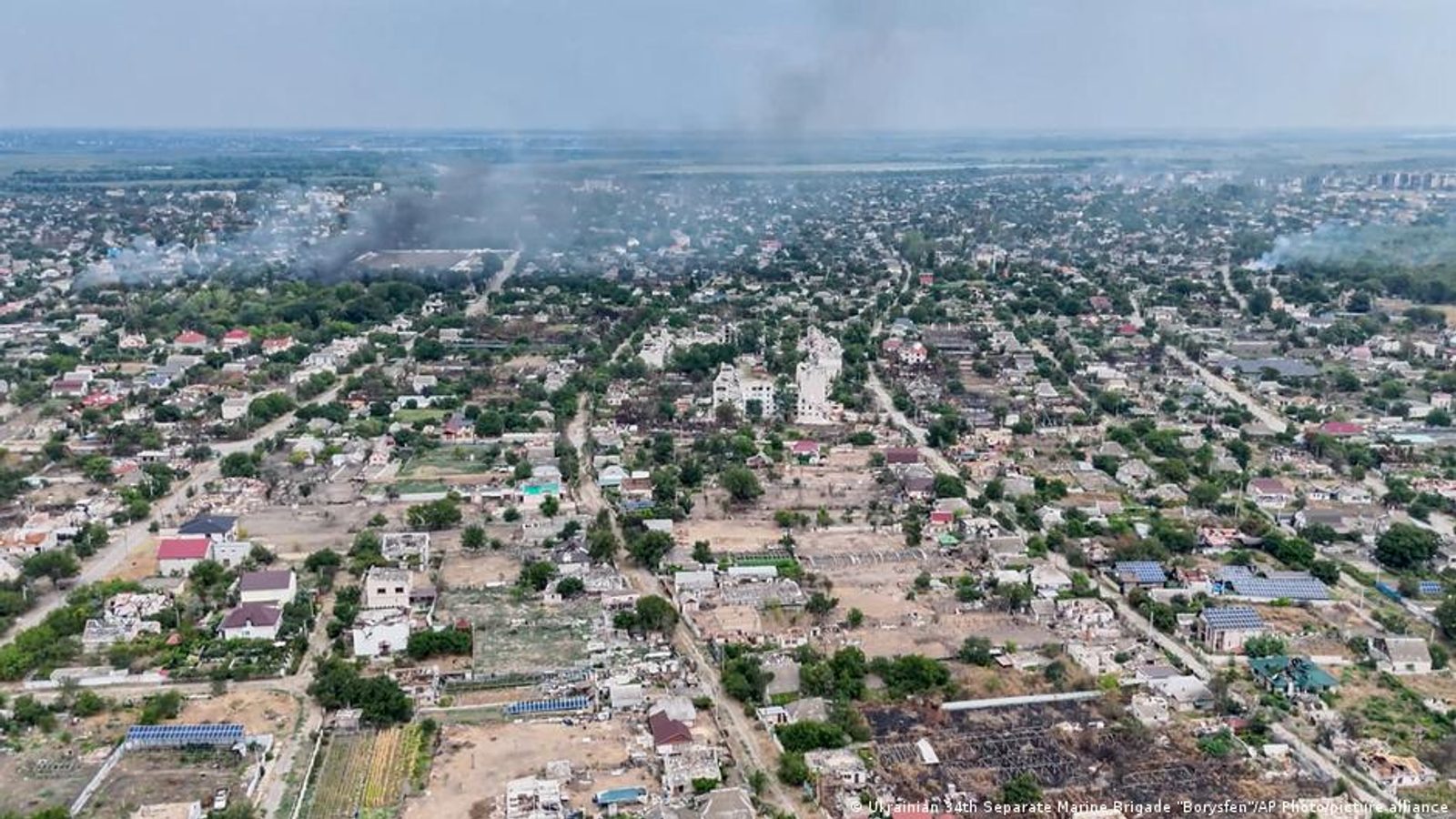
Both Ukrainian and Russian delegations travelled to Oleshky, a town in the Kherson region that before the 2022 invasion had roughly 24,000 residents but now is estimated to hold only between 1,700 and 2,000 people — mainly elderly, people with medical needs and families who have lived under occupation for years.
Organisers prepared 25 buses with capacity for 750 passengers and ambulances for people with limited mobility. "Today a large convoy is being organized that will deliver humanitarian aid to the city of Oleshky, in the Kherson region. The humanitarian aid has been prepared based on the needs the residents indicated to us. It consists of food, hygiene items, everything necessary, medicines, fuel and everything else that people need," said Yana Lantratova, the Russian Commissioner for Human Rights.
Ukrainian Ombudsman Dmytro Lubinets confirmed the ceasefire held for more than three days without incidents and described it as the longest pause along so wide a section of the front since Russia's 2022 invasion. "For more than 75 hours so far, a ceasefire has been in effect between Ukraine and the Russian Federation. Special thanks to the people who are monitoring and overseeing the ceasefire process. None of the parties has violated the truce even once," Lubinets said.
Despite the local truce, Kyiv has expressed alarm at the planned evacuation route. Although Ukrainian-held territory lies only about five kilometres away from Oleshky, the route for civilians leads through the Russian city of Anapa and the Belarusian city of Gomel before re‑entering Ukraine. Ukrainian officials warned civilians could be directed into Russia against their will, while assuring that evacuees will be free to decide where to go.
"Everything is fine. Soon you will be in Ukraine. We will all welcome you in Chernihiv Oblast. First we will receive you, then we will take you to hospitals if needed, and we will help you with anything else that will be necessary," Lubinets told worried residents.
The Kremlin said the Oleshky agreement should not be read as a sign that the ceasefire will expand to other front lines. For civilians, the immediate question remains whether several days without fighting will translate into a genuine chance to escape and reach safety.
Photo: President Of Ukraine from Ukraїna / Wikimedia Commons (Public domain)