Over 119,000 trees planted and 119 hectares restored in the Drin basin
Regional project across North Macedonia, Albania, Kosovo and Montenegro restored forests, trained roughly 2,100 people and promoted sustainable local livelihoods.
Over four years of a cross-border initiative in the Drin river basin, more than 119 hectares of degraded forest have been restored and over 119,000 native trees planted, while roughly 2,100 people received training in improved forest management.
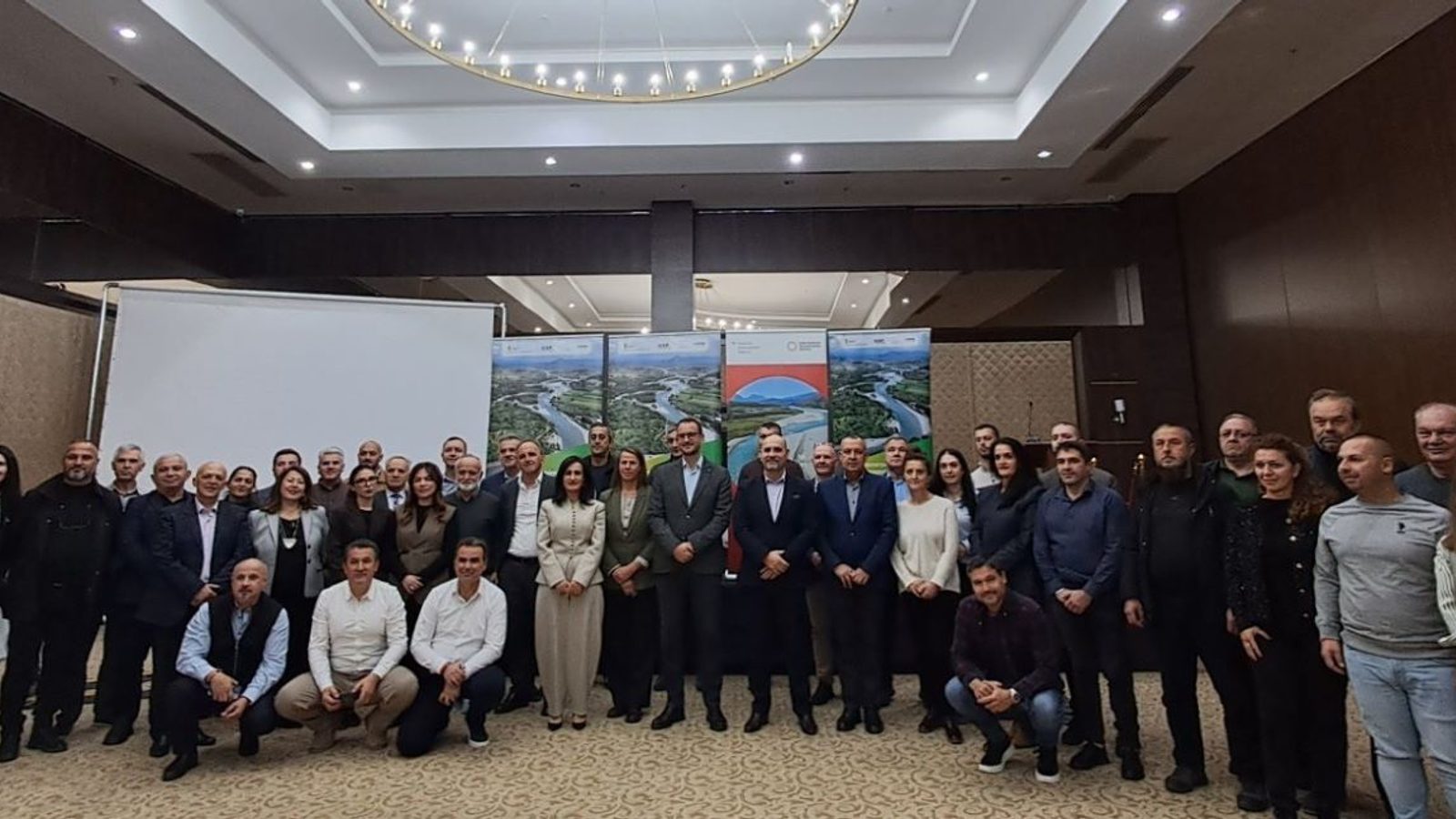
The results were presented at a regional expert roundtable in Struga titled "Integrated forest management in the Western Balkans: lessons learned, challenges and directions for the future", which brought together representatives from institutions, the forestry sector, municipalities, academia, civil society and the private sector from North Macedonia, Albania, Kosovo and Montenegro.
Project activities and threats to the basin
Organisers stressed that forests in the Drin basin play a central role in biodiversity protection, water regulation and climate resilience, and provide livelihoods for rural communities — but face persistent threats such as illegal logging, wildfires, drought, erosion and unsustainable use of forest resources.
"We are not gathered here just to present project results. We are here to exchange experiences, to learn from one another and to explore how successful practices can grow into long-term and sustainable solutions," said Nehat Ramadani, director of the Center for Development of Non-Formal Education and Partnerships (CNVP), North Macedonia.
Project activities include restoration of degraded forest areas, natural regeneration, erosion control and measures to increase forests' resilience to climate change. Beyond ecological gains, the initiative aims to open sustainable local economic opportunities such as beekeeping, use of forest products, chestnut production, biomass and ecotourism.
"Our greatest success are the people and partnerships behind these results: the local communities taking initiatives, the experts sharing their knowledge and the institutions cooperating beyond national borders," said Anila Aljaj, director of CNVP Albania. The initiative "Drin Forest Futures", according to Astrid Taus of ICEP, seeks to convert current achievements and regional cooperation into long-term actions for more resilient forests and sustainable livelihoods.
The project has been implemented since 2022 across the four countries with financial support from the Austrian Development Agency under the "International Partnerships Austria" programme, led by CNVP in partnership with the Austrian organisation ICEP.
Photo: SDK.MK)