Citizens' health at risk from wildfire smoke, Institute for Public Health warns
Smoke contains PM₁₀ and PM₂.₅ plus harmful gases; the Institute issues practical advice to reduce exposure.
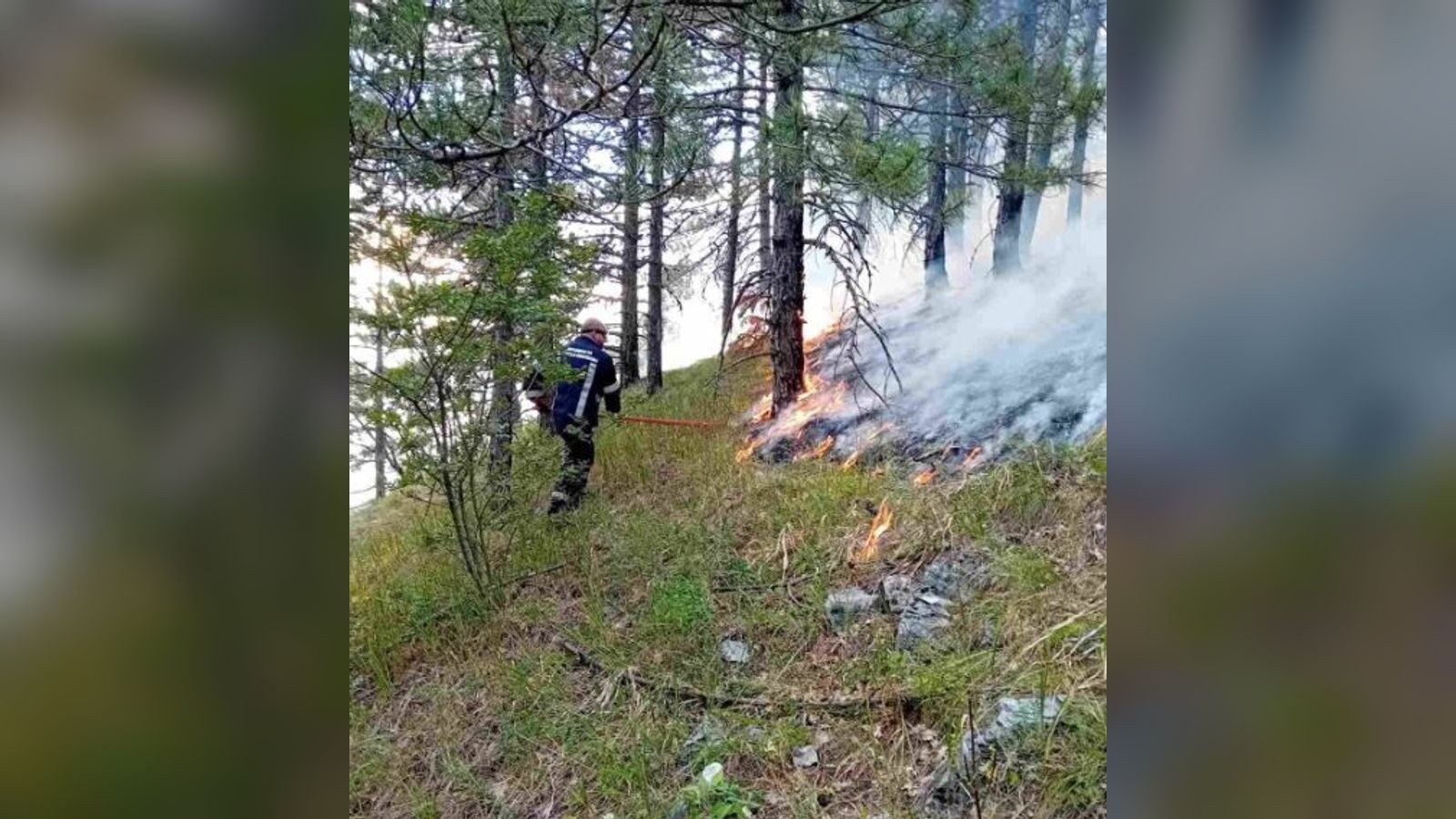
The Institute for Public Health (IPH) warned on Friday morning that smoke from open fires poses a significant public-health risk and can affect people far from the burning areas.
Smoke from wildfires is a complex mixture of suspended particles — PM₁₀ and PM₂.₅ — together with gaseous and chemical pollutants such as carbon monoxide, nitrogen oxides, volatile organic compounds and polycyclic aromatic hydrocarbons. Of particular concern are the fine particles (PM₂.₅), which can penetrate deeply into the lungs and trigger inflammatory and oxidative-stress responses across multiple organ systems.
Exposure to smoke can irritate the airways, cause coughing, wheezing and shortness of breath, and reduce lung function. People with asthma, chronic obstructive pulmonary disease and other respiratory conditions are at risk of worsening symptoms. Fine particles are also linked to inflammatory and vascular changes that can aggravate existing cardiovascular disease and increase the risk of acute cardiac events.
Research suggests that air pollution from fires may influence the nervous system through inflammatory and oxidative mechanisms, while the immediate threats of evacuation, loss of home and disruption to daily life can contribute to anxiety, depressive symptoms and post‑traumatic stress. During pregnancy, exposure to polluted air from fires has been associated with a higher risk of adverse outcomes, notably preterm birth and low birth weight. Components of smoke can also affect immune function, and ash and smoke may irritate the eyes and skin.
Practical steps to reduce exposure
The IPH advises following official updates about fires and air quality and obeying evacuation orders when issued. Limit time spent outdoors while smoke is present and reduce vigorous physical activity to lower the volume of contaminated air inhaled. Stay indoors in the part of the dwelling with the cleanest air possible, keep windows and doors closed, and set air‑conditioning systems to recirculation when feasible to minimise intake of outdoor air.
Improve indoor air quality where possible by using a portable air purifier with a HEPA filter or a high‑efficiency filter in a ventilation system. Designate one room to maintain the cleanest air. Avoid creating additional indoor pollution: do not smoke, burn candles or incense, use wood stoves, spray aerosols, or carry out activities that produce smoke or particles. Ventilate the home only when outdoor air quality improves, and in cars keep windows closed and the ventilation on recirculation; avoid unnecessary travel when visibility is poor.
If you must be outdoors, a properly fitted N95 or FFP2 respirator can reduce exposure to fine particles but does not protect against all gaseous components of smoke. People with chronic respiratory or cardiovascular conditions should continue their prescribed medications, monitor their health, and ensure they have an adequate supply of medicines. Pay special attention when high temperatures coincide with smoke: closing windows must not lead to dangerous overheating. Seek medical attention for severe or progressive breathing difficulty, chest pain or pressure, altered consciousness, or a marked worsening of existing respiratory or cardiac disease.
Photo: press material from the event