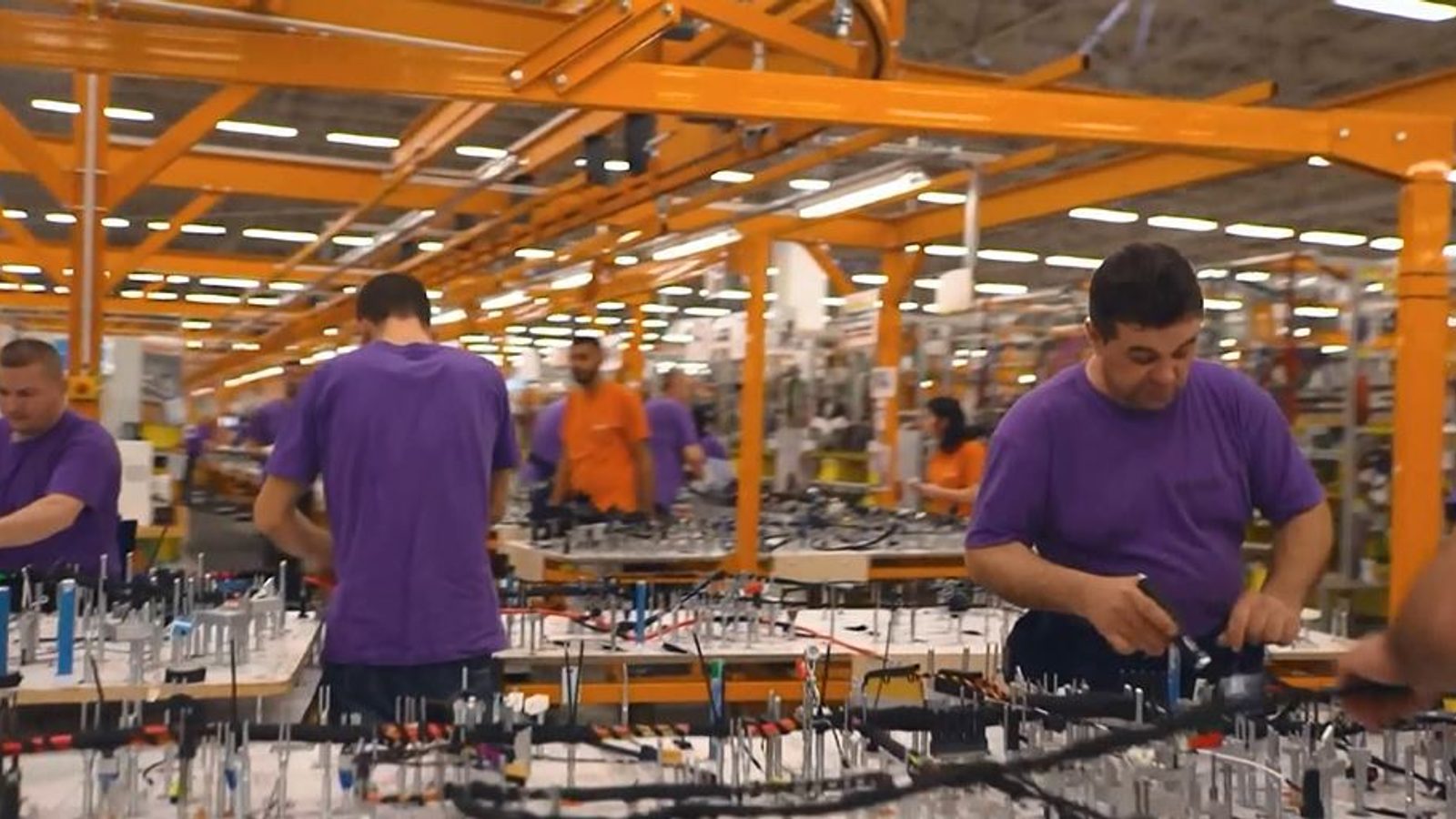
Rising costs and droughts cut agricultural output in North Macedonia
Farmers face higher input costs, water shortages and heat that reduce yields and force rapid adaptation.
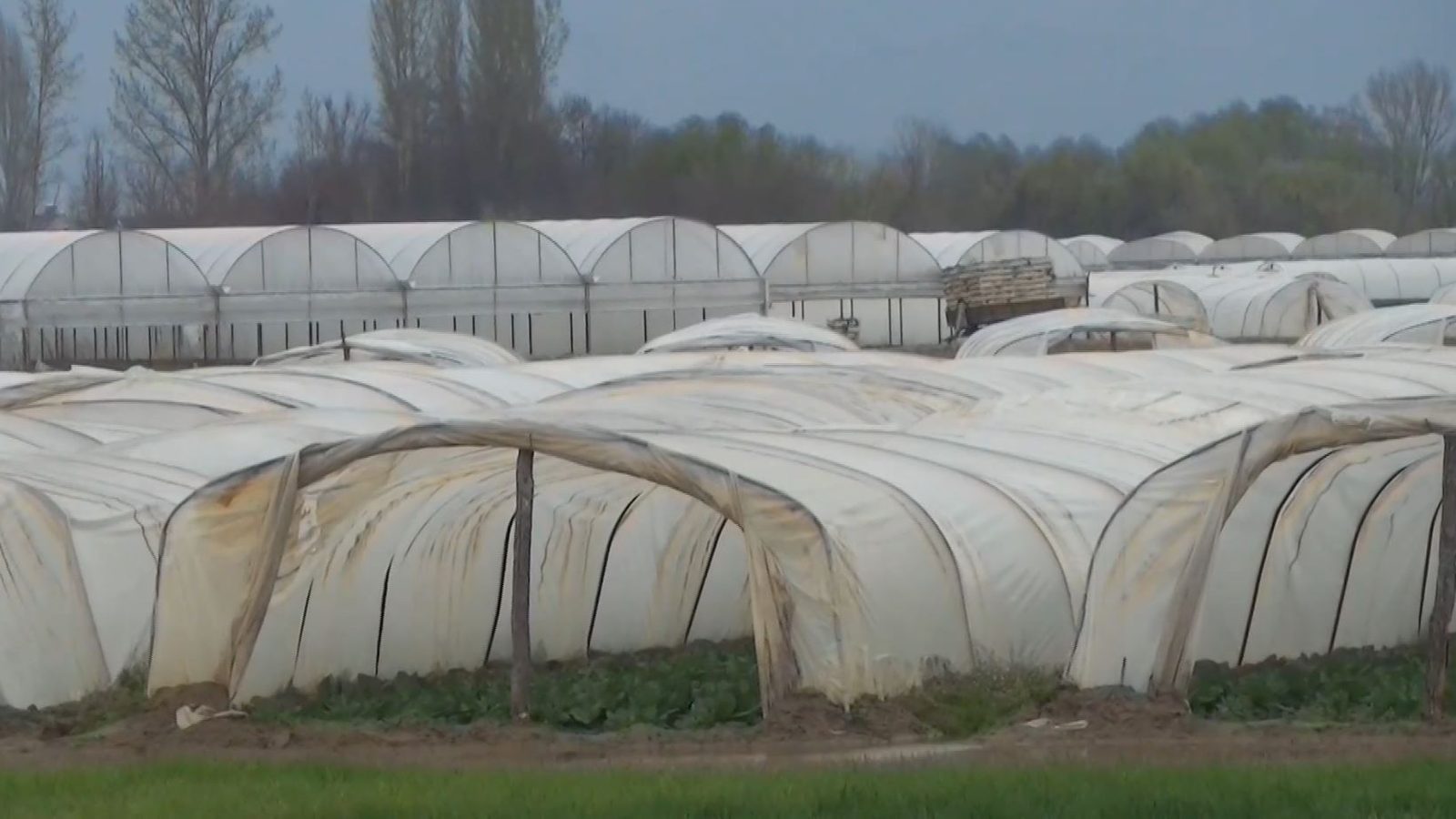
Periods of insufficient water, higher temperatures and abrupt weather swings are increasingly shaping farming seasons in North Macedonia, forcing producers to invest more without guaranteed higher yields. Drought and heat are already reducing quantities and quality of some crops, while irrigation and crop protection costs rise.
“Besides the fact that the farmer himself has a problem with the placement of his products, I have often said before that the biggest problem in his production is precisely the climatic factors because we are witnesses that we increasingly have fewer water quantities that the crop needs throughout the whole production, but we will also face quite high temperatures, which will adversely affect production so that he must find a way how and what next,” says Risto Velkov, agronomist and farmer.
More spending, smaller or lower-quality harvests
For many growers, higher outlays no longer lead to larger harvests. Farmers report losing parts of their crop, receiving lower-quality yields, and spending more on irrigation and plant protection. That combination squeezes margins and raises questions about the long-term viability of existing practices.
Producers are responding with technical and agronomic changes: protective nets, more efficient irrigation systems, switching to more resilient varieties and even selecting different crops that tolerate the new conditions better. “He should adapt to what the climatic factors themselves demand. So the producer himself must adapt to that manner of production,” says Risto Velkov, agronomist and farmer.
Environmental groups point to the role of energy and emissions in driving warming. “The burning of fossil fuels, especially coal and fossil gas, is a significant source of emissions that drive climate change. Therefore, the transition to clean energy is important for the future of agriculture and local communities. A just transition means gradual abandonment of coal, avoiding a new dependence on fossil gas and investments in renewables, new jobs and support for people and regions affected by the transition. With timely and well-planned measures, we can reduce climate risk and at the same time create more resilient local economies,” say Eko Svest.
Farmers are adapting season by season, but fields cannot indefinitely compensate for repeated droughts, heat waves and unstable weather. How quickly agriculture, the energy sector and public policy adjust will affect food prices and whether farmers can continue producing under increasingly unpredictable conditions.
Written by: Suzana Miceva
Photo: press material from the event