Denmark opens new work-permit route from 2027; gross pay ≈ €3,600
Denmark’s new 2027 pathway lowers the income threshold for work permits; Germany reports massive staff shortages across health, education and public services.
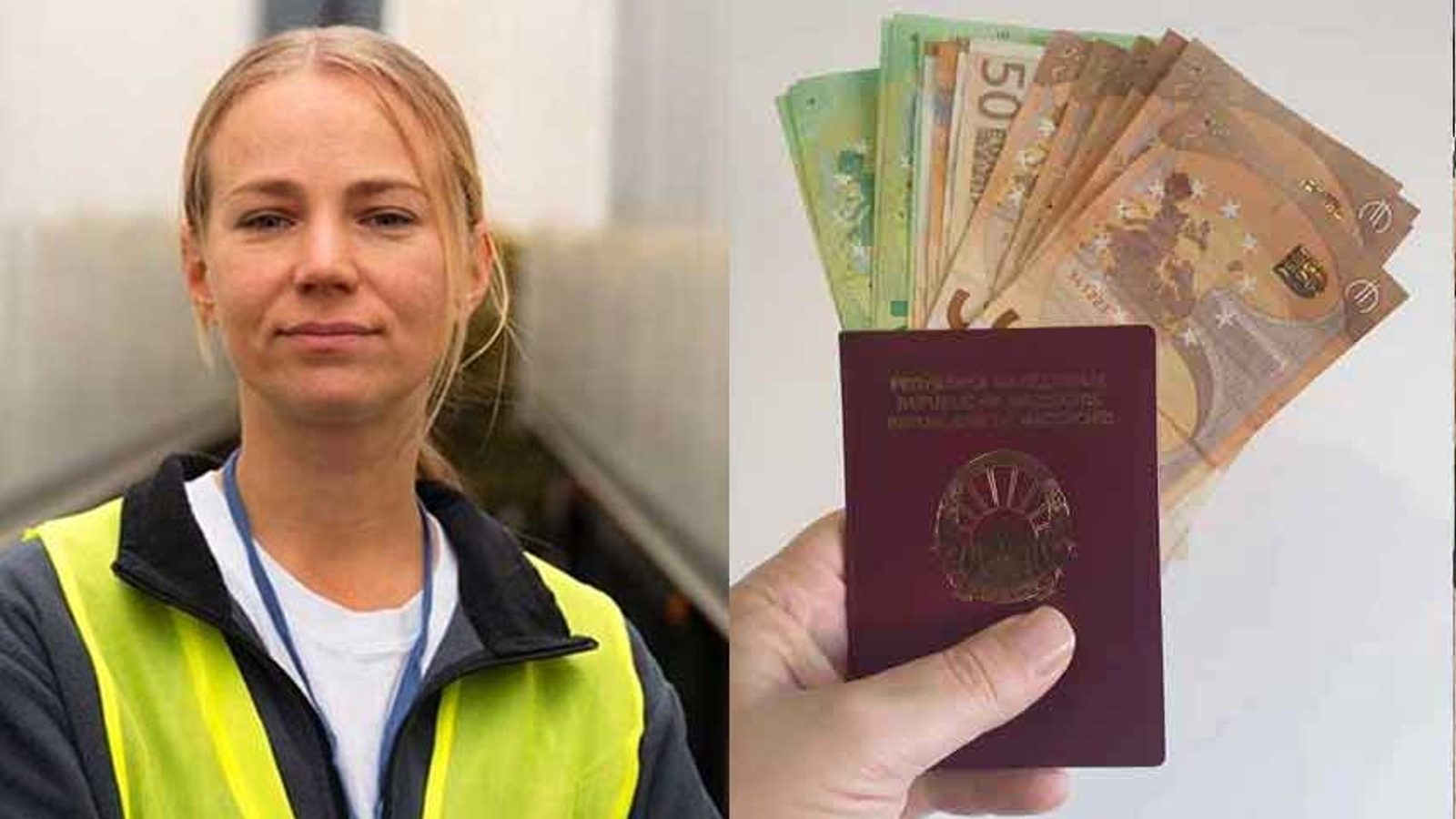
Denmark will introduce a new collective agreement-based entry route starting 1 January 2027 that opens easier access to work permits for citizens of 16 non‑EU countries, including North Macedonia. At the same time Germany — Europe’s largest economy — reports a historic shortage of staff across public and private sectors, creating fresh job opportunities for workers from the Balkans.
What Denmark’s rule means
Under the new Danish model, a foreign applicant must have a contract guaranteeing a minimum annual salary of 322,000 DKK (about 43,000 euros per year, or around 3,600 euros gross per month) to be eligible for a work permit. That threshold is a substantial drop from the previous requirement of 552,000 DKK, which broadens the range of professions that can qualify.
To recruit from abroad under this scheme, Danish employers must meet strict conditions: they need to have been operating for at least two years, maintain a minimum of 10 permanent employees, and hold a certificate from the Danish Agency for International Recruitment and Integration (SIRI).
For Macedonian citizens considering work abroad, the change means easier administrative access to Danish jobs in sectors where Danish companies need staff and are willing to offer competitive pay and integration support.
Meanwhile, Germany is facing an acute labour shortage. The dbb’s most recent annual survey finds a shortfall of 631,000 workers in the public sector alone — up from roughly 600,000 the previous year. The gaps are largest in health and care (125,500), education and childcare (120,000), municipal and local administration (112,000), and the police and Bundeswehr (92,000). Folker Gajer, president of the dbb, warned that the changing security environment and the need for more oversight make filling these positions urgent.
That combination — Denmark lowering thresholds for certain foreign hires and Germany needing large numbers of staff — creates concrete opportunities for motivated and qualified Macedonian workers across health care, technical trades, education, public administration and other sectors.
Photo: Fripik, Glamur