Saint Prophet Ezekiel commemorated today
The Church remembers Ezekiel’s visions and his prophetic ministry during the Babylonian exile.
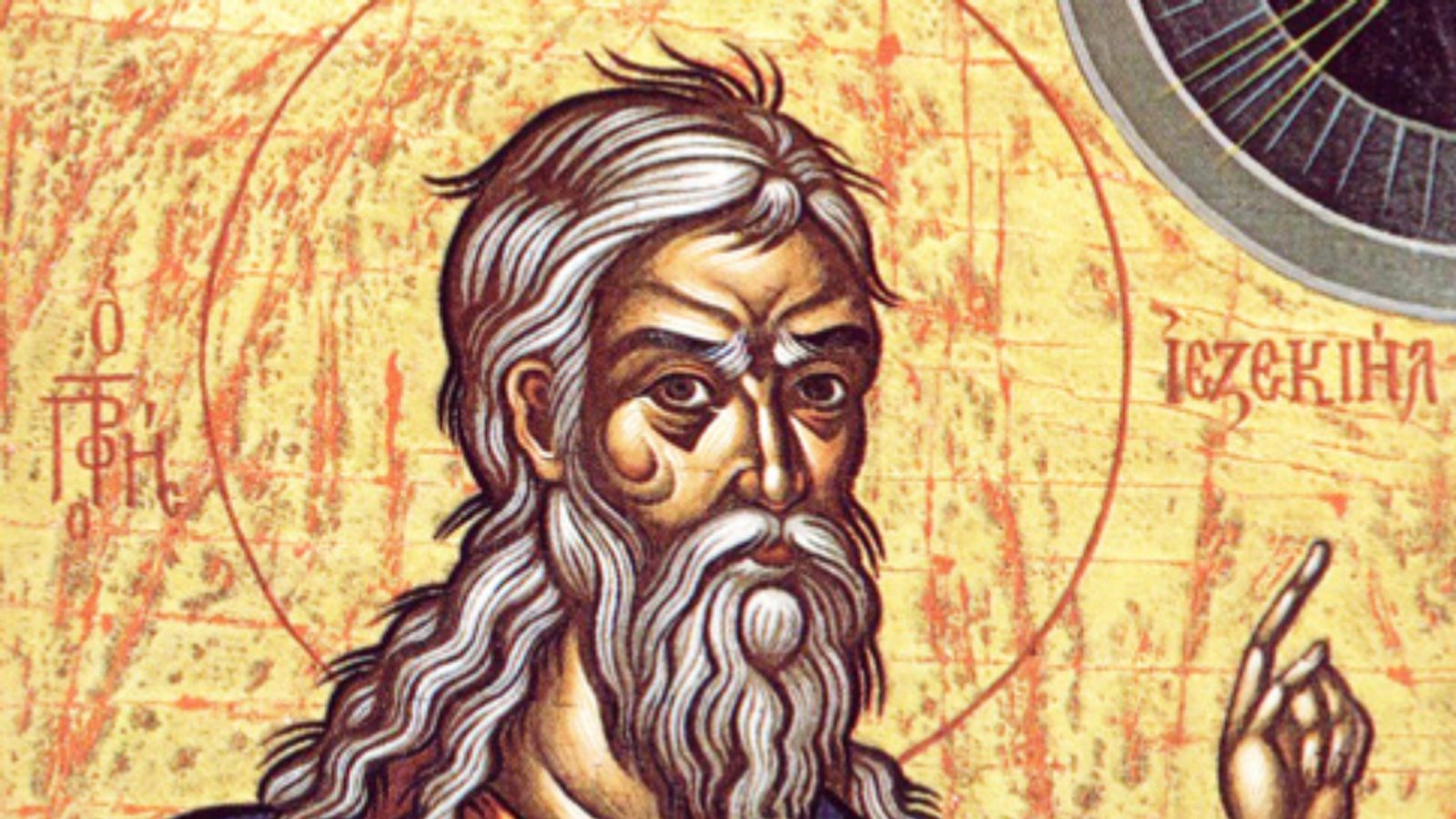
Today the Church commemorates the holy prophet Ezekiel. The feast marks the memory of the prophet who lived in exile and is remembered for dramatic visions, including the vision of the valley of dry bones.
Life, exile and prophetic mission
Ezekiel was the son of a priest from the town of Sarira and was taken into captivity in Babylon together with King Jehoiachin and many other Israelites. He prophesied for twenty-seven years while living in exile and was a contemporary of the prophet Jeremiah: Jeremiah ministered and prophesied in Jerusalem, whereas Ezekiel exercised his prophetic ministry in Babylon.
Despite their different locations, the two prophets' messages were consistent and reached both communities — Jeremiah’s prophecies were heard in Babylon and Ezekiel’s in Jerusalem. Both men faced hostility and suffering from those who did not accept their rebukes.
Ezekiel reported a series of astonishing visions beside the Chebar River. He described the heavens opened, a cloud, fire and lightning, and four living creatures like polished bronze: one with a human face, one like a lion, one like an ox, and one like an eagle. Interpreters have read these faces as symbols: the human face indicating the Lord incarnate as man, the lion His divinity, the ox His sacrifice, and the eagle His resurrection and ascension.
In another vision Ezekiel saw the resurrection of the dead: a valley full of dry bones that, when the Spirit of God descended, were restored to life and stood upon their feet. He also witnessed the terrible destruction of Jerusalem when God's wrath consumed the city, except for those who had been marked — the text speaks of a sign called the tav, resembling the letter T and understood as a sign of the cross.
According to the tradition preserved about his fate, the hostility of his fellow countrymen did not spare Ezekiel. Angered by his rebukes, they bound him to the tails of horses and tore him apart. He was said to have been buried in the tomb of Shem, son of Noah.
Photo: press material from the event