Cadastre director could be dismissed after an adverse audit report
Draft changes align cadastre appointments with the Law on Senior Managers and add audit-based grounds for dismissal.
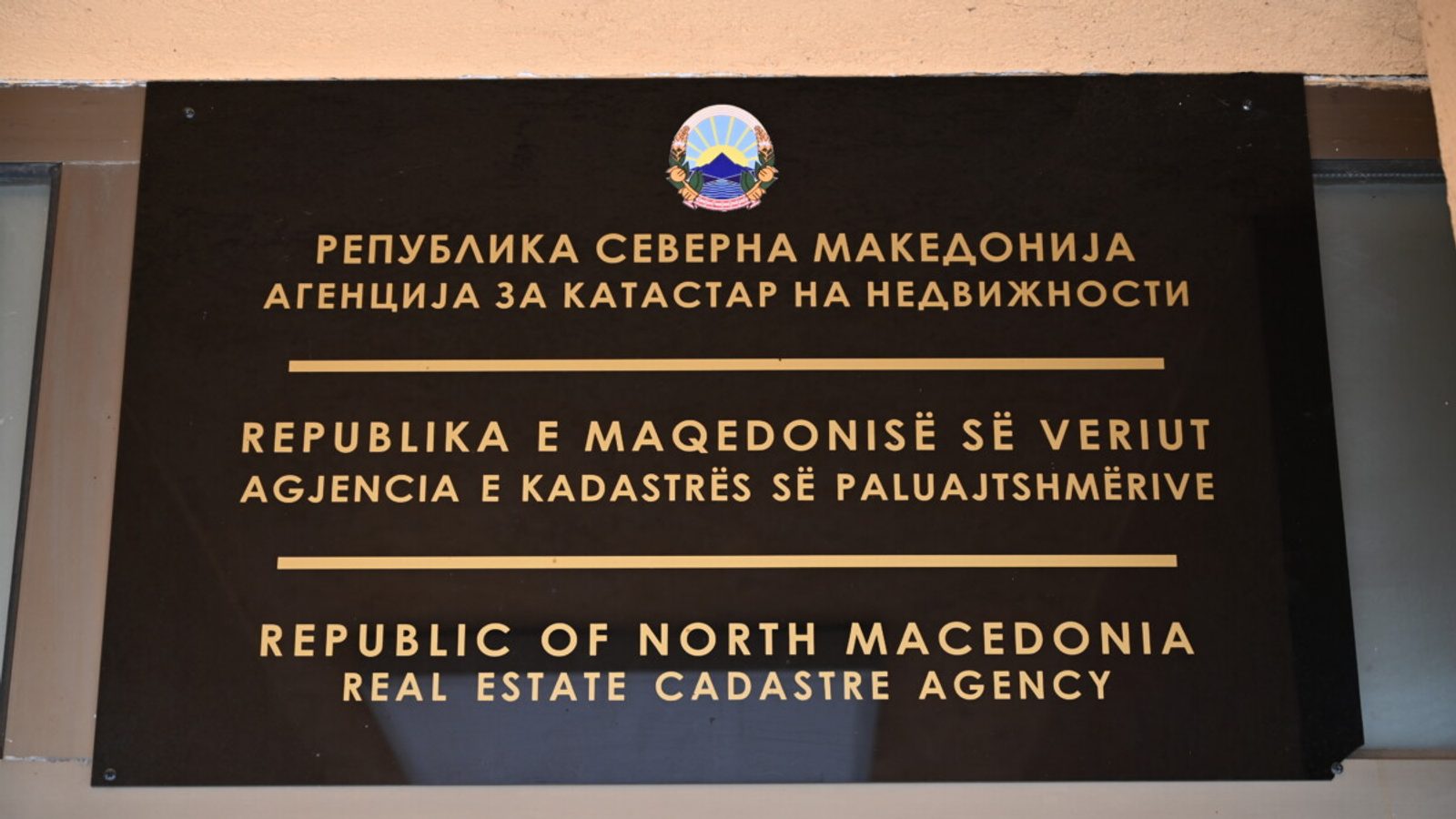
Draft amendments to the Law on Cadastre and Real Estate would change how senior managers at the cadastre agency are appointed and removed, introducing audit-based grounds for dismissal and bringing cadastre procedures into line with the new Law on Senior Managers.
The proposal replaces the agency’s existing special selection rules with the unified appointment system established by the Law on Senior Managers. Under the draft, directors, deputy directors and members of the board will be appointed through the single procedure prescribed by that law and must meet the conditions it sets.
The draft introduces new and clearer reasons for removing board members and the director. Board presidents and members could be dismissed if it is established that, in performing their duties personally or together with another member, they acted contrary to the core objectives of the Law on Cadastre and Real Estate. That finding may be based on an audit report assessing the extent to which the Agency has fulfilled its legal competencies.
Audit reports as a formal basis for removal
In addition, the draft specifies that unprofessional, non‑technical or negligent performance in material and financial matters — when recorded in an audit report — may also justify dismissal. The proposal sets separate conditions under which the director and deputy director can be removed: besides the cases listed in the Law on Senior Managers, dismissal may follow if a report required under Article 15, paragraph 2 of the Law on Cadastre and Real Estate is not submitted.
“The Director of the Agency is obliged to submit a report on the Agency's work to the Government of North Macedonia no later than March 31 in the current year for the previous year.” The draft also foresees removal if the director fails, after the statutory deadline, to correct identified shortcomings, if the same shortcomings reappear, or if there are losses in financial operations.
The explanatory note accompanying the draft says the aim is to avoid conflicts between legal provisions and to ensure a single approach to appointment, qualification requirements, termination and dismissal of senior managers. The bill was submitted for adoption under an expedited procedure; it would enter into force on the eighth day after publication in the Official Gazette and begin to apply from October 1, 2026.
Photo: Sloboden pechat - Dragan Mitreski