Ohrid Lake bed again choked by plastic and other waste
Divers and researchers warn that accumulated plastic and tyres on the lake bottom threaten biodiversity and human health.
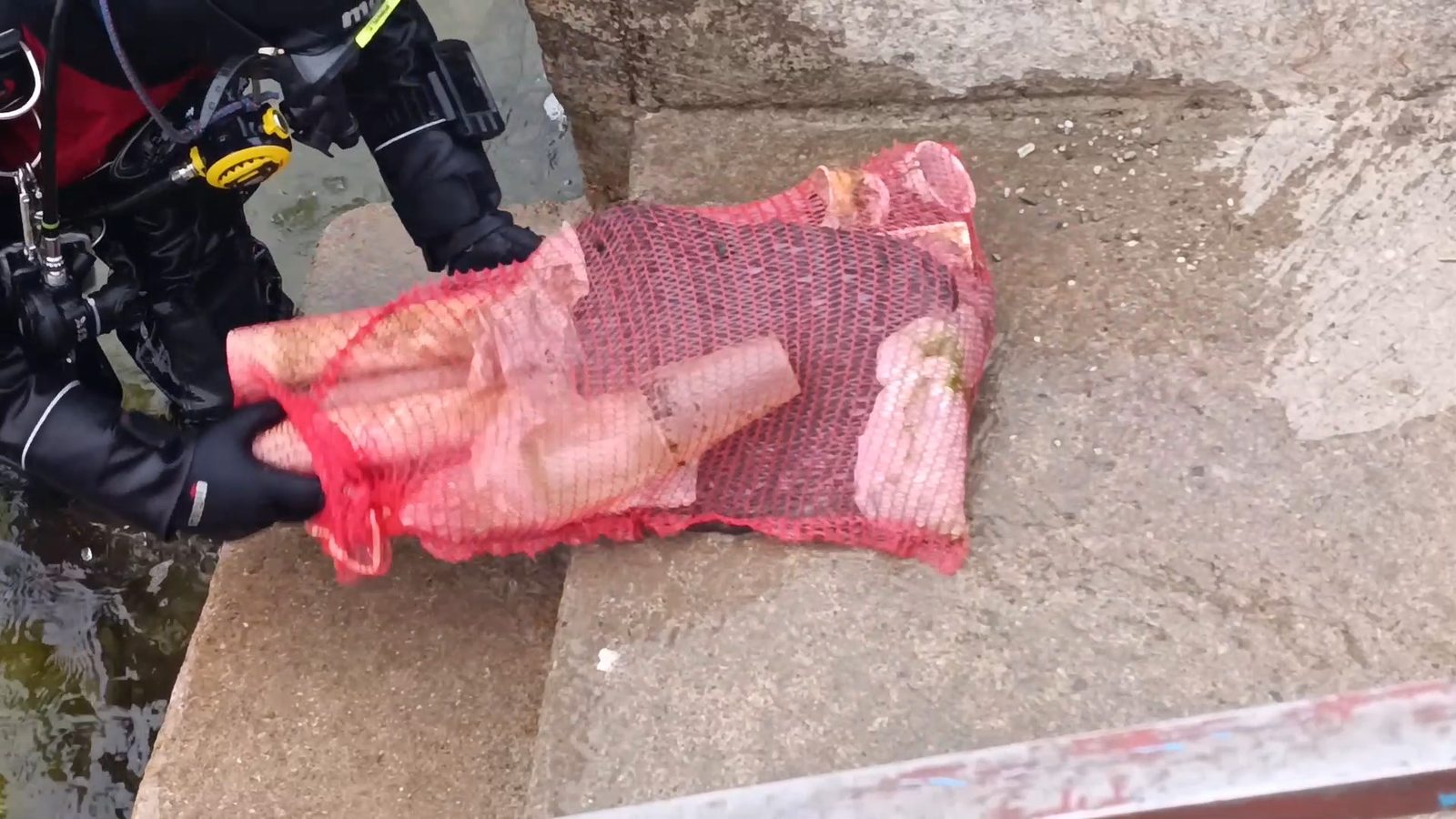
Plastic bottles, discarded car tyres, torn textiles and other solid waste are again accumulating on the bed of Ohrid Lake, threatening habitats and the lake’s biodiversity, local divers and environmental observers report.
Diver Nikola Paskali warns that despite repeated appeals, some residents treat the lake as a garbage bin and awareness remains extremely low. He points to visible piles of mixed waste on the bottom that are harming aquatic life.
Long-term pollution and food-chain risks
An ordinary plastic bottle needs between 450 and 500 years to break down completely, while automobile tyres release heavy metals and microplastic for more than 80 to 100 years. Over time plastic fragments into microplastic and emits toxic chemicals that can enter fish and, ultimately, human food.
Research shows that freshwater lakes today often contain higher concentrations of microplastic per square kilometre than some of the well-known waste accumulations in the oceans. In affected areas, more than 80% of tested freshwater fish already carry synthetic fibres or plastic in their digestive systems.
Through contaminated water and food, the average person ingests about 5 grams of plastic per week — an amount equivalent to the weight of a single credit card. Scientists and local experts say these figures underline a fast-growing public-health and environmental problem.
To avert ecological disaster and raise public awareness, urgent and systemic measures are needed: stricter controls, appropriate fines, and a complete ban on the use of plastics are among the steps being called for by activists and specialists.
Photo: press material from the event