Two-thirds power, less than 5% results: Filipche accused Mickoski of stalling the state and the path to the EU
The leader of SDSM demanded an accounting for the government's program and assessed that the enormous parliamentary majority had not delivered reforms, a better standard of living, or progress in EU integration.
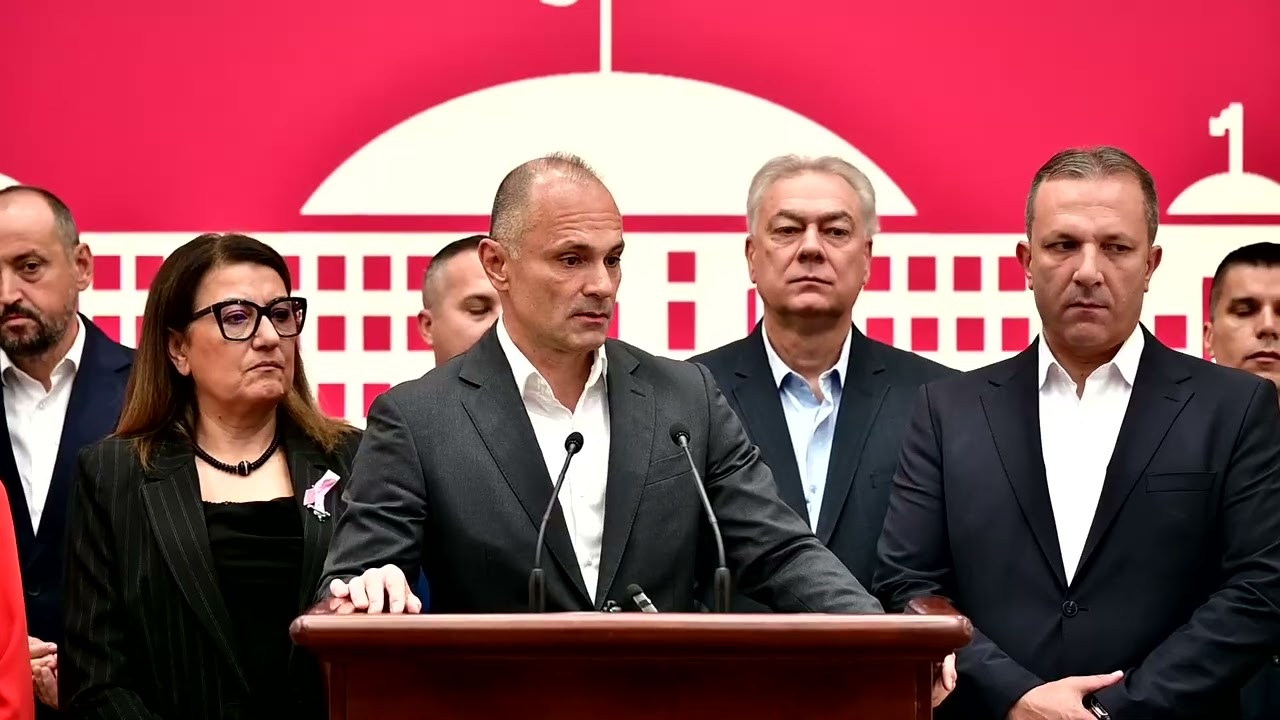
Hristijan Mickoski holds political power that many governments can only dream of — a two-thirds majority in the Assembly. But Venko Filipche claims that precisely that power exposes the government’s greatest weakness: there is no excuse for unfulfilled promises.
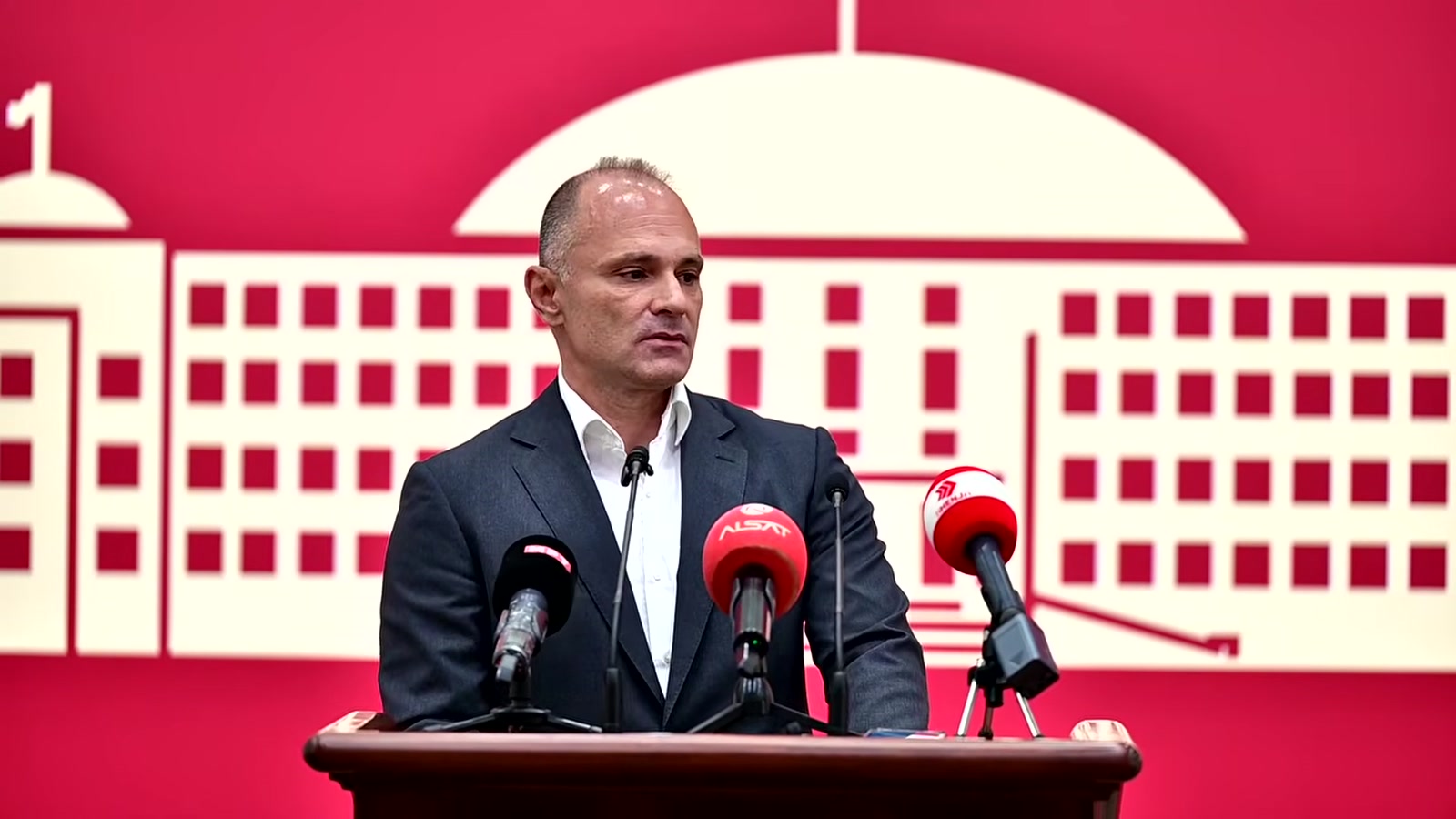
At the press conference, the leader of SDSM asked the public not to be distracted by political maneuvering over early elections, but to pose the basic question: what has the Government delivered with a majority that can independently make major decisions?
“Two-thirds power in the Assembly and the state stands still,” Filipche said, assessing that not even five percent of what was promised in the government program has been realized.
The percentage is a political assessment by the SDSM leader, not an independently completed audit of every program item. But the Government can easily clear up the doubt: publish a publicly available table with all measures, deadlines, budgets, degrees of implementation and verifiable results. With such a majority, responsibility cannot be shifted onto the opposition.
From a big notebook to an empty account
Filipche referred to the program “1198”, with which VMRO-DPMNE presented itself to citizens, and listed demography, education, healthcare and the economy as areas in which, according to him, promises have not turned into results. He again pointed to the figure of 3.000 fewer enrolled first-graders as a warning that emigration and demographic decline have not been prevented.
The opposition’s thesis is harsh: the Government has enough votes to implement reforms, yet the state is taking on debt, living costs are rising, institutions are being partisanized, and the public is given political spectacle instead of an accounting. Filipche accused a single center of power of trying to control the media and the judiciary and of restricting space for opposition speech. Those are serious political accusations that require concrete examples and institutional verification, not automatic acceptance as established facts.
The European path as the costliest blockage
The toughest strategic criticism was directed at EU integration. Filipche said Mickoski himself stopped the path to the European Union and has not given a convincing explanation for the alternative. His message is that Macedonia has no sustainable future outside Europe and that the blockade delays reforms, investments, access to funds and the strengthening of institutions.
The Government claims it is not rejecting membership in the EU, but is asking for better guarantees and protection of national positions before constitutional amendments. The European framework, however, remains clear: opening the next phase of negotiations is conditioned on constitutional changes. The political dispute therefore is not whether there is a condition, but whether those in power have a real plan to overcome it without costing the country more years.
Filipche announced that SDSM is ready for elections whenever they are held and that it would renew negotiations with the EU. But the opposition also has an obligation to show how it would secure broad support, which reforms it would implement first and how it would protect the state’s position.
The essence of the attack remains strong: the two-thirds majority is the greatest political opportunity, but also the biggest test. If after two years citizens do not see reforms, a better standard of living and movement toward the EU, then Mickoski cannot invoke a lack of power. He can only be called to account for how he used it.
Photo: frame from the SDSM press conference