The European Commission does not change rules for stay in the Schengen Area
Spokesperson Markus Lamert confirmed that the 90/180 rule remains, while carriers announce blockades on September 14
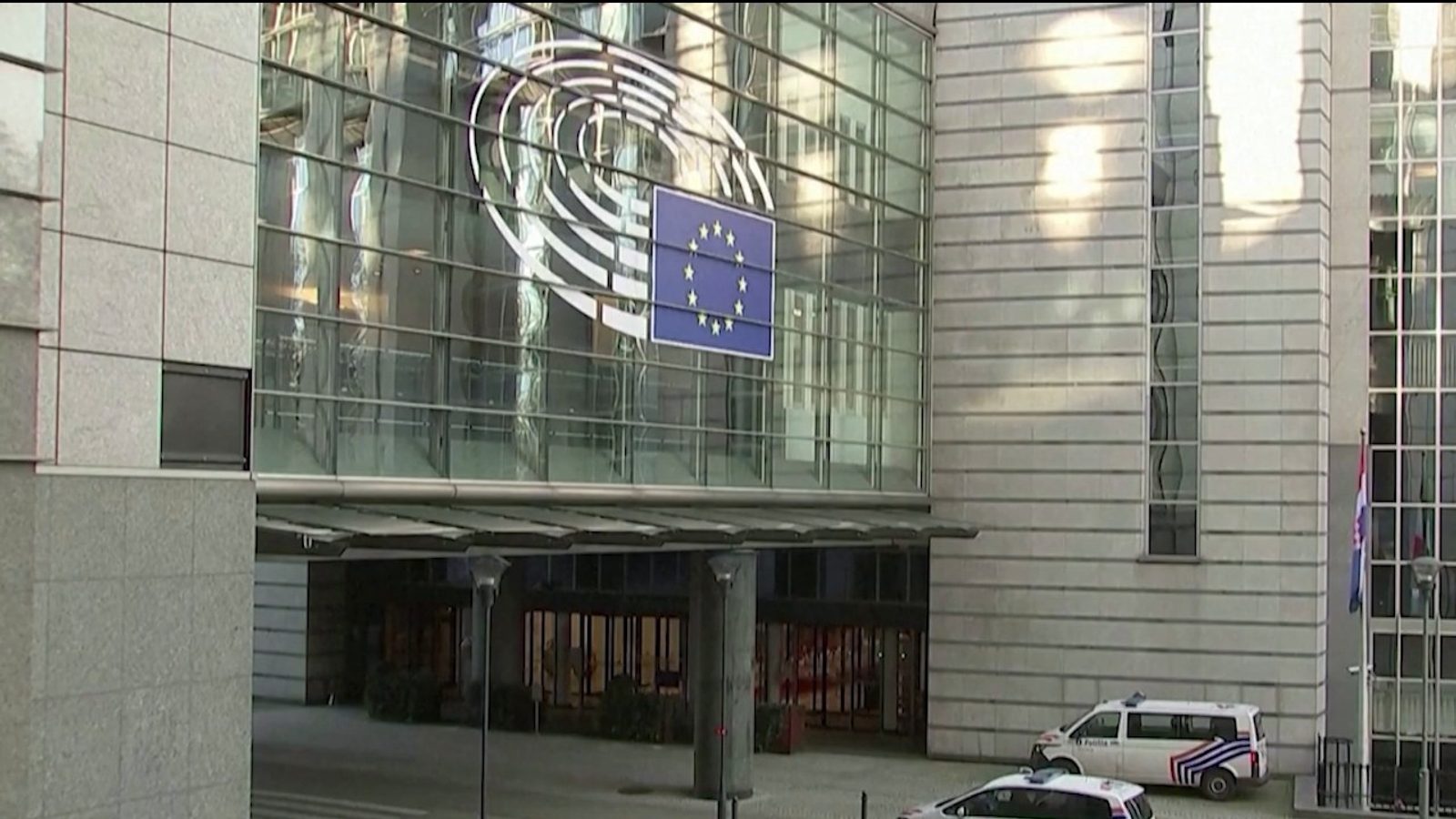
The European Commission remains firm in its policy and does not plan changes to the rules that limit stays in the Schengen Area, leaving uncertainty for Macedonian and regional carriers who are seeking longer rotations in countries within the area.
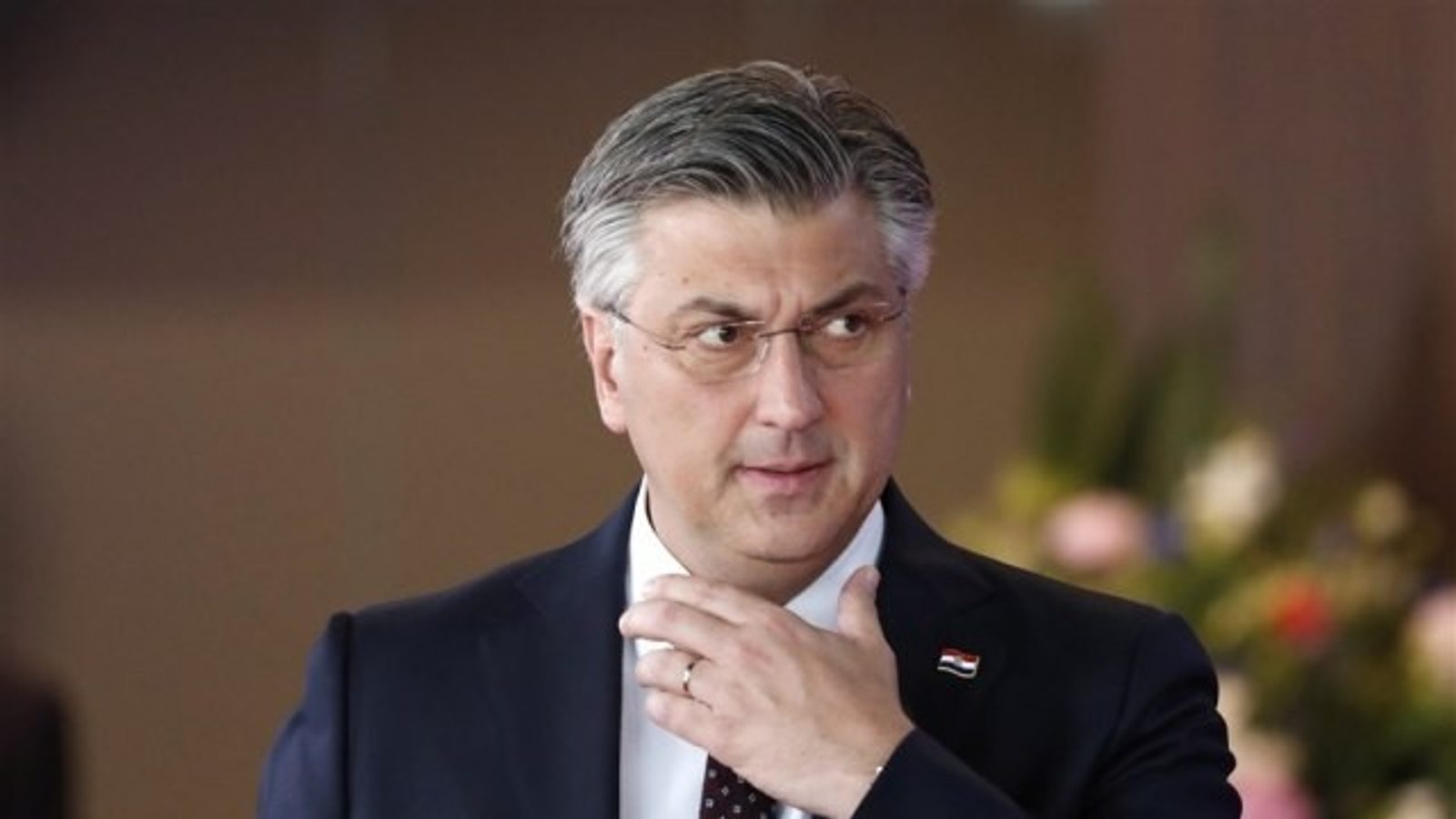
At a regular press conference, spokesperson Markus Lamert emphasized that the institution is aware of the needs of certain experts from third countries, but that the basic rule of 90 days in a period of 180 days remains: "We are aware that for a certain number of experts from third countries who are not cross-border workers, it is necessary to have access to the Schengen Area for more than 90 days in a period of 180 days. This applies to professions that require a high degree of mobility, such as truck drivers, but also athletes and touring artists," he said.
Government reaction and proposed solutions
Transport Minister Aleksandar Nikolovski said that Brussels did not respond negatively and expressed confidence that a practical solution is near. He pointed to two directions he considers feasible: recognizing carriers as professionals in the EU's new visa strategy and bilateral agreements for long-term work visas. "I think that the solution to this issue is in two directions. First, the European Union in its new visa strategy recognized carriers as professionals, and second, that the only solution is bilateral agreements for long-term work visas which we have already concluded and are concluding, and that is the only possible solution," Nikolovski said.
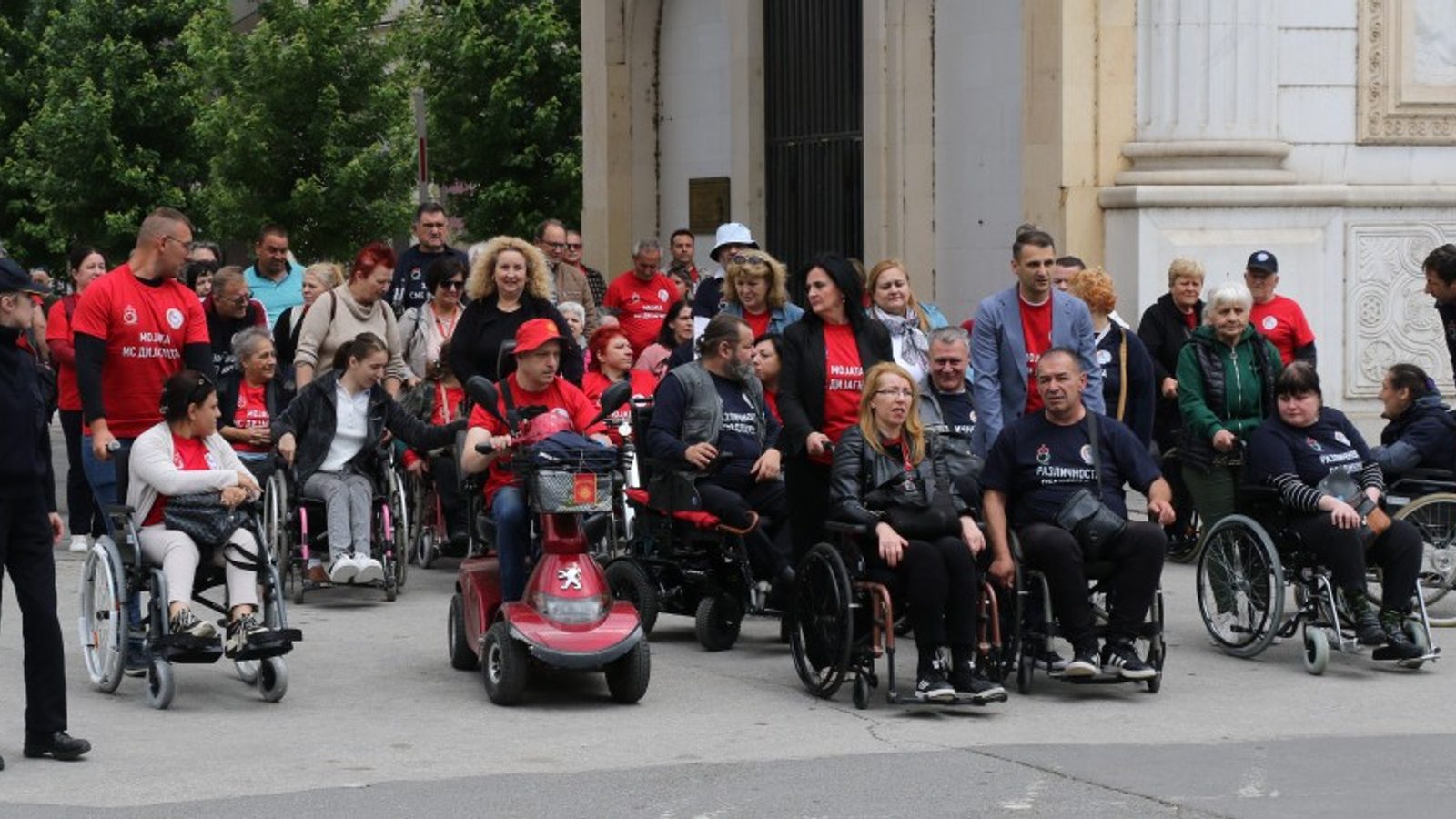
The problem has been troubling carriers for several months. A few days ago they held a warning protest in front of the Delegation of the EU and warned that they will intensify the action — if no solution is found for their stay in Schengen countries, they are prepared to block border crossings on September 14.
Identical protests were also held in front of EU delegation buildings in Sarajevo, Belgrade and Podgorica, indicating that the issue affects carriers across the region.
Meanwhile, the gap remains between Brussels' official position and the practical needs of professions with a high degree of mobility; the Macedonian government continues to seek bilateral solutions while carriers challenge the restrictions through protests and warnings on the ground.
Photo: press material from the event