European Commission: Informal economy and single-bid tenders are long-term obstacles to business in North Macedonia
European Commission flags informal work, single-bid procurements and fiscal risks as persistent barriers to business in North Macedonia.
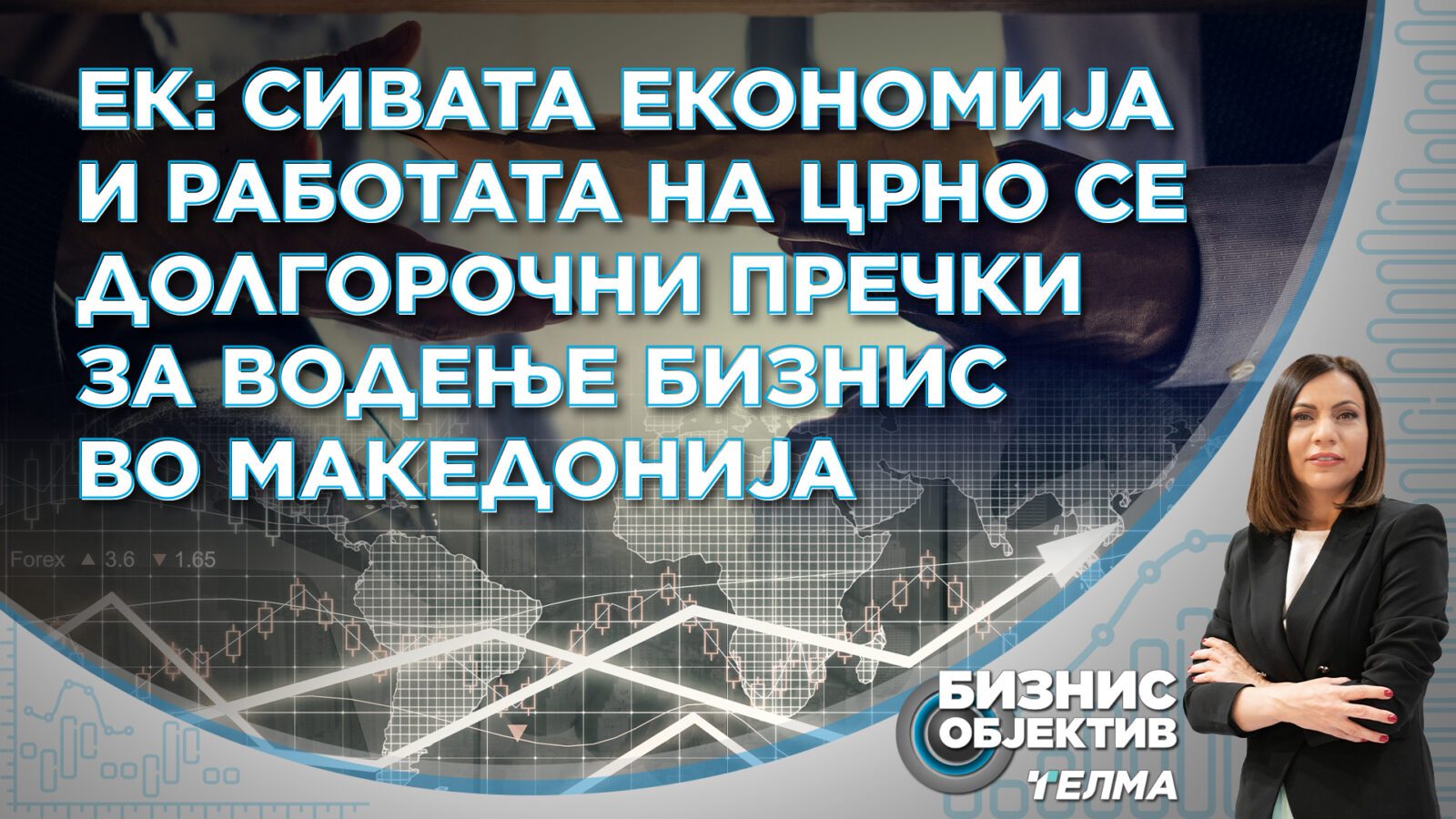
The European Commission warns that several long-standing structural weaknesses are holding back the economy of North Macedonia: the informal economy accounts for about 38 percent of GDP, two thirds of public tenders are awarded with only one bidder, and state-owned enterprises continue to generate fiscal risks.
Key obstacles to investment and competitiveness
In its assessment, the Commission points to incomplete fiscal transparency, delayed reforms and growing inflationary pressures as additional factors that reduce investor confidence and constrain public finances. While unemployment has declined, officials still face a shortage of qualified labour and persistent emigration.
Analysts say the large share of undeclared work and informal activity not only shrinks the tax base but also distorts competition: companies operating inside the formal system must bear higher costs compared with businesses that avoid taxes and regulations.
Another troubling signal is the concentration of procurement: with about two thirds of tenders going to a single bidder, competitive dynamic in public contracts is weak, which can inflate prices and deter new market entrants.
Public enterprises are highlighted as a recurring source of fiscal vulnerability. Without stronger governance and clearer reporting, these firms may require additional state support that would widen budgetary risks.
Policymakers, business groups and international partners face a common challenge: accelerate structural reforms, strengthen fiscal transparency and improve labour market skills to make growth more sustainable and attractive to investors.
Photo: press material from the event