Filipche warns about the second pension pillar: who will bear the risk for Chebren?
The director of PIOM proposed considering investments by private pension funds in state projects. Filipche demands that personal savings not be jeopardized.
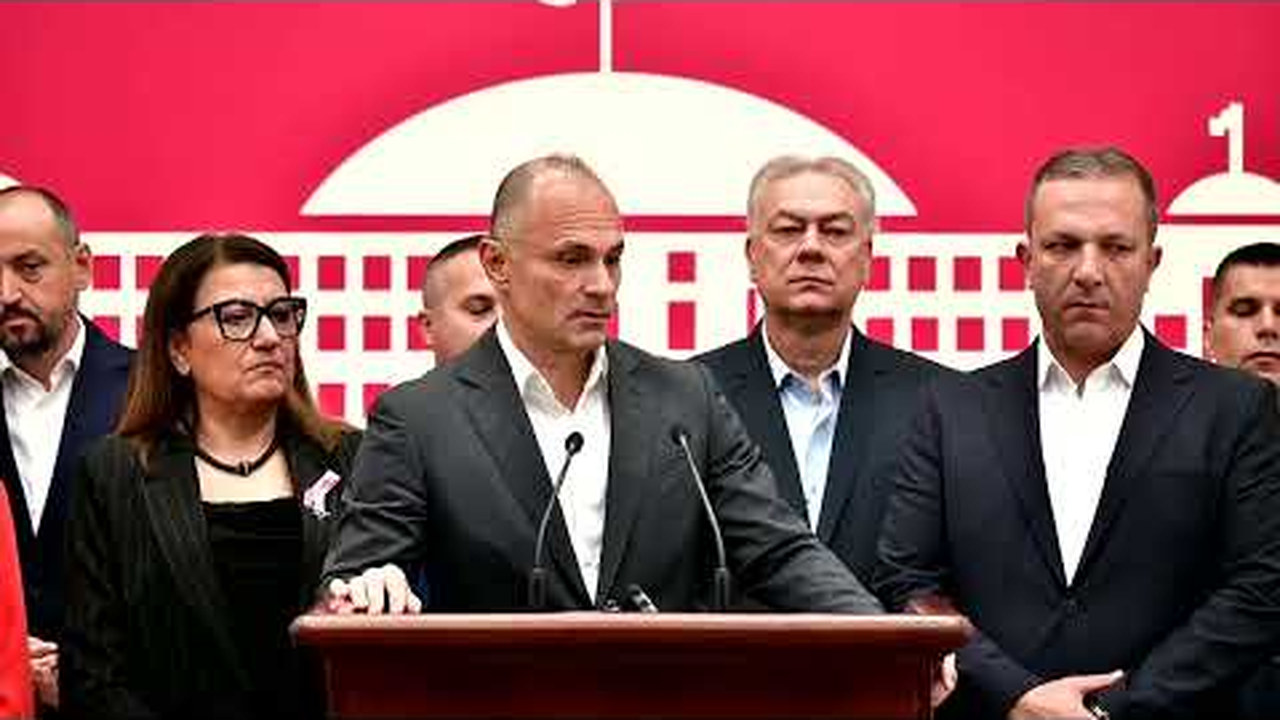
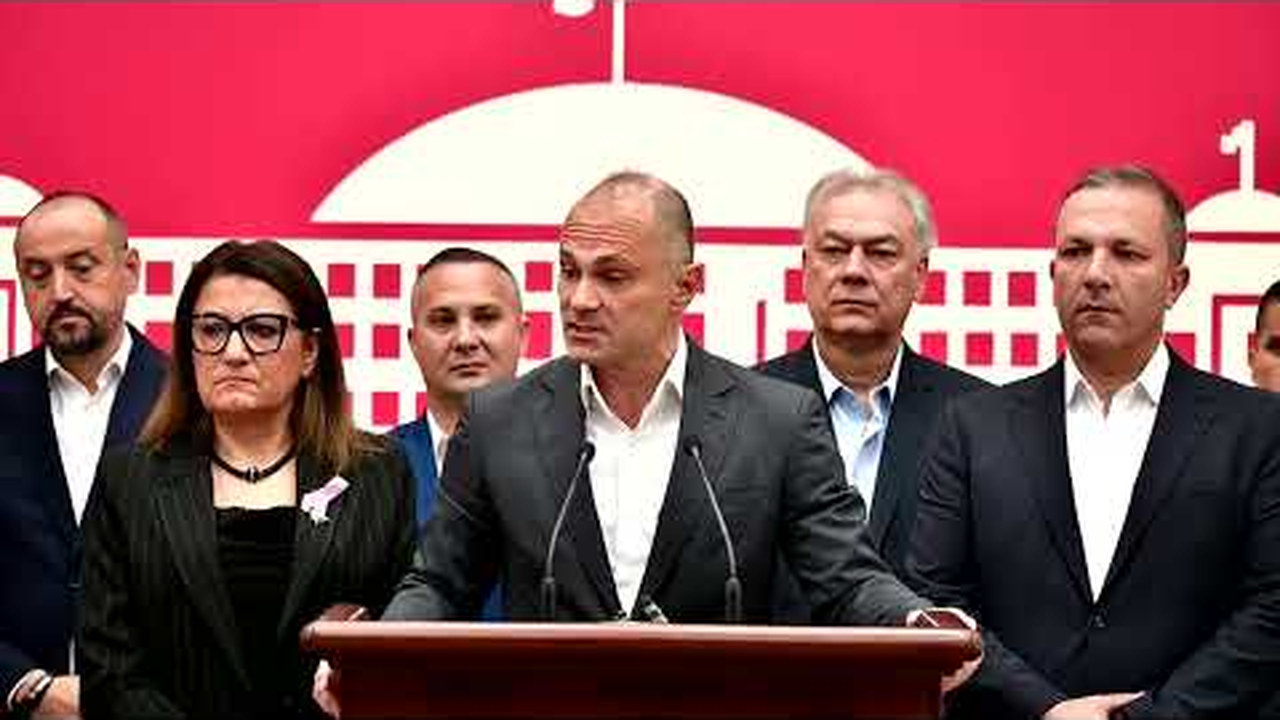
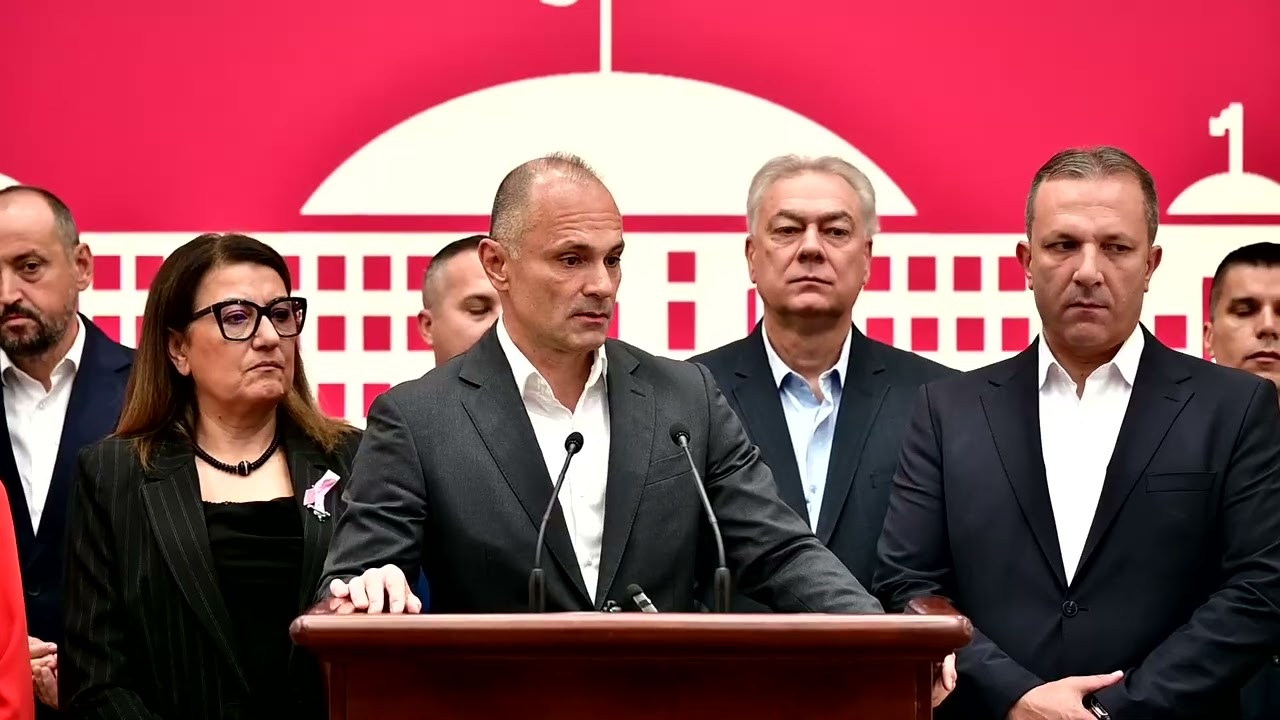
Will savers in the second pension pillar carry the risk of state mega-projects, or will the state impose firm safeguards before exposing their long-term savings to project risk? After opposition leader Venko Filipche’s press conference in the Assembly on October 1, the debate became a matter of public scrutiny, not only technical rules.
What is actually being proposed, and what is the law today
PIOM director Nikola Memov on September 28 told Telma television about an idea for legal amendments that would allow private managers of mandatory pension funds (the second pillar) to invest part of the assets in domestic capital projects—explicitly mentioning the hydropower Chebren and Galiste. This is a proposal, not an adopted law, and does not imply an automatic withdrawal of funds from savers’ individual accounts. Memov said there would be risk-based profiles, MAPAS supervision, and a diversification and higher return target. He also gave indicative figures: about 640,000 insured persons and more than EUR 300 million that, according to him, flow into the second pillar. He did not present draft legislation or a binding investment decision.
The pension regulator MAPAS, in a statement to Deutsche Welle in June, emphasized that the assets of mandatory private pension funds are continuously growing and that long-term returns are within expectations. These assets are the property of individual insured persons and are separated from the first pillar (PIOM), which is funded by current contributions and budgetary support for payment of today’s pensions.
Filipche’s warning and the government’s counter-position
At the press conference Filipche warned the government not to reach for second-pillar money and assessed that investments in domestic projects could expose savers to risk. That is his warning, not evidence that any savings have already been used. His thesis touches the basic risk-management question: who will ultimately be responsible if the project math fails?
Director Memov’s answer is that current pensions are not at risk, and expanding permitted investments could bring diversification and higher returns under MAPAS supervision. His rationale is an argument for consideration, not proof that any particular project would be secure and profitable. That places the burden on the quality of regulatory design—how much allocation freedom funds will have, in which instruments, and with what limits and benchmarks.
Narrow facts for broad figures: transfers, deficits and perceptions
The opposition claims that budget transfers to the pension system are increasing and that the fiscal burden is expanding. Filipche alludes to a growing "deficit," asking that it not be covered with risky investments. Memov retorted that the annual transfer in 2026 of about 64 billion denars is not a pure pension deficit but an aggregate that also includes health and so-called transition costs (from the introduction of the second pillar). This points to a frequent methodological shortcut in public debate: one thing is PIOM’s net deficit, another is the broader transfer that houses a range of policies and obligations. It is a fact that the first pillar serves to pay today’s pensions, while the second pillar—individual accounts—should secure future pensions. Mixing the two strands leads to incorrect conclusions and imprecise insinuations about “covering” with other people’s money.
In this context, investing part of the second pillar in state capital projects is neither inherently dangerous nor automatically a solution: it depends on the risk profile, transparency, independent assessments and who and how guarantees returns—if returns are guaranteed at all. MAPAS states that assets are growing and that long-term returns are within expectations; the question is whether specific projects like Chebren would be classical market investments or de facto public policies disguised as portfolio assets.
What must be public before a law is written
The positions differ sharply in tone, but both sides owe specifics. If the government is truly considering amendments, the public should first see the draft version. It is also crucial to say whether fund participation would be strictly optional and under what limits due to concentration risk; which international standards for risk assessment and valuation would apply; who would provide independent assessments and how conflicts of interest would be avoided when the state is both initiator and end beneficiary of the investment. And most importantly: will there be a clear mechanism to limit losses on individual accounts and who would bear the burden if the project halts or is delayed.
While MAPAS assures that second-pillar performance is within expectations, the political ball is with the Mickoski government and with PIOM: will they offer a regulatory design that does not turn personal pension savings into adventurous capital, or will the debate remain at the level of assurances? Answers must be documented, measurable and verifiable.
The public response must be clear: is there a concrete draft law, who will decide on each investment, would the individual saver have a choice, and what will happen to their account if a project suffers a loss?
Sources and context: SDSM (press conference); Telma (Memov’s proposal); 4News (budget-transfer explanation); Deutsche Welle (MAPAS position).
Photo: frame from the SDSM press conference