Filipche challenges Mickoski: four countries in EU roadmap plans, North Macedonia left out for now
European Commission is reviewing draft roadmaps for four candidates, does not guarantee membership by 2030. Opposition demands a plan ahead of von der Leyen's planned visit.
Ahead of the expected visit by European Commission President Ursula von der Leyen, the opposition has raised questions about missed opportunities: four candidate countries are in draft roadmaps for phased rapprochement, while North Macedonia is not. Does the government of Hristijan Mickoski have a plan to bring the country into the next phase of EU accession, and with which specific measures and deadlines?
What actually exists: a draft, not a guarantee
On 27 September, according to reporting by Politico, the European Commission is reviewing draft roadmaps for Montenegro, Albania, Ukraine and Moldova. According to information from two Commission officials published in the outlet, this implies that North Macedonia "at this moment" is not among the countries for which such an instrument is being prepared. These drafts are not adopted, do not grant automatic membership, do not set a 2030 membership deadline and do not constitute legally binding guarantees — they are working proposals dependent on reform progress and political agreement within the EU.
At the same time, the European Commission's official pages confirm facts that should not be ignored: North Macedonia remains a candidate country, it held an Intergovernmental Conference in July 2022, completed the screening process in December 2023 and is already receiving funds from the Plan for Growth. The main political condition before opening the first cluster — the constitutional amendments foreseen in the 2022 negotiating framework — remains on the table and the next step in the talks depends on it.
Opposition alarm and warning about missed opportunities
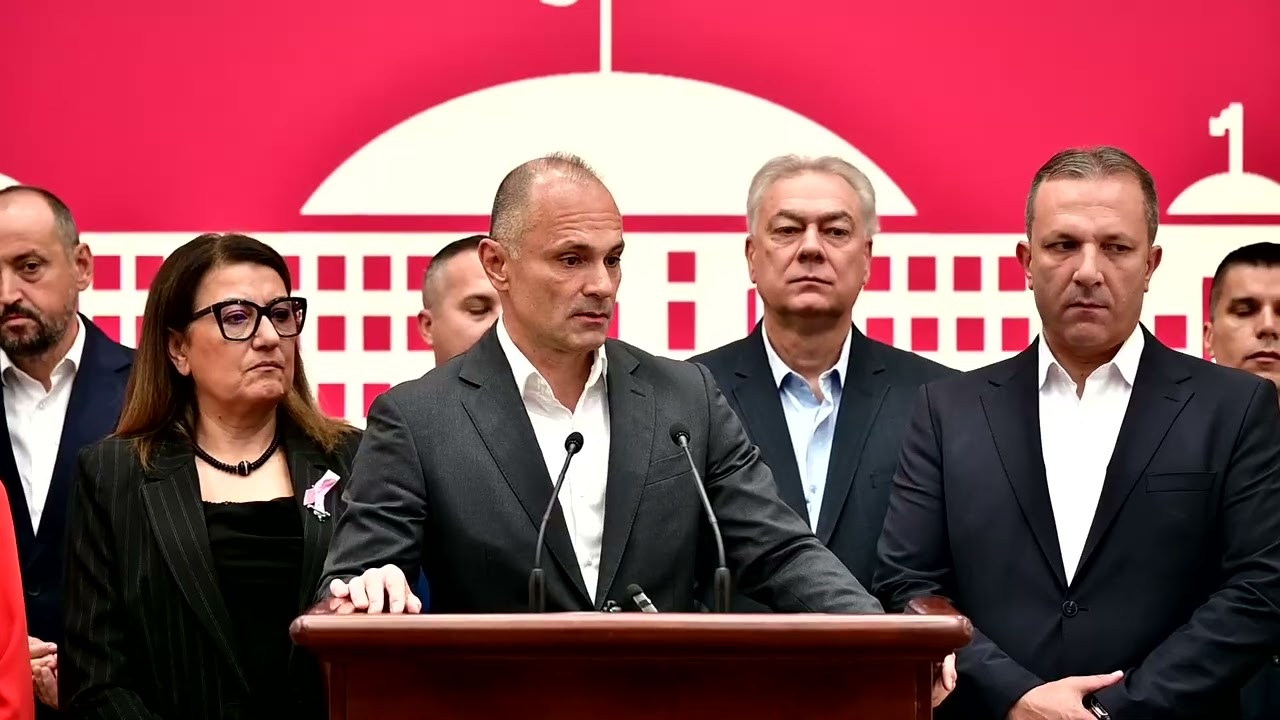
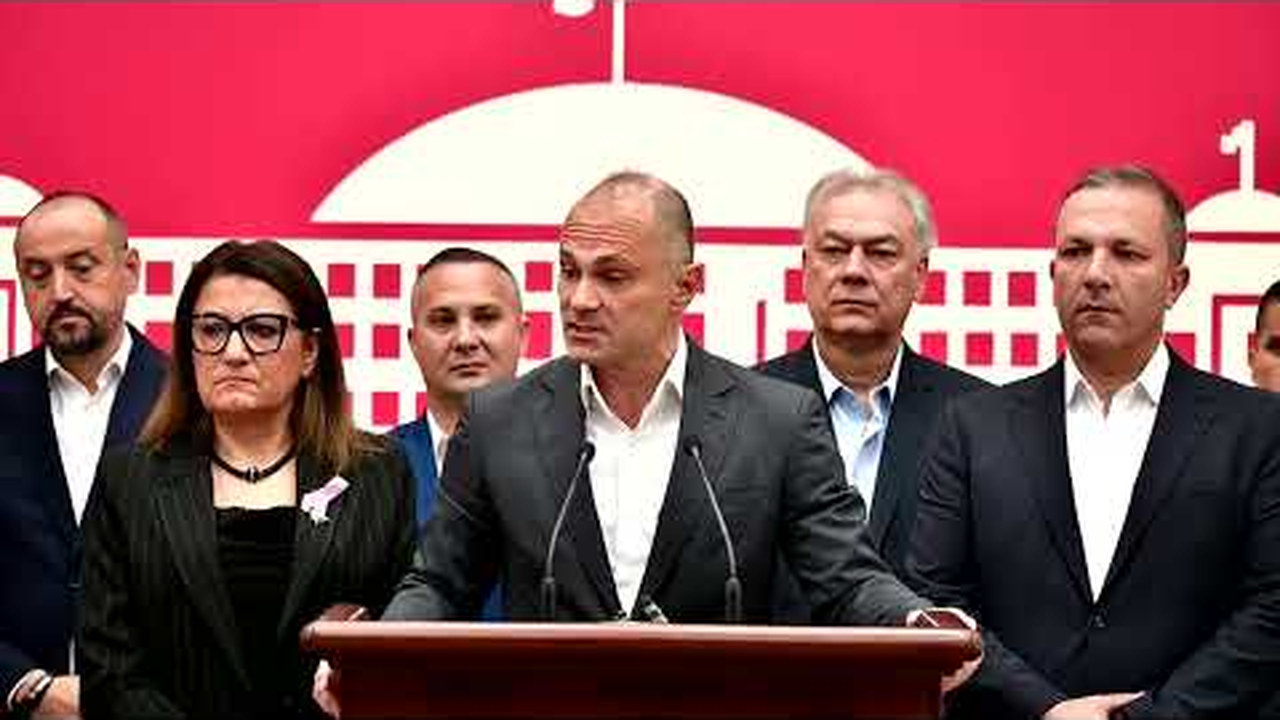
The leader of the Social Democratic Union of Macedonia (SDSM), Venko Filipche, at a press conference in the Assembly on 1 October focused his criticism on, as he said, North Macedonia's absence from the proposed roadmaps. His point is political and time-sensitive: if the government does not deliver a solution before von der Leyen's visit, it risks freezing the momentum of integration. In a party statement he briefly said: "We are not there." Journalistic verification shows these are proposals in preparation, not an adopted list with a guaranteed outcome.
Filipche additionally predicts that prolonging the process will affect living standards and spur emigration. That thesis is a political assessment — it is not proven as a causal link — but it raises the essential dilemma: what is the cost of delay when neighboring countries receive structured pathways for earlier access to funds, common markets and political forums?
What the Government says: strategic goal, but no constitutional amendments in current form
Prime Minister Hristijan Mickoski and the Government publicly emphasize that EU membership remains a strategic goal and that the reform agenda continues. Their position, according to statements so far, is to achieve a "durable agreement" with the EU and Bulgaria that will provide a clear path to full membership, while they reject the version of constitutional amendments in the currently demanded form without additional guarantees.
This is a legitimate political stance, but it raises operational questions. If the constitutional amendments in the proposed format are unacceptable, what is the alternative that would convince the Commission and member states to open the first cluster? Is there a draft agreement, a mediating formula, or temporal conditionality with precise markers that would protect North Macedonia's position yet unblock the negotiations?
The key question before the visit: plan, deadlines and measurable results
In this week of diplomatic sensitivity, the debate is not about symbolic headlines but about verifiable results. The Government owes clear answers: which plan it proposes to the Commission; which reforms and when it will fulfill them; what specifically it asks from Sofia and Brussels to overcome the stalemate?
Brussels is sending a dual message so far: candidate status is stable, support through the Plan for Growth is flowing, but the constitutional condition remains at the door of the first cluster. In that context, omission from the draft roadmaps is not an irreversible expulsion from the European train — but a warning that the train leaves on schedule, and the schedule is shaped by reforms and political courage.
The reality is uncomfortable but clear: draft documents in Brussels guarantee nothing, but they signal priorities. If the Government wants North Macedonia to be in the next round, measurable results are needed, not just rhetoric. Ahead of von der Leyen's visit, public interest demands an account: a plan on the table, deadlines on the calendar, and diplomatic results that can be checked — day by day.
Sources and context: SDSM (press conference); Politico (draft roadmaps); European Commission (accession status); Deutsche Welle (Mickoski’s position).
Photo: frame from the SDSM press conference