Filipche on Mickoski: “Can this man really be such a complete idiot?”
Sharp rhetoric in Parliament opened debate on the “Iceland analogy” and on which concrete instruments for market integration and accession the Government seeks — and what the opposition offers as a feasible constitutional fix.
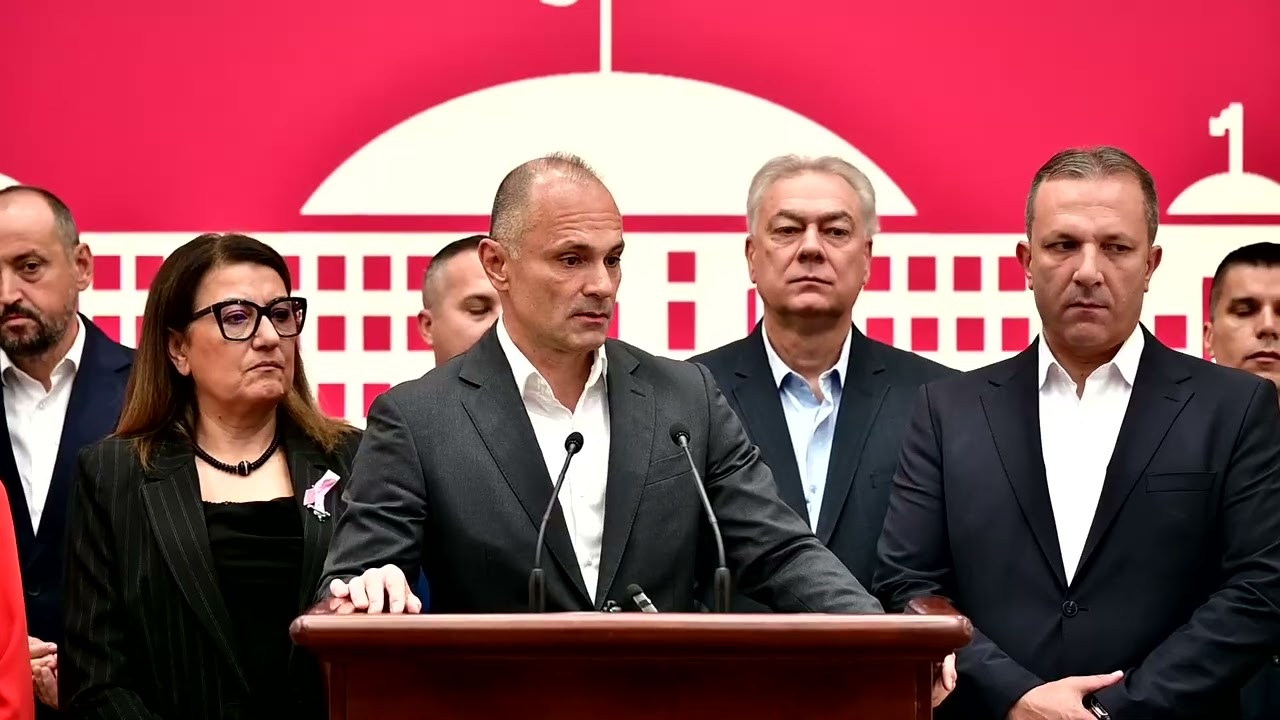
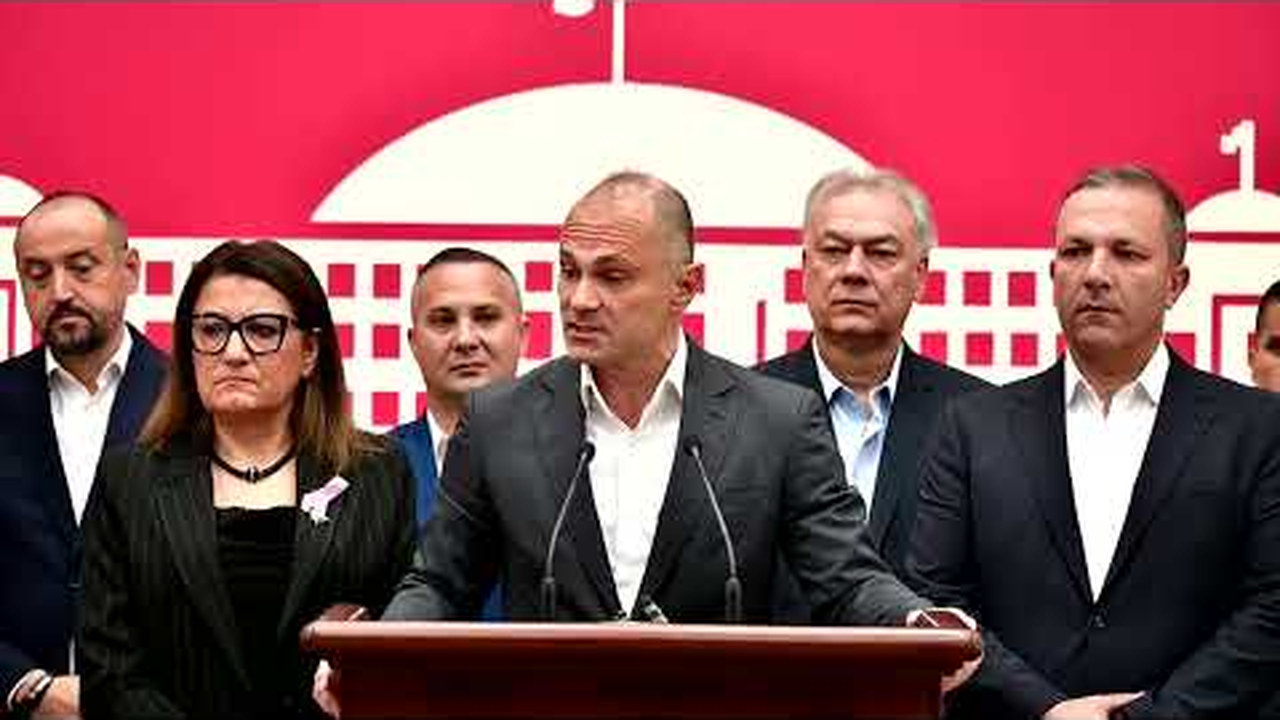
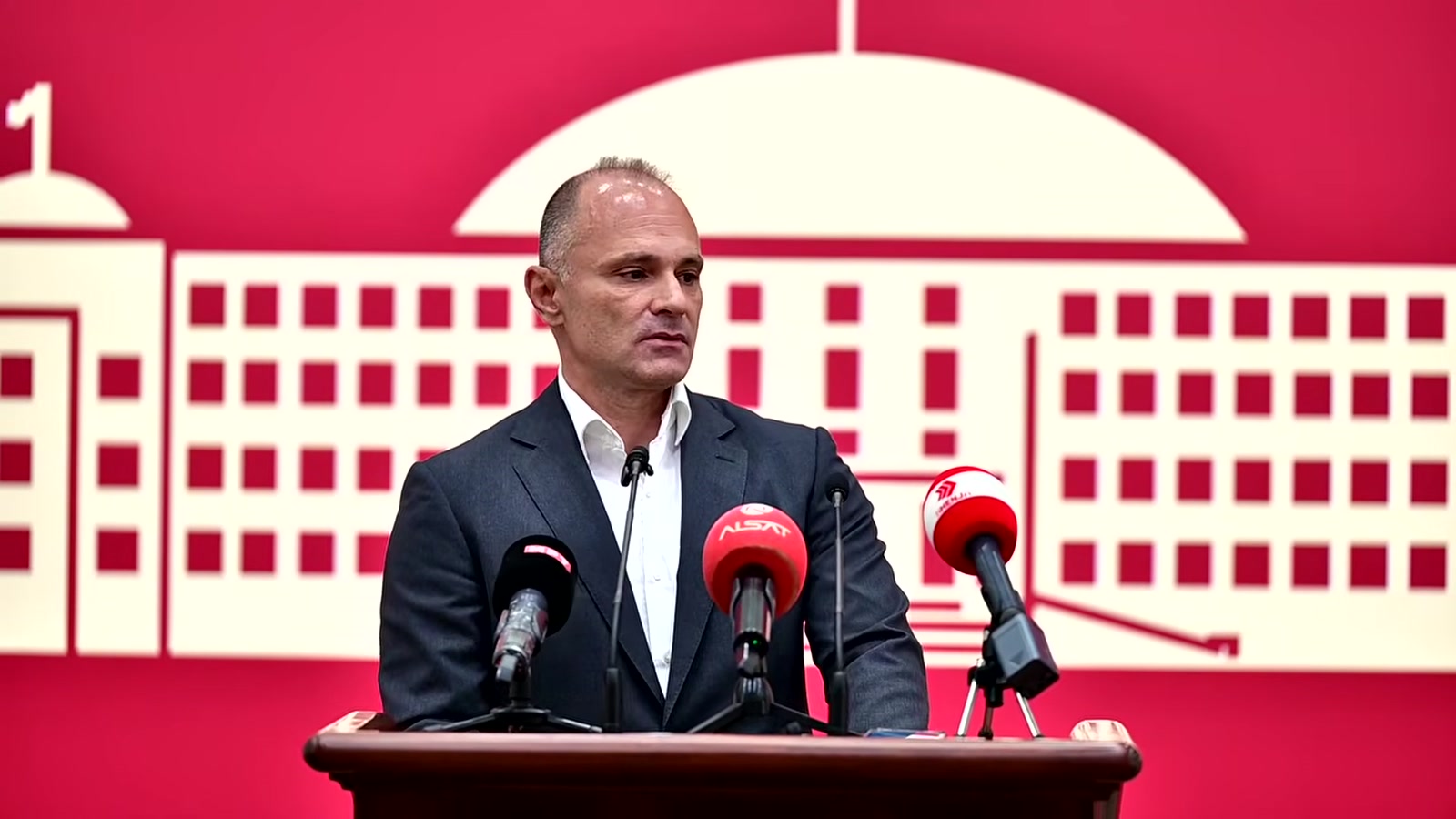
With rhetoric edging the bounds of political decency, MP Venko Filipche at a press conference in Parliament on 1 October provoked Prime Minister Hristijan Mickoski: “Can this man really be such a complete idiot? To isolate us completely?” This is an insult uttered by Filipche, not a factual assessment by our editorial team. But precisely because of the weight of the word, it is worth examining the substance of the dispute: the controversial “Iceland” comparison and what it realistically says — and does not say — about North Macedonia’s path to Europe.
Rhetoric and limits: what the insult leaves behind, and what politics demands
Coarse language does not substitute for a plan. At present there is no official response from the Government specifically addressing the insult. Publicly, Mickoski has repeatedly asserted that the country remains committed to EU integration and is seeking an exit from the stalemate and protection from repeated bilateral conditioning, according to his address on 21 September at the Concordia summit in New York, reported by European Western Balkans. That is a political position, but it is not a technical roadmap of steps — nor an answer to which instruments will be sought and on what timelines.
The Iceland analogy: what it shows, and what it does not
Filipche said Mickoski invoked Iceland as an example of an alternative trajectory outside the EU. The facts about Iceland are as follows: the country is not an EU member, but it is in the European Economic Area (EEA) through EFTA and participates in the EU Single Market. On 29 August 2026, according to Reuters, an Icelandic referendum rejected reopening membership negotiations (52.8% against 47.2%).
These facts imply two key things. First, Iceland’s approach is not “isolation” but deep market integration via the EEA, accepting much EU law without full voting rights in Brussels. Second, North Macedonia today is an EU candidate but not an EEA member; therefore the Iceland model is not a simple substitute for our present trajectory. To make the analogy relevant, one must answer: does the country actually want, can it, and does it have a route to join the EEA through EFTA, and at what political and legal costs?
Political content behind the dispute: outstanding questions
Election and post-election rhetoric often mention “roadmaps” and “alternatives,” but draft roadmaps under discussion are not adopted and do not guarantee membership. The question of a real alternative requires specificity: is the Government seeking a specific instrument for market integration (EEA accession via EFTA, strengthened sectoral agreements, or faster opening of negotiating clusters with clear benchmarks)? What guarantees against bilateral blockages are being sought and how would they be secured in talks with European partners?
On the other hand, the insult offers no answer to the constitutional question. If the opposition believes the current format leads to a dead end, what is its feasible constitutional solution that would unblock negotiations without creating new identity risk and with sufficient parliamentary support?
Politics instead of epithets
The Social Democratic Union of Macedonia (SDSM) in its initial framing casts the dispute as a warning about the possibility of isolation, but the public is entitled to more than framing. Insults create noise, not answers. If Iceland is invoked, then the comparison must be precise: EEA participation without membership, accepting rules without votes, and stable but asymmetric access to the market. That is a choice with costs — political and legal — and is not automatically open to Skopje.
Conclusion and public questions: Exactly which instrument for integration/accession will the Government seek — EEA via EFTA, reinforced sectoral agreements, or negotiating clusters with defined timelines — with what guarantees against blockages and in what timelines? And for the opposition: what is its concrete and feasible constitutional solution that ensures progress without identity concessions and with the necessary majority?
Sources and context: SDSM (press conference); Reuters (Iceland referendum); EFTA (EEA status); European Western Balkans (Mickoski’s position).
Photo: frame from the SDSM press conference