HERA urges return of sexual and reproductive health content to curriculum
The NGO says renaming the elective to "Health and Protection of Health" has removed or watered down material on gender, contraception and sexual health.
HERA — Association for Health Education and Research has called on North Macedonia’s Ministry of Education and Science and the Bureau for Development of Education to restore explicit sexual and reproductive health topics to the revised high‑school curriculum, after the subject was renamed "Health and Protection of Health".
Organisation says changes dilute essential material
The organisation argues that renaming the elective and removing or watering down content on gender equality, contraception and sexual and reproductive health is more than a terminological change: it is a decision that may directly affect young people’s knowledge and safety. "What does this mean in everyday life? It means that a girl who faces control, pressure or violence in a relationship may find it harder to recognize that such behavior is neither normal nor acceptable. That a boy raised with messages that he must be dominant and aggressive does not have enough opportunities to critically question those expectations. That young people who have questions about contraception and sexual health risk looking for answers on the internet, among misinformation and unverified advice," HERA warned.
HERA says the reduction of prevention content denies adolescents timely learning on how to identify abuse, set personal boundaries, protect themselves from unintended pregnancy and sexually transmitted infections, and seek help. The organisation emphasises that curricula should be decided by competent institutions "on the basis of scientific evidence, pedagogical expertise, public health and the best interests of the child, and not under pressure from religious or ideological groups."
As evidence of need, HERA cites survey data showing that 10 percent of children aged 12 to 17 in North Macedonia — nearly 12,000 young people — were exposed to sexual exploitation and abuse using technology within one year. The organisation adds that 8 percent were shown sexual images, 5 percent received unwanted requests for intimate photos or videos, 4 percent were blackmailed with threats to distribute their content, and in 3 percent such materials had already been shared without consent. In 78 percent of cases the perpetrator was someone the child knows, and 52 percent of exploitation happened via social networks. Only 19 percent of surveyed children said they had received any form of sexual education.
HERA also notes that 588 babies were born in 2024 to mothers aged 15–19. The organisation recalls guidance from WHO and UNESCO that age‑appropriate, high‑quality sexual education helps young people make informed choices, build healthy relationships and reduce risks of sexual violence, unintended pregnancy and sexually transmitted infections.
HERA asks the Ministry and the Bureau to publicly explain the expert analyses and recommendations that led to the revisions and to open a transparent review process involving education, health, psychology and gender‑studies specialists. "Children have the right to knowledge, not to a censored reality. They have the right to protection, not to the silencing of the risks they face," the organisation said.
The Institute for Gender Studies at the Faculty of Philosophy, Ss. Cyril and Methodius University in Skopje separately requested that the term "gender" be returned to the programme for gymnasia and that related concepts — "gender equality", "gender roles", "gender stereotypes" and "gender‑based violence" — be re‑inserted and defined in the introductory section. The Institute welcomed content on healthy and safe relationships, reproductive health, consent and sexual violence, but argued that the first topic, previously titled to include gender and gender equality, is now called simply "Equality", which weakens the conceptual clarity.
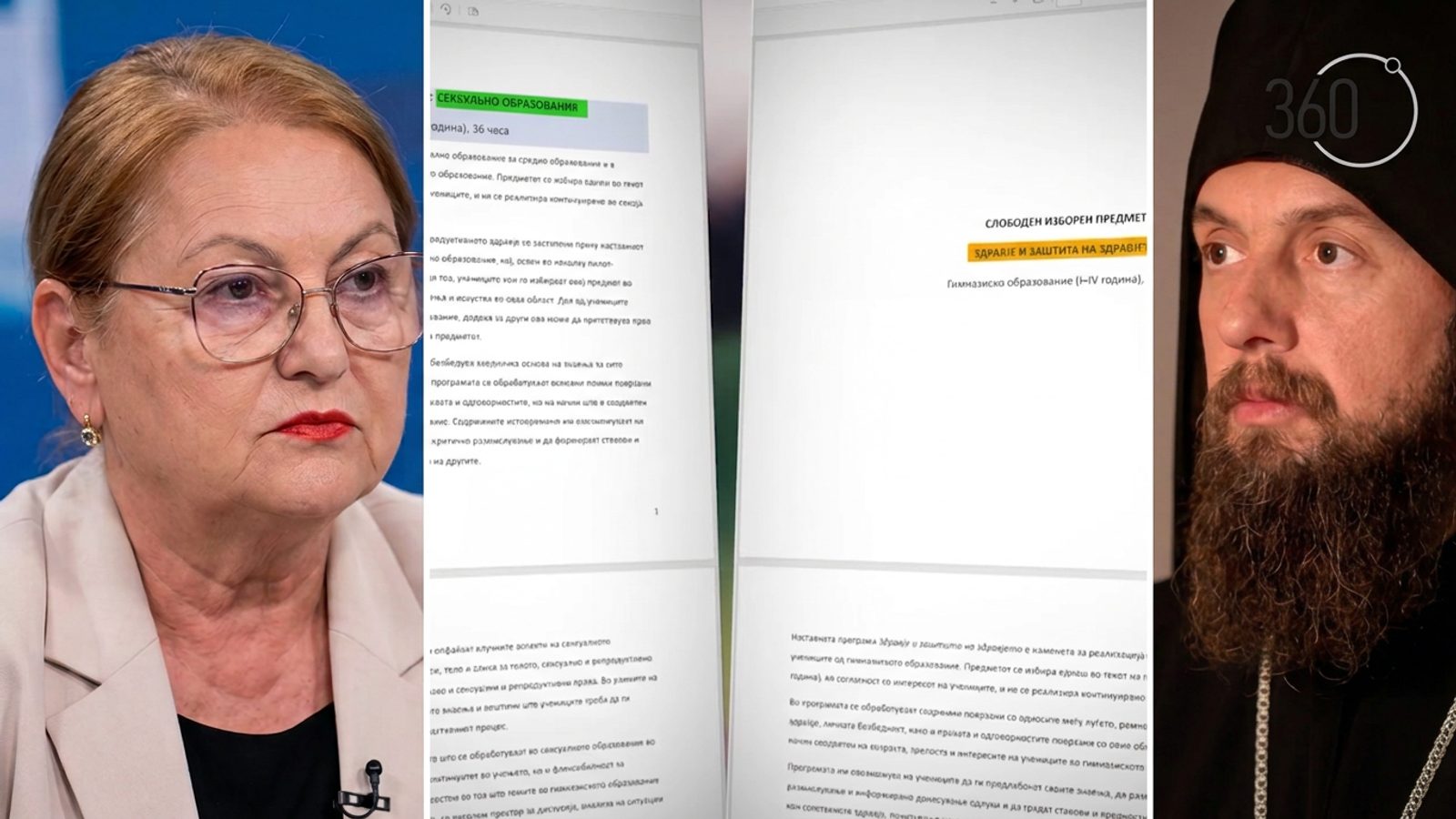
The ministry pulled the previous comprehensive sexual education programme in early September after Bishop Jakov Stobiski published an open letter accusing Minister Vesna Janevska of defending what he called "gender ideology". After the withdrawal, Minister Janevska said she had read the programme and found nothing controversial. The Ministry has said it considered public and expert remarks, including from representatives of the Chamber of Psychologists, and denied that the changes were made under pressure from a religious community.
Photo: press material from the event