Rapid oral-fluid drug tests arrive for traffic police — experts caution they are screening tools
Police will use 10,000 oral-fluid screening kits on suspected impaired drivers; experts warn the tests are preliminary and require strict protocols.
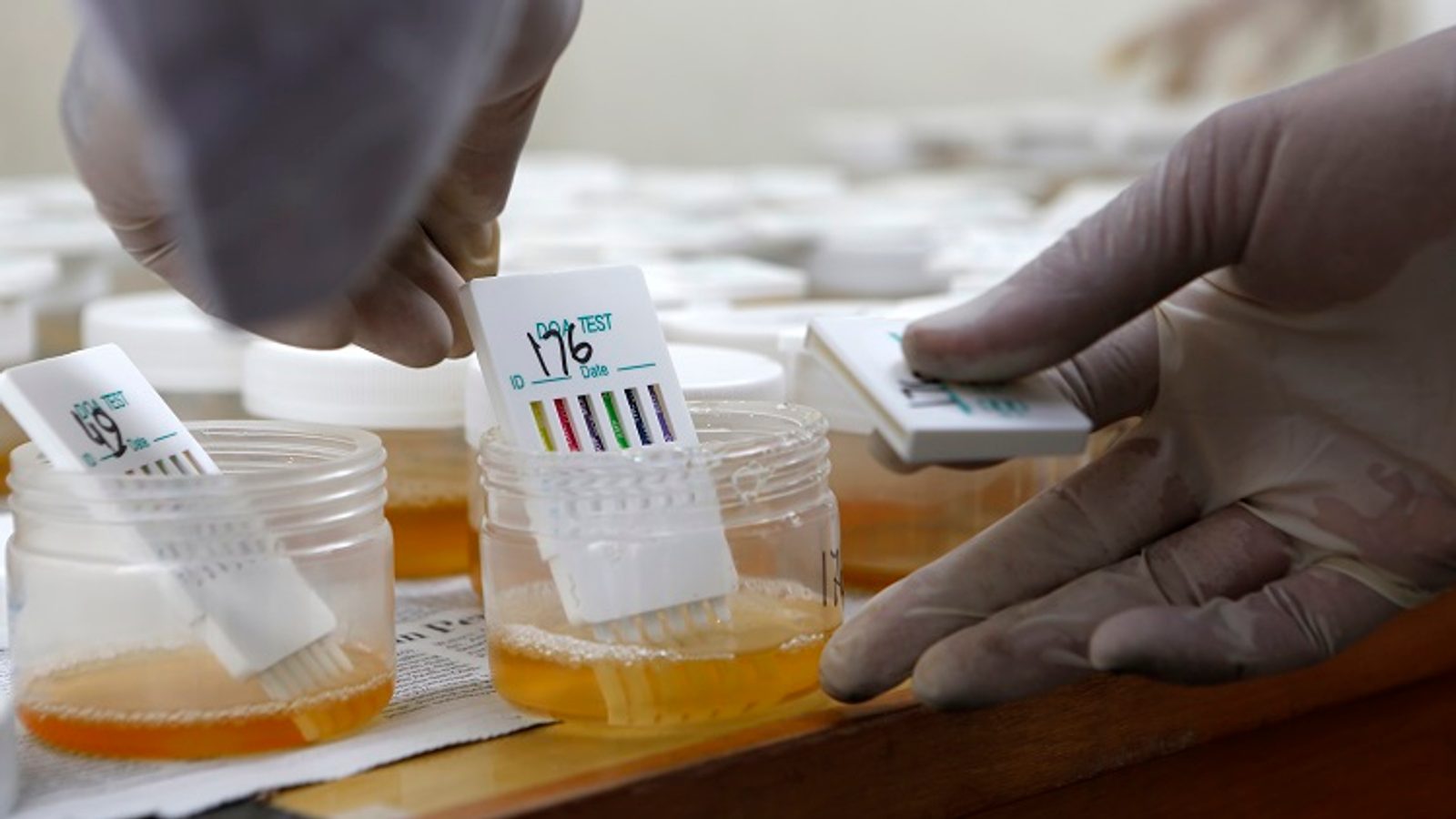
The Ministry of Internal Affairs has ordered 10,000 single-use oral fluid drug screening kits that the traffic police will use on drivers they suspect may be under the influence of psychoactive substances. Each kit costs 218 denars under a two-year framework agreement with the company Viziomed GBG, whose ceiling value is set at 80,000 euros.
What the rapid oral-fluid tests can — and cannot — tell police
According to the technical specifications, the on-site kits deliver a result within three to ten minutes and include seven panels: THC, cocaine, amphetamine, methamphetamine, opiates, benzodiazepines and MDMA. Toxicologists stress these are screening tools, not definitive laboratory analyses, and therefore sampling procedures, officer training and post-positive protocols need to be clearly regulated.
Associate Professor Dr. Zoran Zhivic, specialist in toxicological chemistry at the Institute of Applied Biochemistry, Faculty of Pharmacy in Skopje, says the tests indicate whether a drug or one of its metabolites is present above a pre-set detection threshold but they do not measure exact concentration. "A positive result indicates the presence of a given substance above the established analytical cut-off in the tested sample, but it does not determine the exact concentration, time of use, ingested dose, the degree of pharmacological effect or the level of possible impairment of psychophysical abilities. The concentration of substances in saliva does not always directly correlate with their concentration in blood or with their effect on the central nervous system," Zhivic explains.
He adds that cut-off values are analytical, not clinical, criteria and therefore do not by themselves prove a driver was unfit to drive at the time of testing. "Cut-off values are analytical, not clinical criteria. They do not provide information about the degree of effect of the substance, the time of its use or the psychophysical ability of the person at the moment of testing," Zhivic points out.
The test panels have specific cut-offs: 15 ng/mL for THC, 20 ng/mL for cocaine, 50 ng/mL for amphetamine and methamphetamine, 10 ng/mL for opiates and benzodiazepines, and 50 ng/mL for MDMA. A concentration below the threshold will yield a negative result, while an equal or higher concentration will be reported as positive — but that boundary is not a legal measure of driving ability.
Drugs legally prescribed by doctors can trigger a positive result: medications such as codeine, morphine or diazepam may be correctly detected under the opiate or benzodiazepine panels. "From a toxicological point of view, a positive oral-fluid THC test only shows that THC was detected above the established analytical threshold and does not, by itself, allow assessment of the degree of psychomotor impairment," Zhivic warns. Professor Dr. Natasha Simonovska from the University Clinic for Toxicology also underlines that international projects and studies show on-site immunochromatographic oral-fluid tests are useful for rapid screening but must be applied according to standardized procedures. "It is especially important to emphasize that the rapid immunochromatographic test represents screening, not a confirmatory toxicological analytical method," Simonovska says.
Photo: EPA/HOTLI SIMANJUNTAK