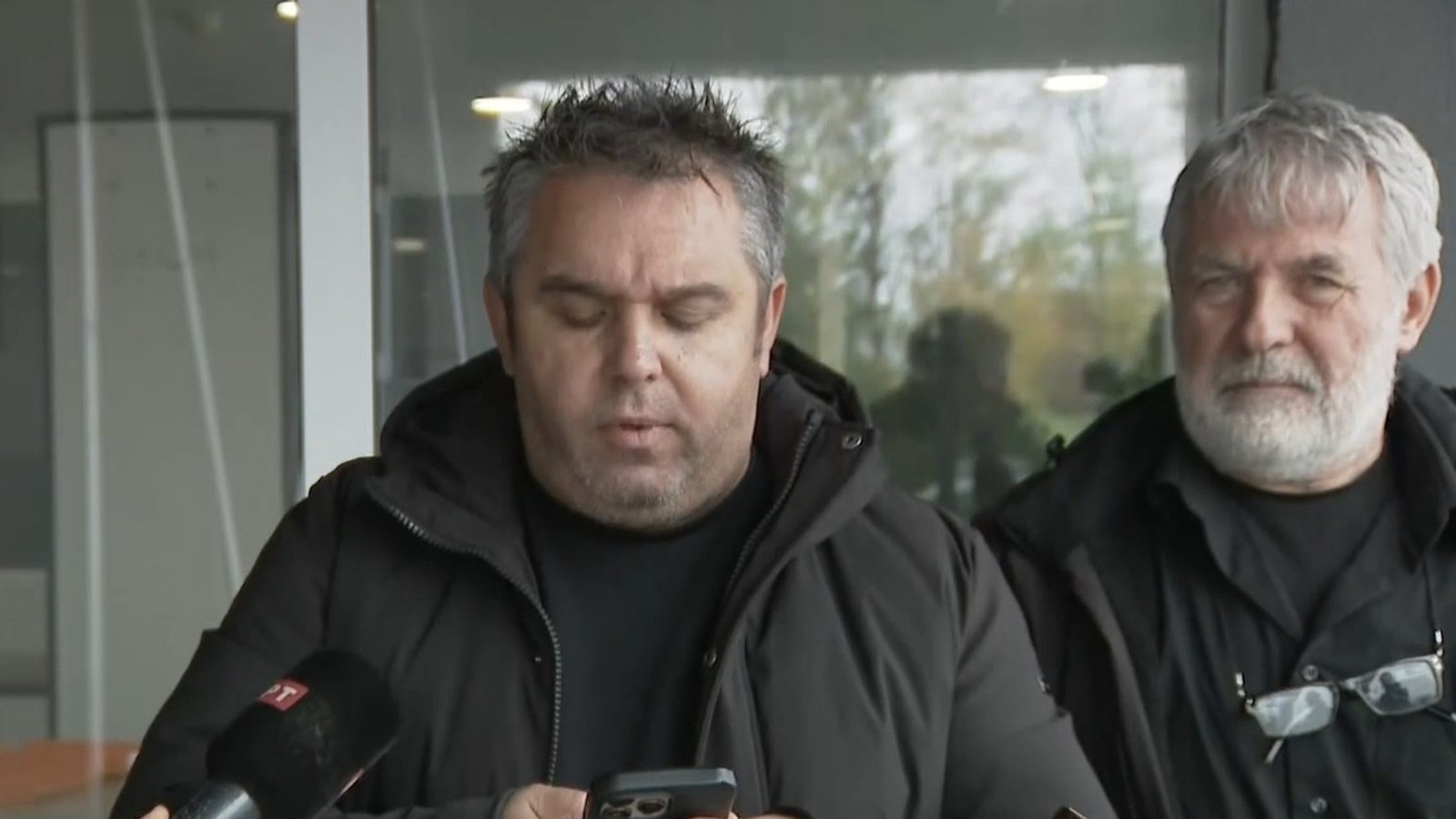
Israeli Sheba team evaluates 24 Kochani fire victims; 16 operations in Skopje and Kochani
An Israeli Sheba team reviewed 24 patients from the Kochani blaze and conducted 16 operations focused on hand function, with follow-up care planned in Kochani and Skopje.

An Israeli medical delegation from Sheba Medical Center in Tel Aviv evaluated 24 patients who had been injured in last year’s Kochani fire and carried out 16 surgical procedures during a recent visit, Macedonian health officials said at a press briefing.
The interventions focused on injuries to the hands and palms: six operations were performed at the Clinic for Plastic and Reconstructive Surgery in Skopje and ten at the General Hospital in Kochani, officials confirmed.
Long-term care and return of treatment to North Macedonia
Speaking at the briefing, Health Minister Sasho Klekovski underlined that the state will continue to support the victims over the long term and that some patients who had previously been treated abroad have now started receiving care in North Macedonia.
"The state is here for the injured from Kochani in the long run. This is a demonstration of that commitment: when attention from many other quarters fades, health authorities will be here and will provide all necessary support. For me, a special success of this intervention is that some of the injured, who until now were treated in Hungary and in Serbia, have now begun treatments here in North Macedonia. That is important because this care is not a single treatment. These injured people will need continuous care, and that will be best provided here at the General Hospital in Kochani and at the Clinic for Plastic and Reconstructive Surgery in Skopje," Klekovski said.
Dr. Moti Haratz, director of the National Burn Center and the burn intensive care unit at Sheba, said the visit was the team’s second review of the patients and that they had seen surprising postoperative improvements in scar appearance and function.
"When we speak about burn injuries, they are among the most difficult medical conditions to treat; they require long-term follow-up and care because scars continue to change, especially when they involve severe injuries to the palms and other functional parts of the body. It is very difficult to treat the acute phase, and an even greater and longer challenge is to manage rehabilitation and the return of function over the long term. Burn injuries encompass many aspects: some are functional, especially when burns involve severe damage to the hands and extremities; some are aesthetic, when they affect the face; and many are psychological. Continuity of care and support is the key issue for these patients," Dr. Haratz said.
He added: "It is not about technology or anything else; it is about care and dedication, and that is extraordinary. This is incredible work we have done here. We were in constant contact with your doctors over the past few months, reviewing the cases, discussing what we can improve and how to do it. Over the past days we reviewed 24 patients. For each of them we discussed medical progress, what kind of operations are needed, when to perform them and what the best options would be. Then, in the last three days we carried out 16 operations, including reconstructive procedures, scar improvements, restoring function and mobility — everything we could contribute from our knowledge."
Clinic director Dr. Jasmina Gjorgjievska-Pavlovska said the Clinic performed the more complex procedures such as tendon transfers to improve hand function, several arthrodeses to stabilize joints in a functional position, and correction of hypertrophic scars that had limited finger length and movement.
"I am truly satisfied with their engagement, as well as with our colleagues in Plastic Surgery. Those children, those patients, have not been left to themselves from the first moment until today. A burn is a lifelong diagnosis, and the Clinic and the Ministry — that is, all of us — stand behind these patients," she said.
Katarina Mirchovska, director of the General Hospital in Kochani, said patient selection prioritized palm function and thanked the anesthesiology teams, surgical assistants and nurses from Kochani and the specialists and trainees from the Skopje clinic.
"What follows is the harder part — physical and occupational therapy to ensure these operations fully restore hand function. The harder work is still ahead: organizing physical therapy and continuity of care and nursing for their palms. The Kochani hospital is intentionally involved because of the patients’ place of residence, accessibility of services, the ability to provide continuity of care, staff training already completed and cooperation with the Clinic of Dermatology. What follows are laser treatments in the next phase, as well as treatments at the Clinic for Plastic Surgery," Mirchovska said.
Dr. Gordana Georgieva, who heads the coordination working group for health efforts on the Kochani injured, emphasized that patients have been managed multidisciplinary over the past year with not only surgical interventions but also conservative care including laser scar therapy, compression therapy, psychosocial support and physical rehabilitation. She said international consultations and two national evaluation teams have been formed to plan ongoing follow-up and further operations where needed.
Officials said the goal is to improve patients' quality of life through a multi-year, phased program that will include further surgeries, CO2 laser treatments at the Clinic of Dermatology and continued collaboration with experts in Belgium, Austria and Croatia.
Photo: press material from the event