Vesna Janevska defends her stance: no problem in original "Sexual Education" programme
Janevska says changes were made out of respect for citizens who objected and that content still covers protection from pregnancy and STIs.
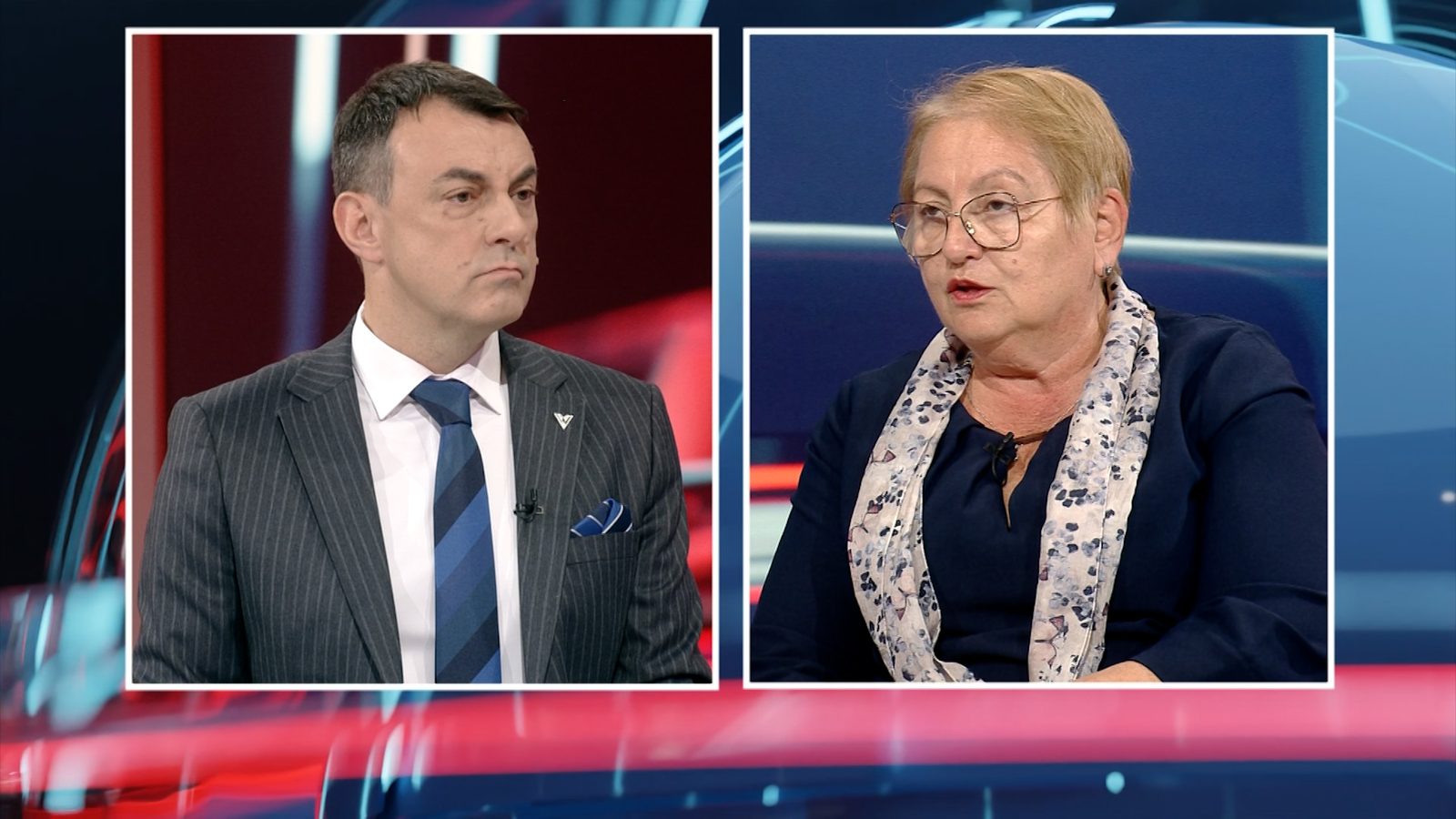
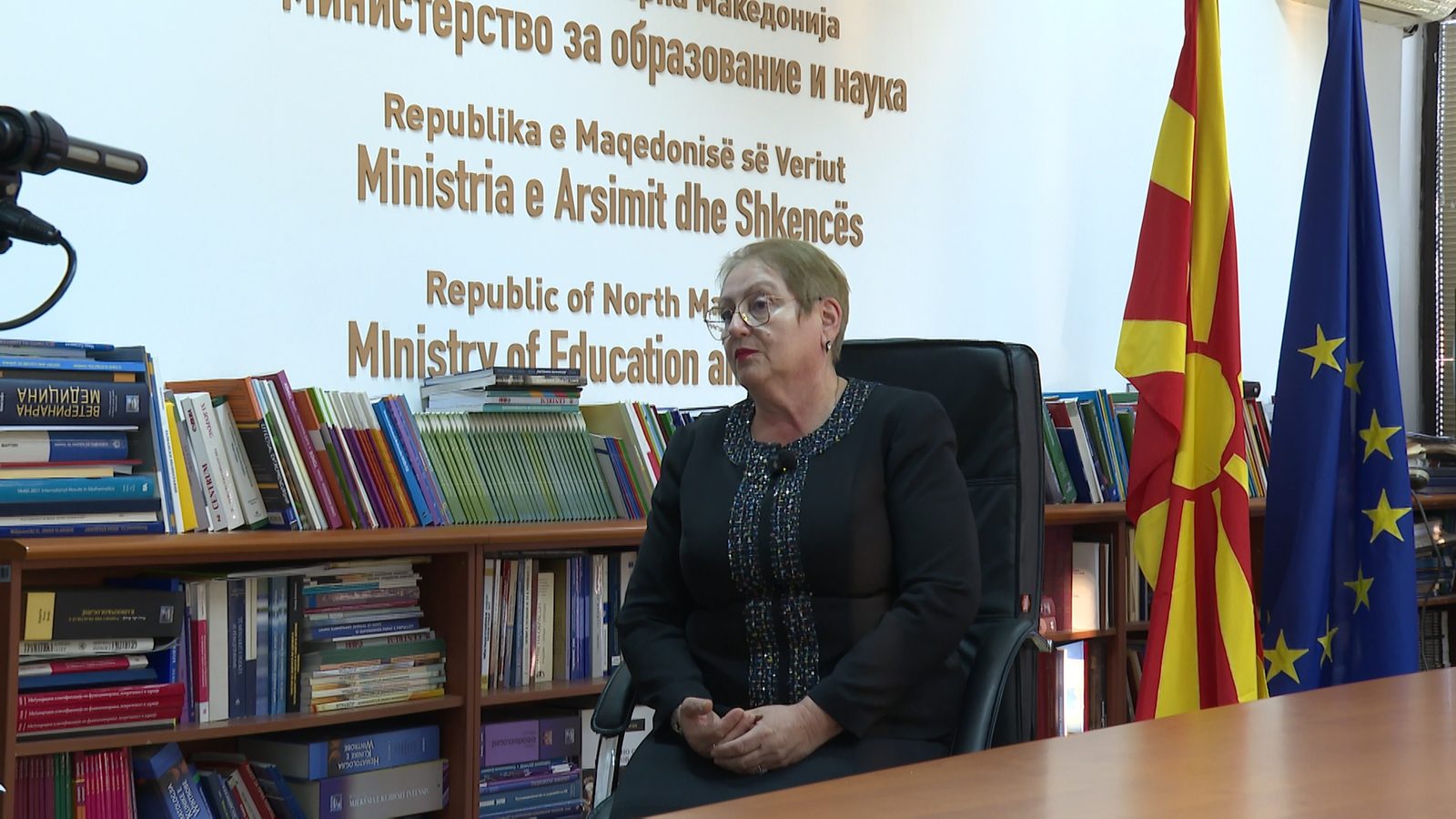
Education and Science Minister Vesna Janevska said she still stands by her earlier remark that she did not find the original elective programme titled "Sexual Education" problematic. In an interview on the MRT1 programme "360 Degrees" she explained that she accepted changes to the subject name and some terms out of consideration for citizens who objected.
Janevska: changes made out of respect for objections
Janevska told the programme that she felt obliged to respect the concerns of those who reacted to the wording: "Because these people vote for us, regardless of which group they belong to, and because personally many times I've said — this is my personal stance — that no significant change in the state should be made by force, I had understanding for the requests of these people and I think that with the content they should not be offended when they read it, say."
The elective course originally titled "Sexual Education" was renamed "Health and Protection of Health". Alongside the name change, the curriculum no longer uses terms such as "gender", "gender equality", "contraception", "sexual diversity" and "homophobia" — a fact that drew public attention and criticism.
On the substitution of the word "contraception", Janevska said students will still be taught how to avoid unwanted pregnancy: "Protection from pregnancy. But that is contraception, right? But if someone objects to the word 'contraception', 'protection from pregnancy' is appropriate."
Asked about the use of the term "gender", the minister first described it as a linguistic designation and said that by "gender equality" she means equality between the sexes. When the interviewer pointed out that the term has social and legal meaning and already appears in domestic legislation, including the Criminal Code, Janevska acknowledged it is present in other laws.
She also confirmed that some of the loudest opponents of the initial programme included a bishop from the Strumica region and various non-governmental organisations. When asked whether religious opinions should dictate the content of public education, Janevska answered: "In a secular state certainly not, although religion is a right of every person." She denied that party circles had overruled her on the issue.
Janevska reiterated that the elective subject is needed, that teachers have already been trained, and that pupils can approach educators outside of class time. She listed the topics she believes teenagers should learn: protection from unwanted pregnancy and sexually transmitted infections, and recognising aggression in partner and sexual relationships.
Photo: press material from the event