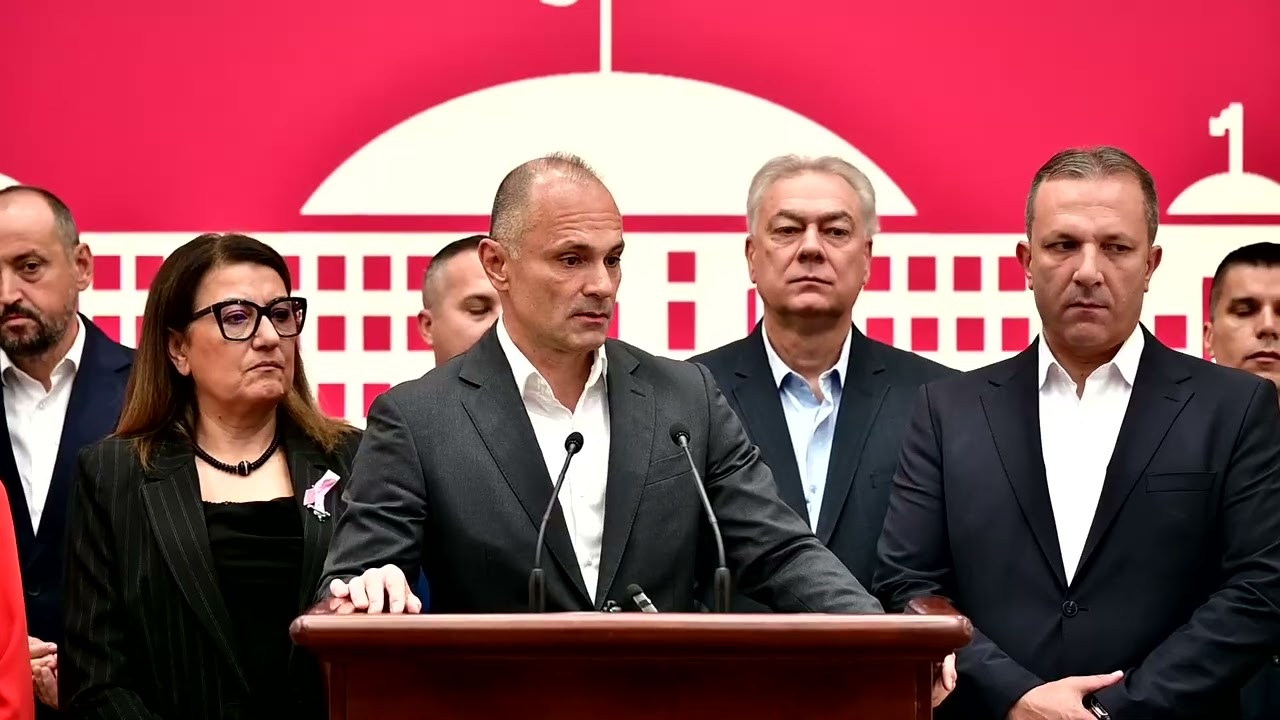
Where did €350 million disappear from the tables? Filipche called Mickoski and Kochoska to account for the debt of the Public Enterprise for State Roads
SDSM says that the state-guaranteed debt of the Public Enterprise for State Roads is not shown in the official data; the Ministry of Finance must publish the methodology.
Three hundred and fifty million euros are not an accounting footnote. If the Government guarantees the debt of the Public Enterprise for State Roads, the public has the right to know where the risk is recorded and who will pay the obligation if the enterprise cannot.
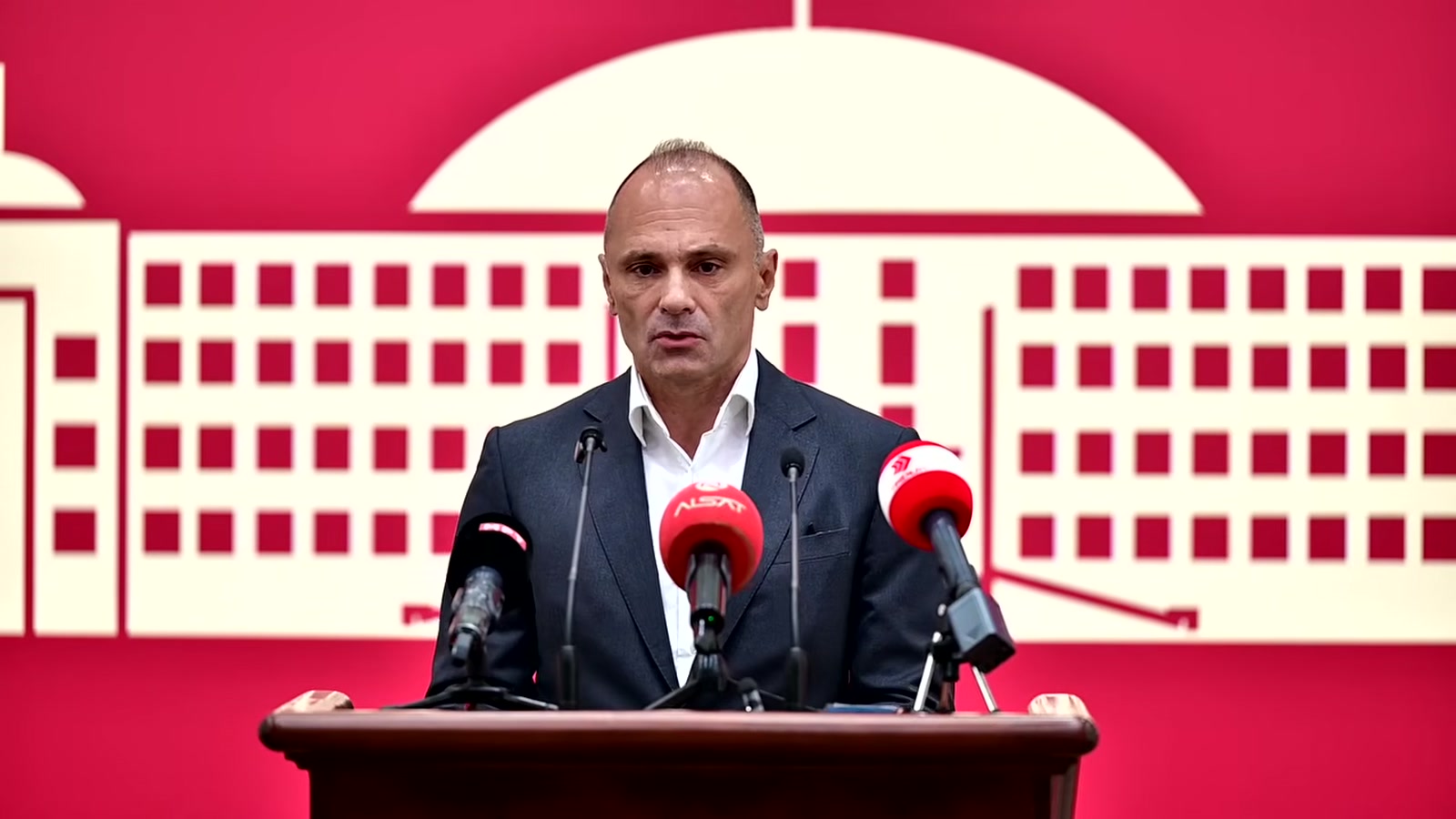
The president of SDSM, Venko Filipche, at a press conference directly called on Prime Minister Hristijan Mickoski and Finance Minister Gordana Dimitrieska-Kochoska to explain why, according to him, a debt of €350 million of the Public Enterprise for State Roads (PESR) is not in the official public debt tables.
“Why in the official data on public debt is the €350 million debt of the Public Enterprise for State Roads, which the Government guarantees, being hidden? Why is it not in the official tables?” Filipche asked.
The phrase “is being hidden” is an accusation by the opposition. Different statistical systems can separately report direct government debt, guaranteed debt and the obligations of public enterprises. But that technical difference does not diminish political responsibility. If the state budget is the ultimate guarantor, citizens must have one clear, consolidated picture of the full exposure.
One question that requires a number, not a party slogan
The Ministry of Finance must answer a few simple questions: what is the total debt of the Public Enterprise for State Roads, how much of it is guaranteed by the state, in which official table it is shown, when it matures and for which road projects it has been drawn. If the sum of €350 million is included in another statistical aggregate, the authorities should show the document and explain the methodology in plain language.
Filipche linked the disputed figure to the broader borrowing policy and to the announced new need of €1.3 billion. His thesis is that the authorities present the economy as successful while simultaneously accumulating obligations that are not sufficiently visible in public debate. The opposition is calling for a full consolidation of the numbers before the state takes on new debts.
The Government, for its part, argues that current borrowing is needed to repay inherited eurobonds and debts, to cover the deficit and for capital investments. That explanation may be part of fiscal policy, but it does not answer the specific question about the Public Enterprise for State Roads: where exactly are those €350 million recorded?
Roads must not become a parallel budget
Public enterprises often manage large infrastructure contracts, loans and state guarantees. That is precisely why their obligations must not remain in the shadow of the central budget. Citizens pay tolls, taxes and potential guarantees, so they have the right to know whether the borrowing is creating new roads with clear deadlines or only new interest and postponed obligations.
Filipche aimed his attack at the two most responsible for fiscal policy: the Prime Minister and the Minister of Finance. Now they must respond with a table that can be verified. If the opposition's claim is wrong, they should refute it with an official document. If it is true that the guaranteed debt is not sufficiently visible, then the correction must be made immediately.
At a time of new billion-euro borrowings, transparency is not a technical service to the public but a fundamental condition for trust. Any hidden line in the accounts today can become a public bill tomorrow.
Photo: frame from the SDSM press conference