Sëmundjet kardiovaskulare udhëheqin vdekshmërinë; Klekovski propozon matje në farmacitë
Instituti organizoi kontrolle falas; drejtuesja Andonovska theksoi 6,888 vdekje vitin e kaluar (34%), ndërsa ministri Klekovski propozoi masa të aksesueshme.
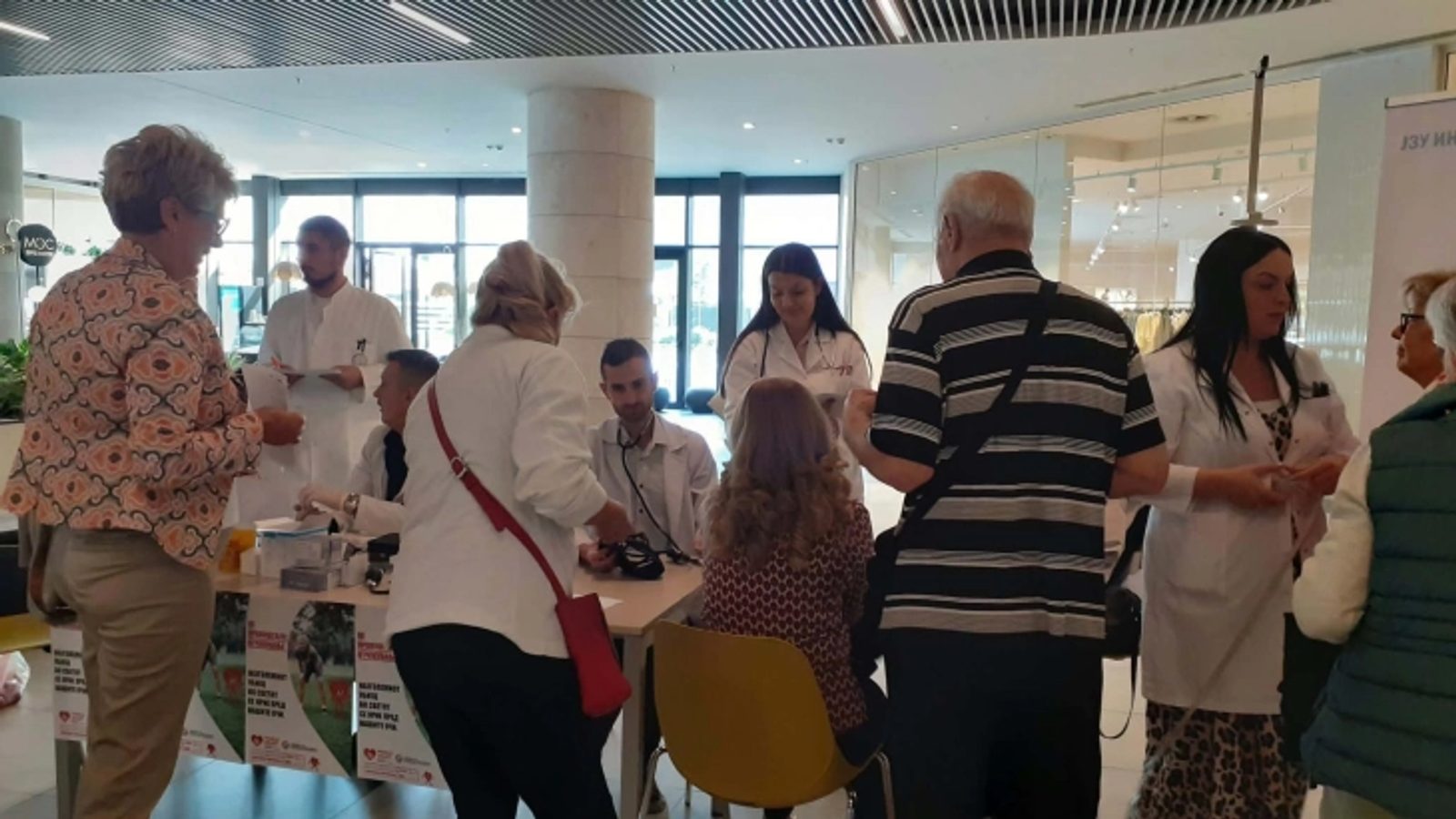
Sëmundjet e sistemit kardiovaskular janë shkaku kryesor i vdekshmërisë në vend: vitin e kaluar 6,888 persona vdiqën nga sëmundjet e sistemit kardiovaskular, që përbëjnë 34 përqind të mortalitetit total, tha drejtuesja e Institutit të Shëndetit Publik, Marija Andonovska, gjatë aktiviteteve për Ditën Botërore të Zemrës.
Instituti i Shëndetit Publik organizoi kontrollime parandaluese falas për të rritur ndërgjegjësimin për sëmundjet e zemrës dhe faktorët e rrezikut, duke ofruar matje themelore dhe këshilla për qytetarët.
Ministri i Shëndetësisë, Sasho Klekovski, i cili vizitoi vendin e kontrollimeve, paralajmëroi se Maqedonia dhe rajoni shënojnë dyfish më shumë vdekje të përparakohshme te personat 30–70 vjeç krahasuar me pjesën tjetër të Europës.
Propozim për kontrolle më të thjeshta dhe të aksesueshme
Gjatë ngjarjes Klekovski theksoi se shumë raste kardiovaskulare mund të parandalohen ose të zbulohen herët me masa të thjeshta, dhe u bëri thirrje qytetarëve që të matin rregullisht presionin e gjakut dhe peshën. “All of these things can be prevented and detected early with simple measures. For example, measuring blood pressure — that's a simple thing; we just need to practice it, because high blood pressure is one of the quietest killers, so to speak, which affects heart health, kidney health and brain health. Together with uncontrolled diabetes they become the main contributors to heart, brain and kidney diseases,” tha ai. (fjalë e përkthyer në shqip në vijim.)
Klekovski deklaroi se ndryshimet e ardhshme në Ligjin për Regjistrat Mjekësore do të synojnë që rezultatet e kontrolleve sistematike të integrohen në dosjen e çdo pacienti në mënyrë që të mos humbasin. “We will see whether we can add cheap, accessible procedures to them that could help in the early detection of certain conditions, not only cardiovascular but also other conditions, because the biggest cost with the systematic exam is the act of going to the doctor. Then we'll see whether we can do something more,” tha ai, duke shtuar se sistemi i krijuar për punësimin e mjekëve dhe infermierëve nuk është më i qëndrueshëm dhe se kapacitetet e disponueshme, përfshirë farmacistët, duhet të lihen në përdorim: “Basically, a system that was founded to hire more doctors and nurses is no longer sustainable because there will be neither — especially nurses. So then we have to see what is available as health capacity and free it up for use. I have said this on other occasions: if there is a doctor — doctor, if there is a nurse — nurse, if there is a pharmacist — pharmacist. So there is a legal possibility; the conditions and standards for doing that need to be regulated. And this is nothing terrible, because some of these tests are self-tests.”
Për interesin e qytetarëve për kontrolle, ministri pranoi se duhet bërë më shumë punë në rritjen e vetëdijes: “We must value our lives more, because if we ourselves do not value them, we cannot expect someone else to value them. So we must talk about it; we must find some model to manage the main risks: stress, diet, alcohol, cigarettes... So we must talk much more about these topics,” tha Klekovski. Ministri shtoi se nëse masat për matje në farmacia do të zbatohen, do të duhet të përcaktohen standardet dhe kushtet për kryerjen e tyre nga personeli i trajnuar ose farmacistët.
Foto: material shtypi nga ngjarja