Cinema, concerts and sport unaffordable for one in six in North Macedonia, Eurostat says
Eurostat finds 15.9% of people aged 16+ in North Macedonia cannot regularly attend cinema, concerts or sport for financial reasons.
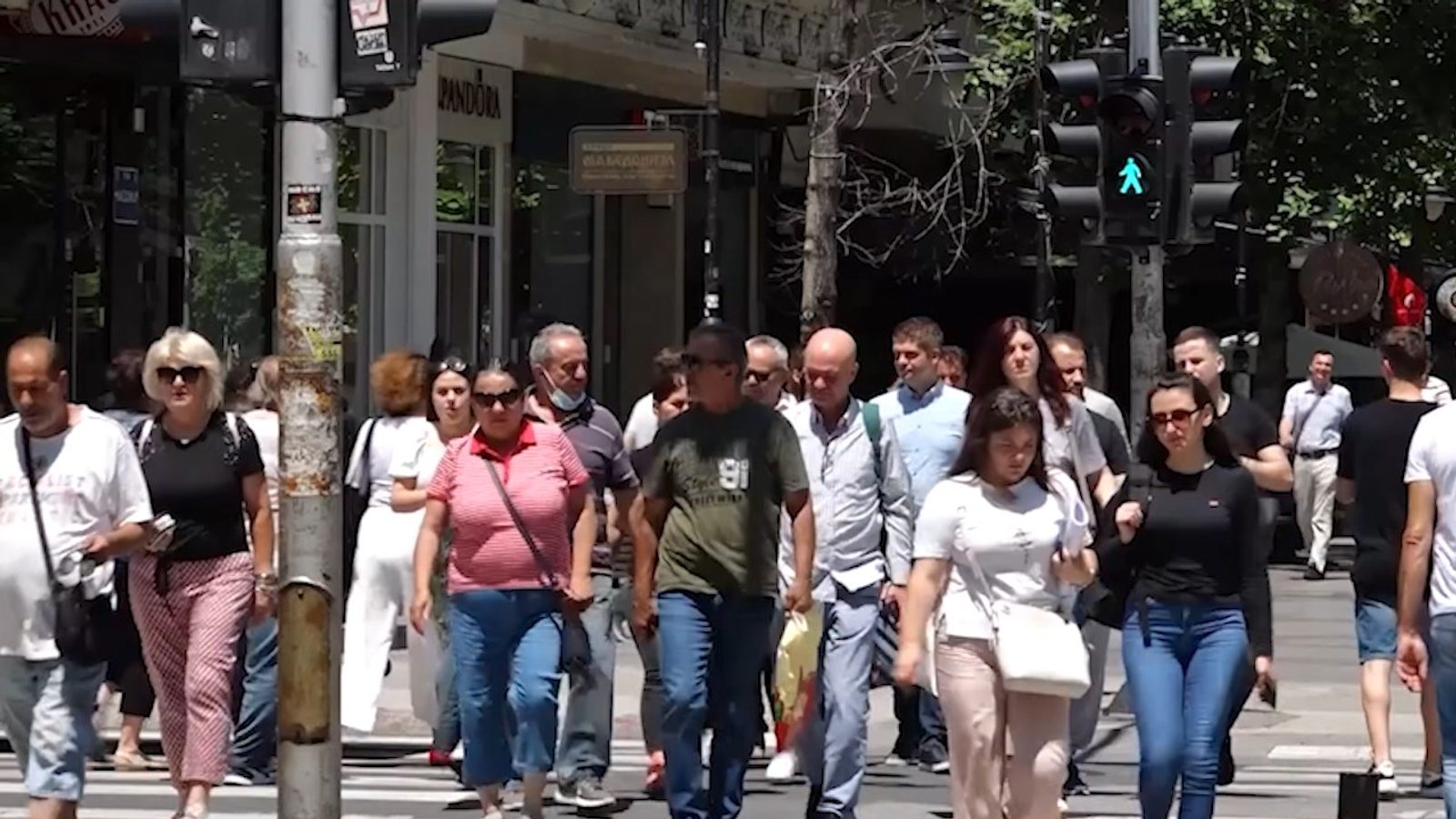
About one in six people in North Macedonia cannot afford regular leisure activities, Eurostat data for 2025 show. Specifically, 15.9 percent of the population aged 16 and over report they are unable to participate regularly in recreational and entertainment activities because of financial constraints.
What the figures mean
Eurostat’s indicator covers routine out-of-home recreational activities that can require expenditures such as ticket purchases, membership fees, sports equipment or transport to the venue. That means the measure captures not only costly trips or major events but also everyday social activities that contribute to wellbeing.
The problem is not limited to North Macedonia. Across the European Union roughly 46 million people lack the means to regularly go to the cinema, attend concerts, play sports or join other recreation. Among those at risk of poverty the share unable to take part regularly rises sharply — 29 percent — more than three times the rate among people not at risk.
Experts and social analysts warn that restricted access to leisure has consequences beyond simple money problems. Reduced opportunities for social contact, cultural participation and physical activity can affect mental health, social cohesion and the overall quality of daily life.
For policymakers the Eurostat figures underline that financial exclusion touches everyday life and social participation, not only the ability to buy necessities or pay bills. The 2025 data point to a gap in access to ordinary activities that many Europeans take for granted.
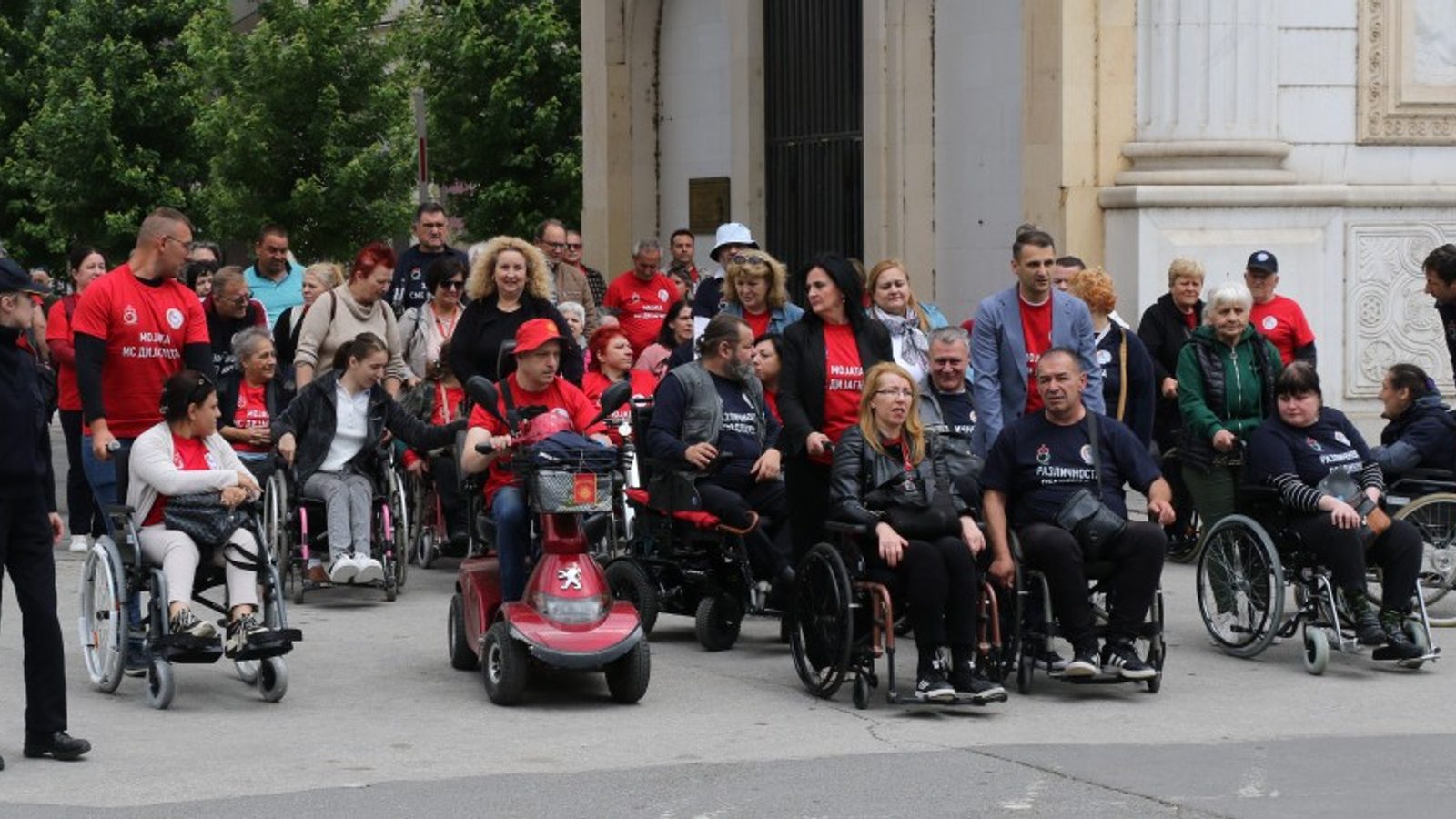
Photo: press material from the event