Kosovo: Hashim Thaci given extra sentence in The Hague as debate over Specialised Chambers intensifies
The Hague handed Thaci 17 months for obstructing justice; the decision adds to a 25‑year war‑crimes sentence and has reignited political and legal disputes in Kosovo.
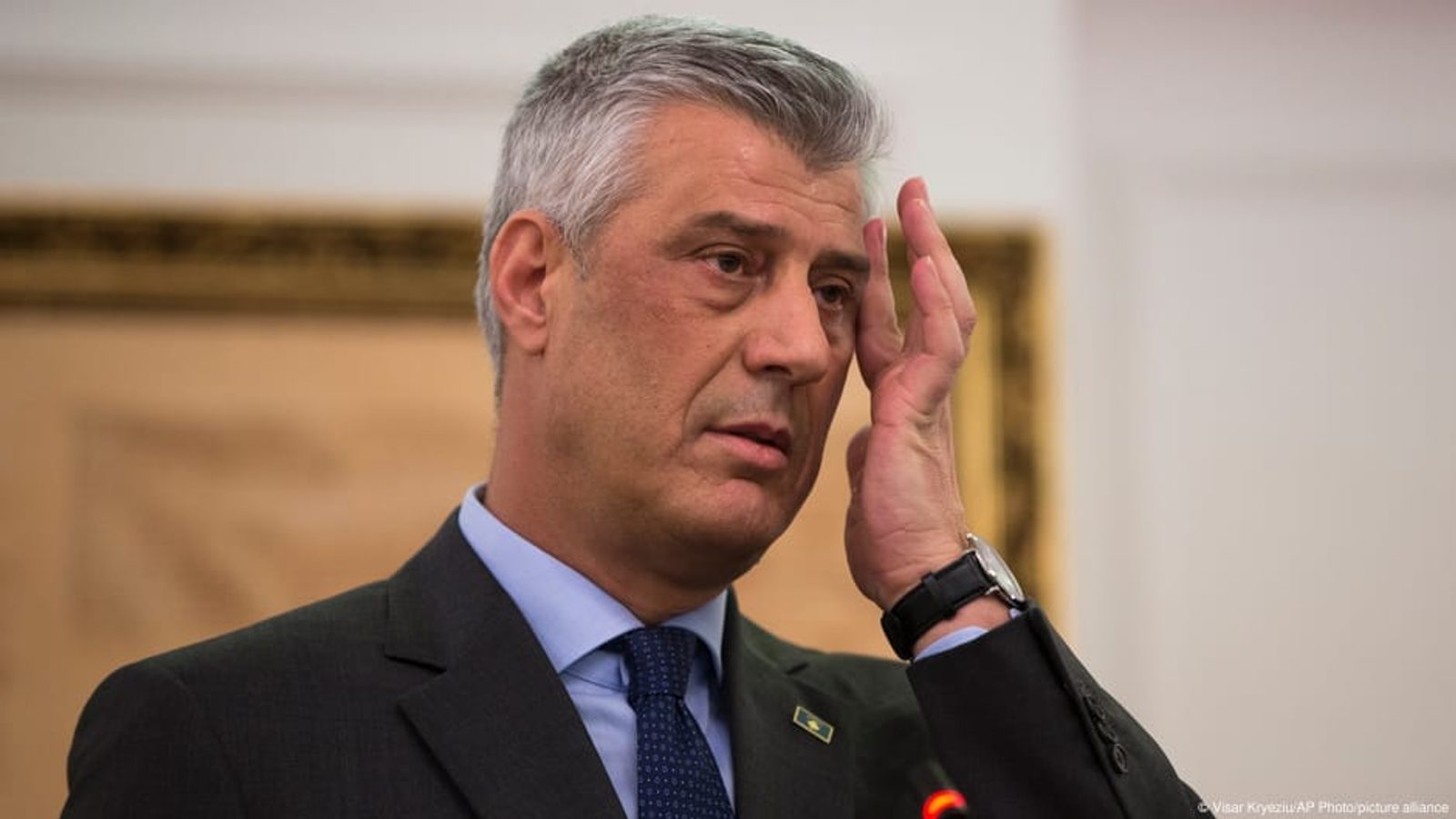
The Hague court on Tuesday, November 17, 2026, convicted former Kosovo president Hashim Thaci of obstructing justice and attempting to influence witnesses during the recent war-crimes trial, handing him a 17-month prison sentence.
That penalty will be added to the 25-year sentence imposed on September 16, 2026, by the Specialised Chambers in Kosovo for war crimes. Prosecutors say Thaci passed confidential information about witnesses to visitors at the detention unit in The Hague and advised them how to affect witness testimony. Three other men were also convicted in the obstruction case: Bashkim Smakaj, Hajredin Kuci and Fadil Fazliu.
Thaci, who resigned nearly six years ago to face war-crimes charges and who remains a polarising figure in Kosovo where many consider him a war hero from the 1998–1999 conflict, has announced he will appeal the earlier war‑crimes ruling. The verdicts have provoked strong reactions in Pristina.
In a swift response the government said: "Trust in justice is built not only on decisions taken, but on the way those decisions are taken. Therefore, our commitment to the rule of law and insistence on full respect for rights and procedural guarantees are part of the same principled stance: justice must not only be satisfied, it must also be fair, transparent and credible."
What are the Specialised Chambers?
The Specialised Chambers were established in 2015 by Kosovo's parliament with backing from the European Union and the United States to investigate serious crimes allegedly committed by members of the Kosovo Liberation Army (KLA) during and after the 1998–1999 war. For security and witness‑protection reasons the court sits in The Hague, Netherlands.
After the first-instance war-crimes convictions in September, Pristina set up a government working group to prepare an appeals strategy before the Specialised Chambers. Foreign Minister Glauk Konjufca leads the group, which includes members of parliament. Prime Minister Albin Kurti said the group continues to view "the first-instance judgment of the Specialised Chambers as unjust, both legally and morally," and that the government is "working to secure a correction at the appeals level before the Specialised Chambers."
Parliament is also considering changes to the law governing the Specialised Chambers. The draft would narrow the court's temporal jurisdiction, reduce the maximum prison term to 15 years, allow sentences to be served in Kosovo, and give the president the option to pardon those convicted by the court.
Political analysts and legal experts warn that the proposed revisions must be handled carefully. "From an international perspective, this initiative at first glance could be interpreted as an attempt to interfere in the judicial process," said political analyst Artan Muhaxheri, who urged clear legal arguments showing compatibility with Kosovo's international obligations to the European Union. Ehat Miftaraj, executive director of the Kosovo Legal Institute, emphasised the difference between reasoned legal criticism and efforts to delegitimise courts, noting that "there is room for criticism on both sides." The debate over the Specialised Chambers and Thaci's appeals is likely to continue while legal and political steps play out.
Photo: press material from the event