Audit: interlinked state debts leave Health Insurance Fund struggling to pay hospitals
Auditors find PIOM and the Health Ministry owe the Health Insurance Fund tens of millions, leaving hospitals with unpaid invoices and the Fund short of liquidity.
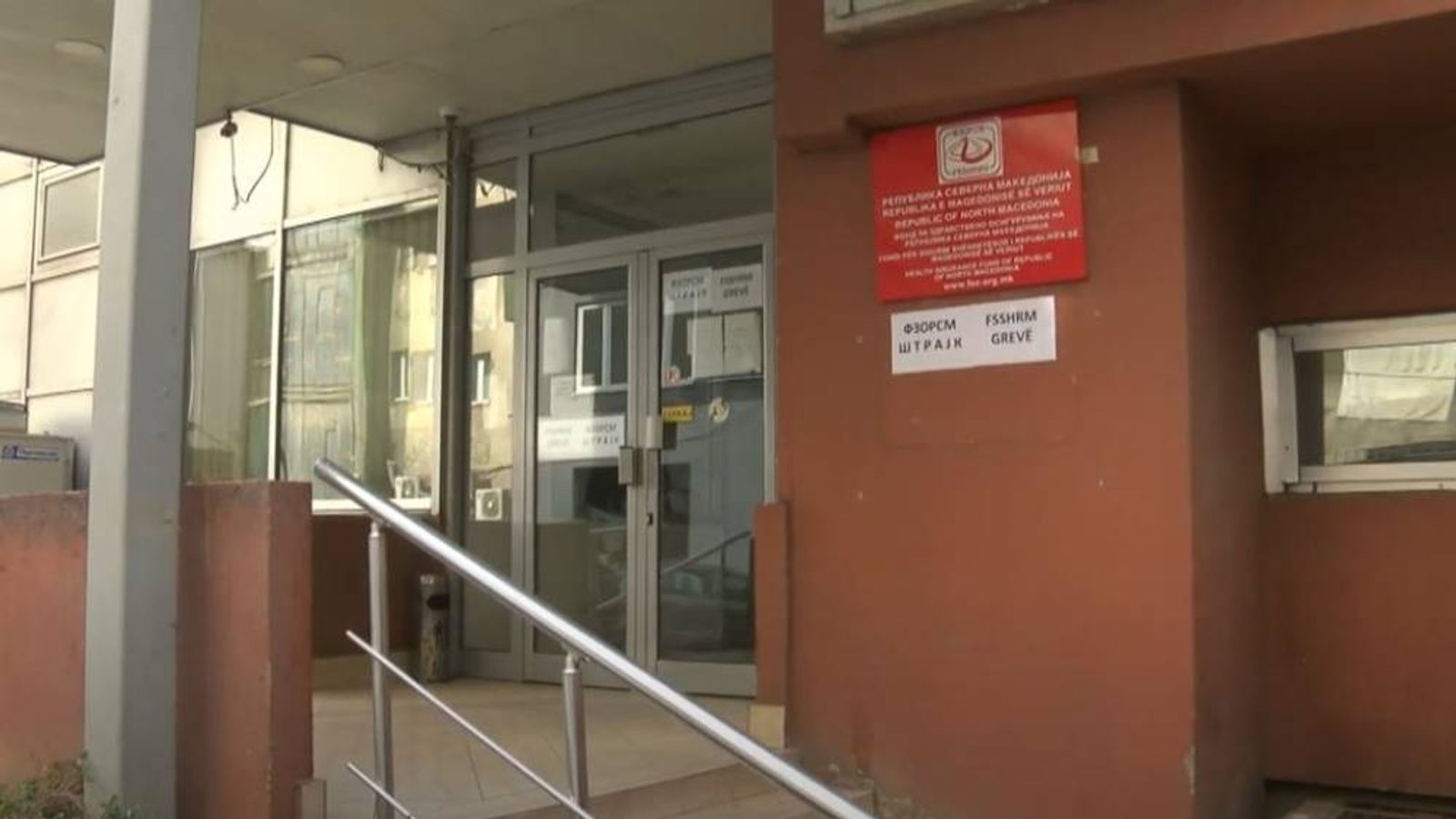
The audit report on the work of the Health Insurance Fund for 2024 reveals a "vicious cycle" of inter-institutional debts: state institutions owe the HIF hundreds of millions of euros, the HIF cannot pay hospitals on time for medicines and services, and the hospitals themselves are on the lists of the largest state debtors.
According to the data in the report and data from the Ministry of Finance, the Pension and Disability Insurance Fund (PIOM) owes the HIF 137 million euros, and the Ministry of Health another 35 million euros. Since the first quarter, the ten largest debtors among health institutions alone have 93 million euros in due but unpaid obligations.
The auditors clearly warn of the consequences. The report states: "The listed conditions, which arise from the insufficient and untimely provision of funds on both bases, have a cumulative negative impact on the Fund's liquidity. This limits its ability to timely service its obligations to public health institutions," the audit report on the work of the Health Insurance Fund in 2024 states.
Why the increase in pensions worsened the problem
PIOM explains that the increase in pensions has led to higher health insurance costs for pensioners, which now amount to 11.8% of the pension. The text also states that "In April this year, the health insurance for pensioners was paid for July 2025."
The director of PIOM, Nikola Memov, described the situation as follows: "The increase in obligations is due to the historic increase in pensions of 7,000 denars from 2024. In this way PIOM's obligations to the HIF have also increased. The total increase in pensions in 2026 compared to 2024 is around 500 million euros on an annual basis, which also means an increased obligation of PIOM for health insurance in the amount of about 60 million euros. Regardless of this administratively increased obligation, pensioners receive and will continue to receive healthcare regardless of inter-institutional debts," says the director of PIOM Nikola Memov.
The auditors also point out weaknesses in the information system, insufficient controls at private hospitals and in treatment abroad paid for by the HIF, as well as problems in the conduct of tenders. According to them, this makes it harder to control costs and ensure timely payments.
The overall effect is reduced liquidity at the Health Fund: inter-institutional debts and insufficient transfers limit the HIF's ability to service obligations to public health institutions, and this raises questions about the government's financial planning and fiscal priorities.
Photo: press material from the event