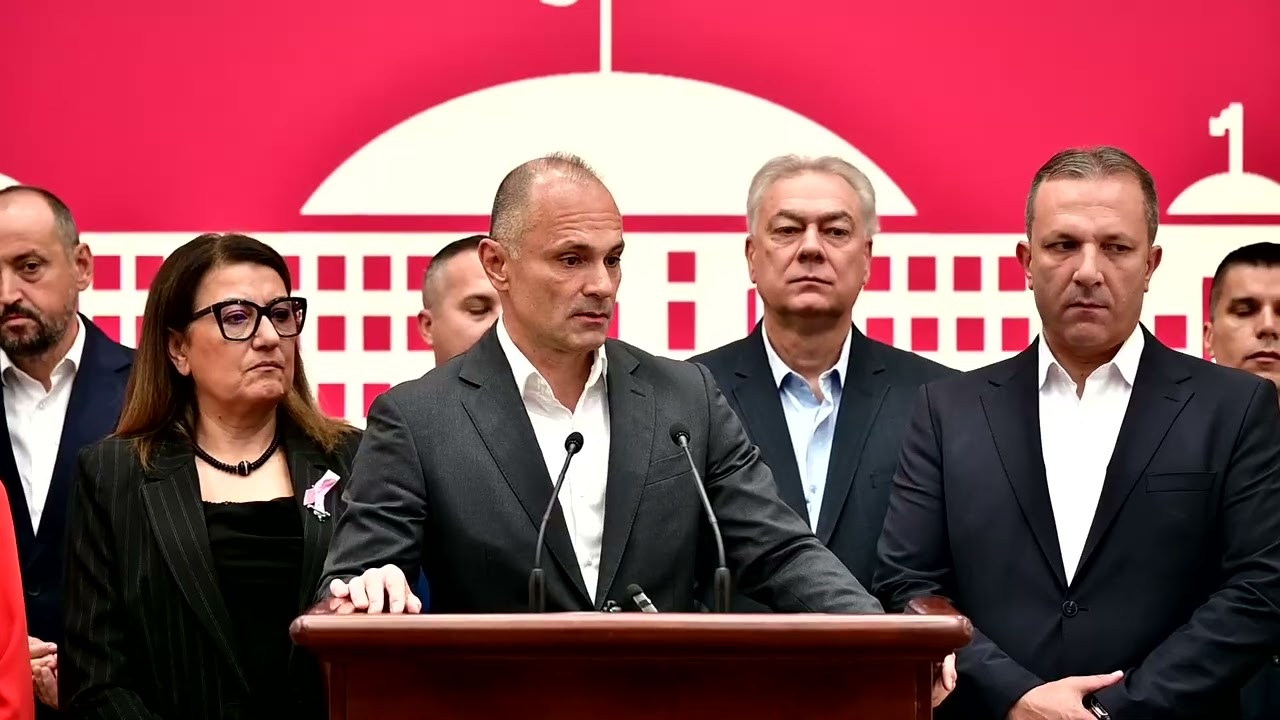
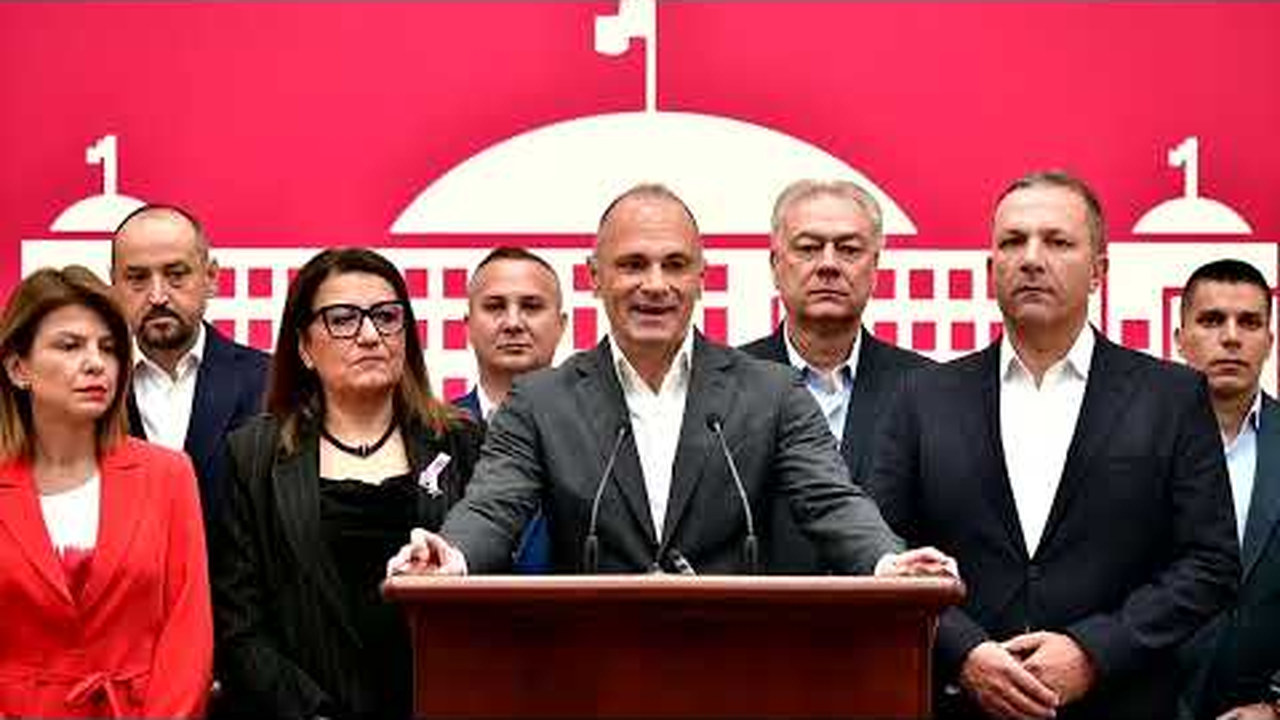
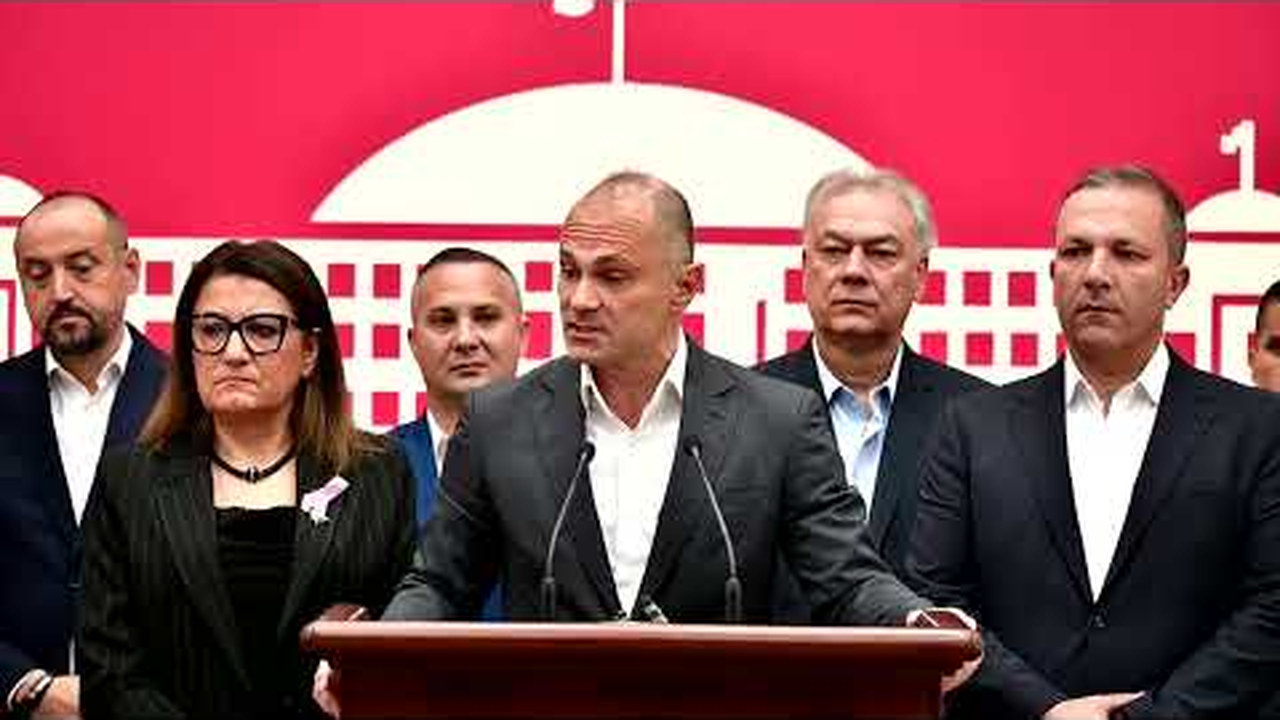
Hristijan Mickoski keeps Ivan Stoiljkovic in the Government after glorification of Ratko Mladic: Venko Filipche demands answers
The leader of SDSM asked why there has been no political responsibility after a party page published a positive piece about a man finally convicted of genocide in Srebrenica.
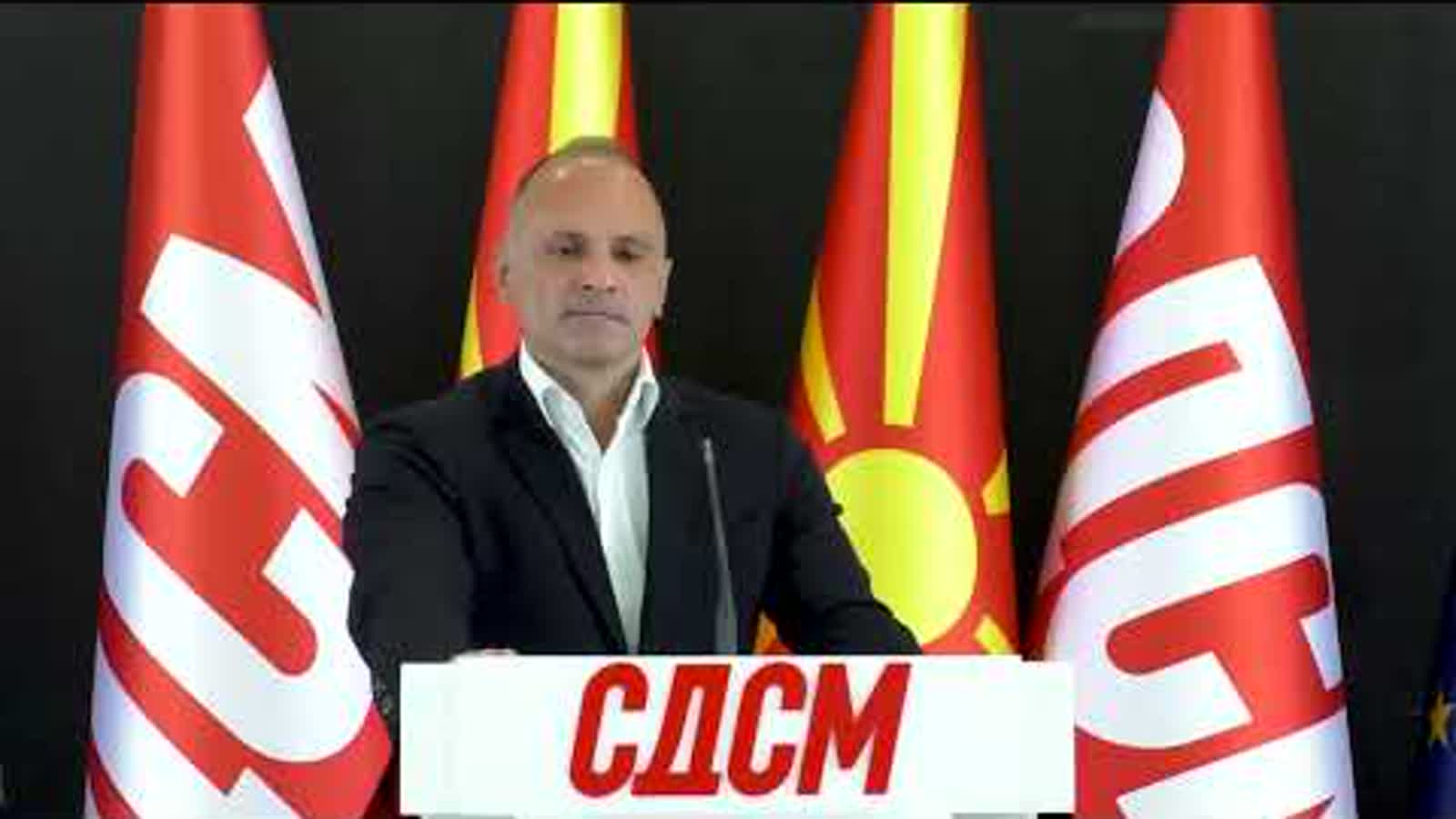
Prime Minister Hristijan Mickoski must explain why Ivan Stoiljkovic still sits in the Government after a text was published on the page of the party he leads that presents Ratko Mladic in a positive light, said the president of SDSM, Venko Filipche.
At the press conference Filipche raised the question of political and moral responsibility within the government cabinet. He recalled that Mladic was finally convicted of genocide in Srebrenica, crimes including persecution, extermination, killings, deportation, forced transfer, terror, unlawful attacks on civilians and taking hostages, and said that prime ministerial silence over publications from the circle of government officials cannot be reduced to a private view.
"There are people who sit in the Government, a recent deputy prime minister and now a minister, who celebrate his name," Filipche said, calling on Mickoski to publicly say whether he accepts or rejects such messages.
What has been determined about Mladic
According to the final judgment of the International Residual Mechanism for Criminal Tribunals, Ratko Mladic was sentenced to life imprisonment for genocide in Srebrenica, persecution, extermination, killings, deportation, forced transfer, terror, unlawful attacks on civilians and taking hostages. The Appeals Chamber in 2021 confirmed the convictions and the life sentence.
After his death, a Facebook page of the Democratic Party of the Serbs, whose president Ivan Stoiljkovic is minister for local self-government, published a text in which Mladic was described as a soldier, a general and a man many Serbs will remember as "their general," rather than by The Hague and prison. There is no publicly established evidence that Stoiljkovic personally wrote the text, but the party page and his ministerial role make the question of political responsibility inevitable.
Separately, the director of the Agency for the Realization of the Rights of Communities, Dalibor Kitanovic, posted a photomontage that presented Mladic among the "generals of the heavenly army." After the Government said he should step down if he did not accept the fact that Mladic was convicted of genocide and war crimes, Kitanovic deleted the post and apologized to the Prime Minister.
Apology for the director, but what about the minister?
Precisely the different treatment has amplified the opposition's criticism. For the director there was a conditional threat of withdrawal and an apology; for the minister whose party page published the controversial message, the public did not receive a clear political sanction. Filipche asked whether that means Mickoski tolerates the position because he needs the coalition partner.
The International Residual Mechanism in The Hague has publicly condemned the glorification of persons convicted of genocide, crimes against humanity and war crimes. Therefore this is not a dispute about historical taste, but a test of whether a government that presents itself as European will set a limit when officials or their parties romanticize a finally convicted war criminal.
Mickoski has a simple choice: to clearly distance himself and demand accountability, or to leave the impression that coalition arithmetic is more important than the judgments for Srebrenica and the dignity of the victims. Silence, when facts are established by a final international judgment, is also a political message.
Photo: frame from the SDSM press conference