Mickoski accuses Naumov of obstructing the 2016 eurobond, Naumov says he would act the same
Mickoski says investor letters in 2016 raised borrowing costs by millions; Naumov calls the move a "patriotic duty" and says he would act the same.
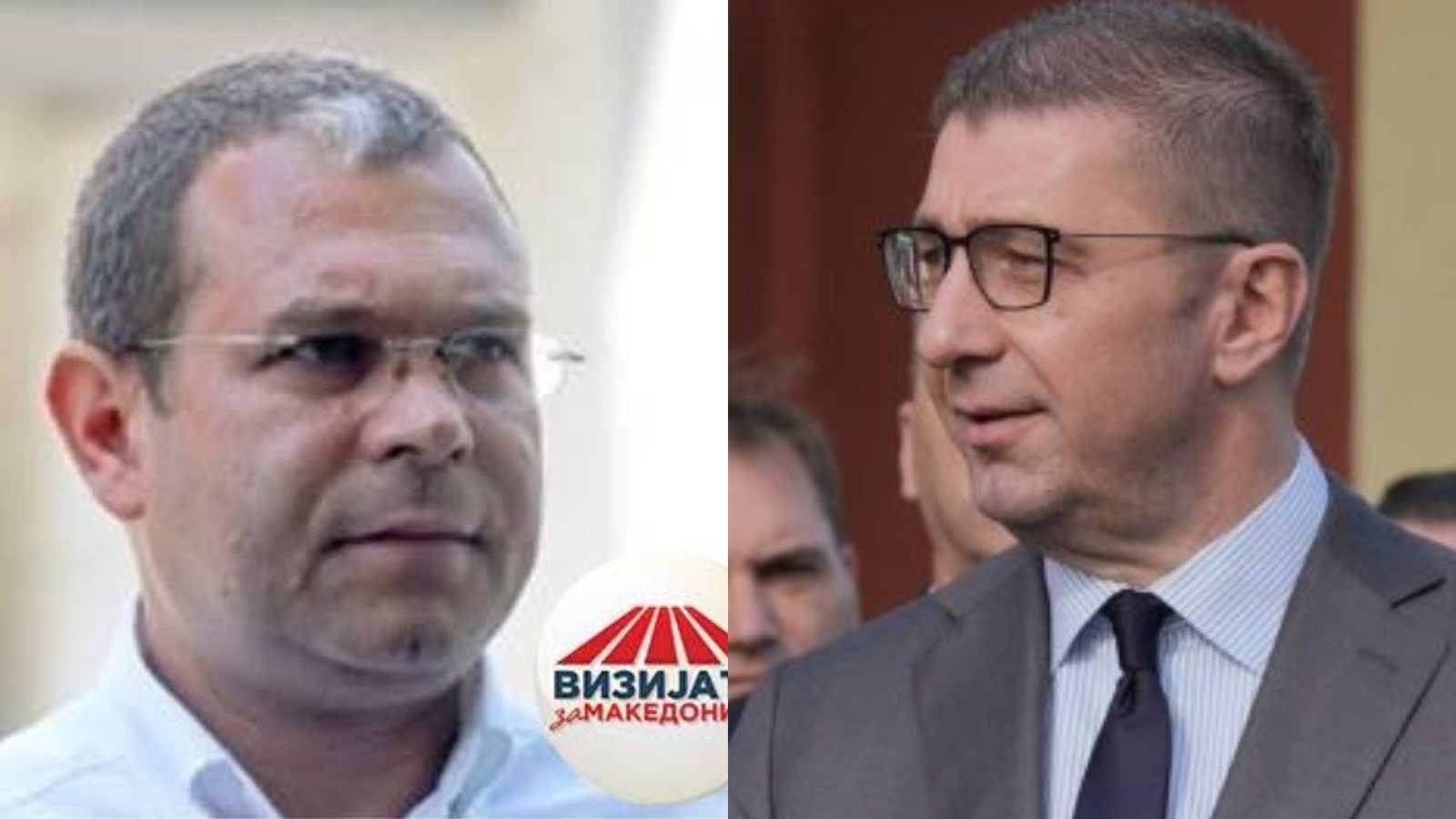
Prime Minister Hristijan Mickoski on Friday accused former additional Deputy Finance Minister Kire Naumov of obstructing the state’s 2016 eurobond issuance, saying letters sent to foreign investors at the time raised borrowing costs and cost the country "several million euros" in extra expenses.
Naumov defends the move as a "patriotic duty"
Naumov rejected Mickoski’s allegations in a Facebook post, saying he is proud of decisions he took about a decade ago and that, if placed in the same position again, he would act the same way. He said the two eurobonds valued at 400 million euros had been halved while he was additional deputy minister.
In his post Naumov wrote: "Yes, Kire Naumov was, without a doubt. And yes, I am proud that about ten years ago as additional deputy minister I managed to halve the two eurobonds for 400 million euros of public money, which would have gone for chocolates when there was no bread, for shameful pre-election corruption and for criminal tenders for the regime which this current prime minister himself today says was criminal."
Naumov added that preventing that borrowing was "his patriotic duty," stressing that his actions were not mere blanket letters to investors but evidence that the funds would be used to prop up a "criminal and undemocratic regime," not for salaries or pensions, which, he said, were paid without interruption even without the 400 million euros.
He also urged current government representatives to try to convince investors of the country’s good economic indicators and to secure a lower interest rate for the upcoming eurobond, warning there are signs it could be among the higher issues in recent times. He closed the post saying: "And, of course, if I were again in the same position, without any reservation I would act the same."
Mickoski, explaining why the government included the banking sector in Criminal Code amendments sent for review to the European Commission, connected the sharp opposition reaction in the Alta Bank case with the 2016 events. He said that in 2016–2017, when a technical government was in office, the then-deputy deputy minister in the Ministry of Finance sent letters abroad in a way that obstructed the eurobond issuance and caused the state several million euros in extra costs.
In a lengthy statement Mickoski said: "If you go back, let's say to 2016, 2017, when we had a technical government, then the deputy deputy minister in the Ministry of Finance was sending letters to the world in a way that obstructed the then eurobond issuance, and that cost the citizens several million euros more. Why? Because those creditors who practically invest in our bond raised the interest rates, because they are not altruists, they look for profit, they don't care why we have domestic figures like the one who was then, Kire Naumov I think his name was, who decided to betray his own country and his own government in the world and in that way essentially to inflict damage on the taxpayers, and that ultimately are the citizens. That is what the current SDSM opposition also does today and I think this is a good form so that further on no politician repeats such an abuse for political purposes."
Mickoski also said the new Criminal Code will not be retroactive; the changes will apply to future cases.
Photo: press material from the event