Minimum wage stays 26,000 denars as 36,000-denar proposal fails in parliament
SDSM's plan to raise the minimum to 36,000 denars did not pass; parties and unions exchange accusations while many workers remain below the poverty threshold.
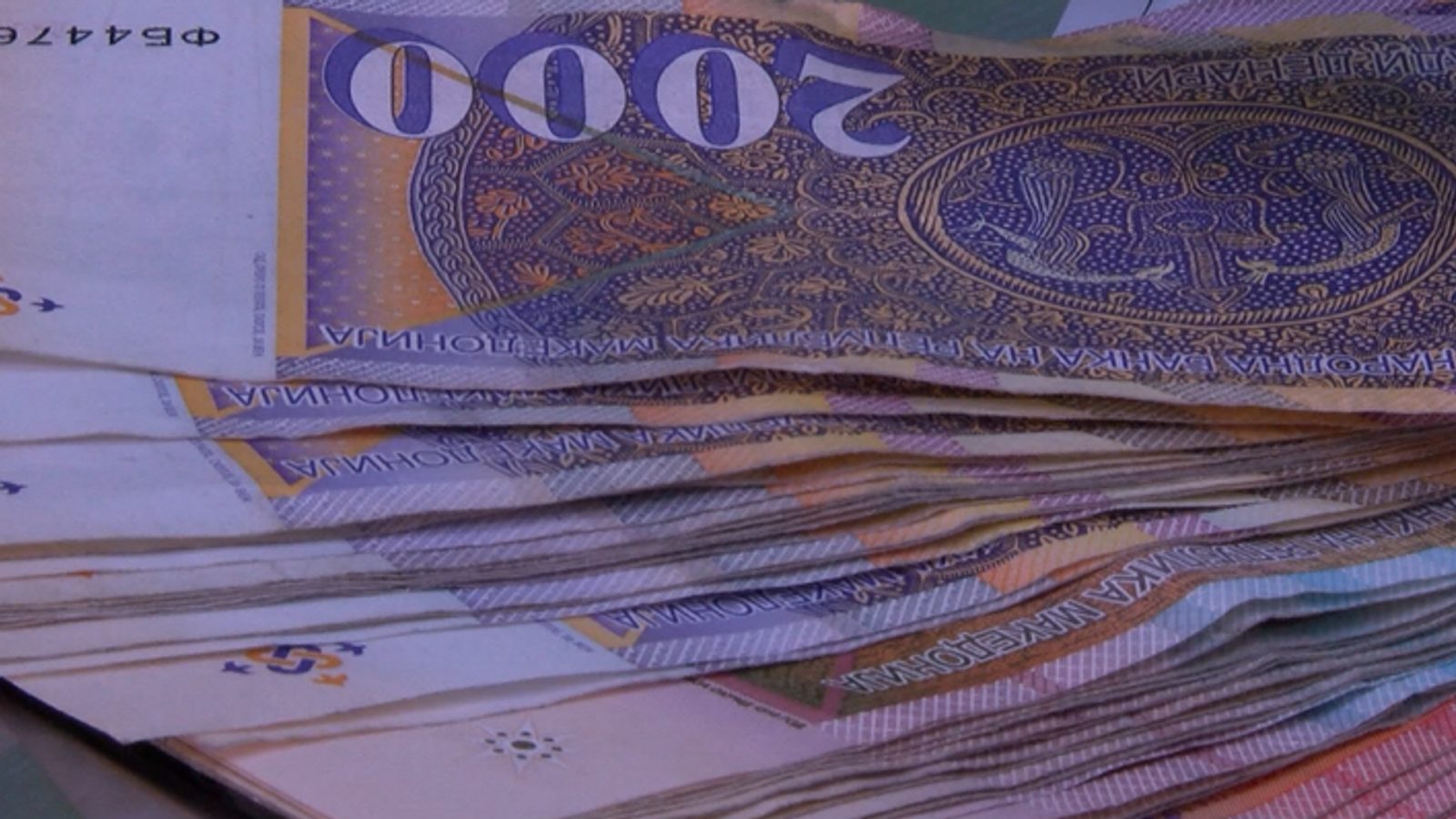
The minimum wage in North Macedonia remains at 26,000 denars after a parliamentary proposal to raise it to 36,000 denars failed to secure enough support, opening a fresh political confrontation over who represents workers' interests.
Parties exchange accusations as unions call for higher pay
SDSM tabled the proposal to increase the minimum by 10,000 denars, but most MPs present in the Assembly did not back the measure. The last statutory rise was in March, when the minimum wage was increased by 1,600 denars under automatic legal adjustment.
SDSM representatives criticised parties whose deputies rejected the plan and singled out Levica for not supporting the measure, recalling the leftist party's pre-election promises on labour rights.
"They promised a minimum wage at the level of two-thirds of the trade union consumption basket. A median wage, meaning payment from the first to the seventh. Double per diems for weekends and holidays. Abolition of the privilege for salaries above 10,000 euros. When the law for a 600-euro minimum wage arrived, Levica did not vote," said Bogdanka Kuzeska, SDSM.
Levica dismissed the criticism and urged SDSM to focus on its own record. The party says SDSM and VMRO-DPMNE have long pursued business-friendly policies, while Levica continues to propose laws to protect workers.
"The absurdity is that SDSM's law envisaged that the money for the increase would come from the state, while the profit would remain with the bosses. Levica is focused on the legal fight against this abnormal government. We proposed a law to preserve sick leave and we have other laws on quality of life in procedure. We have no intention to deal with the business party SDSM," Levica said.
The Union of Trade Unions of Macedonia (SSM) urged more respect for workers' pay. SSM president Slobodan Trendafilov warned that many employees receive wages below average.
"According to Public Revenue Office (UJP) data for 2025, half of workers in Macedonia earn below the average wage. More than one third of workers earn less than 31,200 denars, which is the poverty threshold. They go to work, and yet they are poor," Trendafilov said.
Photo: press material from the event