Can mandatory private pension funds be nationalized? Fund managers urge reform, not seizure
Pension firms say nationalisation would provide only short-term fiscal relief and call for multifund and regulatory reforms instead.
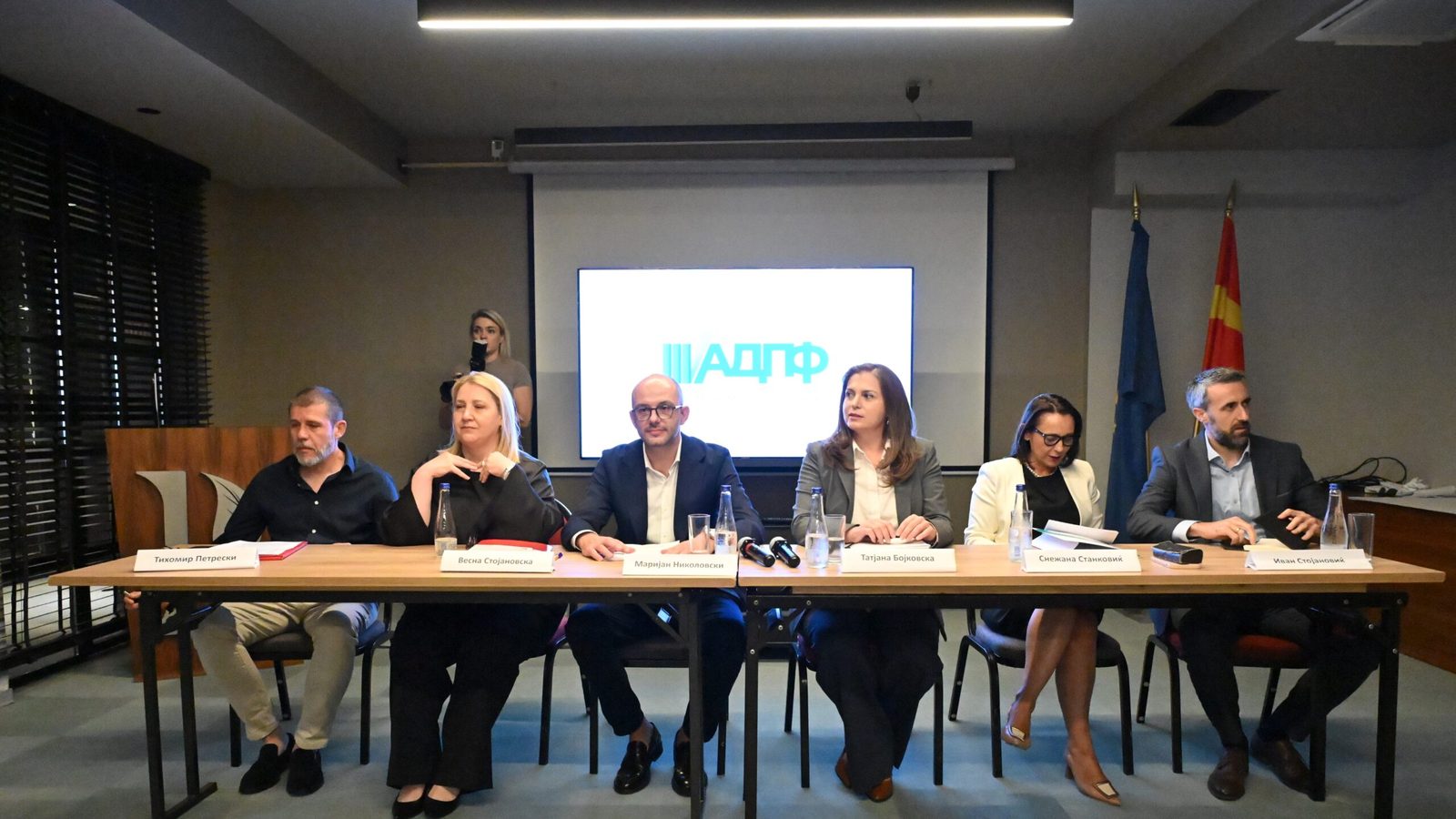
After the statement by Prime Minister Hristijan Mickoski that "a large part of the users of the second pillar will not be satisfied with what they will see in their accounts", the question has again been raised whether the state can or should take over the assets of the private mandatory pension funds and transfer them to the PIOM Fund.
The companies that manage the pension funds held a press conference today and publicly opposed the idea of nationalization. They warned that this does not represent a solution to long-standing challenges and that the focus should be on reforms that will develop the system forward, not push it backward.
According to the data they presented, as of 30 June, 637,977 insured persons are members of the mandatory pension funds, and the number of people who are already receiving a pension from the second pension pillar is 146. The system has been operating since 2006 and is gradually maturing; "The average return achieved by the mandatory pension funds is more than 5.5% per year. Over the past 20 years, one billion euros have been realized from returns, an added value that has been distributed to the members' individual accounts," said Vesna Stojanovska, vice-president of ADPF.
What would a potential nationalization bring?
Snezana Stankovic, chair of the Management Board of Sava Pension Company, explained the limitations of such a move with numbers and analyses. She said: "The analyses we conducted show that if the assets are nationalized, this will not provide long-term stability for the pension fund. Around 65 percent of the assets are in bonds, which means 35 percent are liquid, and if they are sold all at once, that will affect the price; but if their value is optimally realized, that would cover the budget deficit for a year and a half, for less than two years. If we also convert the bonds into assets, that would reduce the budget deficit for three years."
Marjan Nikolovski, president of ADFP, emphasized that "experiences from countries where a certain type of nationalization was introduced have shown that it is not a solution to the problem" and added that the demographic structure and economic conditions create additional pressure: "Now the ratio between employed persons and pensioners is 1.6, or 1.7 employees per pensioner." He stressed that life expectancy is increasing and that the standard of living is rising, which requires developmental measures for the system.
Nikolovski proposed a development agenda that includes regulatory changes: introducing multifunds, adjusting investment limits and the list of permitted instruments, as well as encouraging voluntary pension insurance. According to him, such steps can bring higher long-term returns without jeopardizing the security of the most vulnerable members.
Tatjana Bojkovska, secretary at ADPF, pointed to practical examples from abroad and emphasized the benefits of the multifund approach: "The operating principle of multifunds is such that the portfolio for the youngest would be directed toward riskier investments, but with higher returns. Experience from Croatia shows that that portfolio for young people achieved a return of 8.49 percent." In the end, the sector reiterated that it is against nationalization and called for concrete reforms that will strengthen the sustainability of the second pillar.
Photo: press material from the event