At the start of the school year: low scores, fewer pupils and first tablets in North Macedonia's education
Minister Vesna Janevska admits weak national and international test results, promises annual teacher pay rises and says reform effects will appear only after several years.
The new school year in North Macedonia opens with familiar challenges: low test scores, shrinking cohorts of first-graders and an early push to introduce digital tools in classrooms.
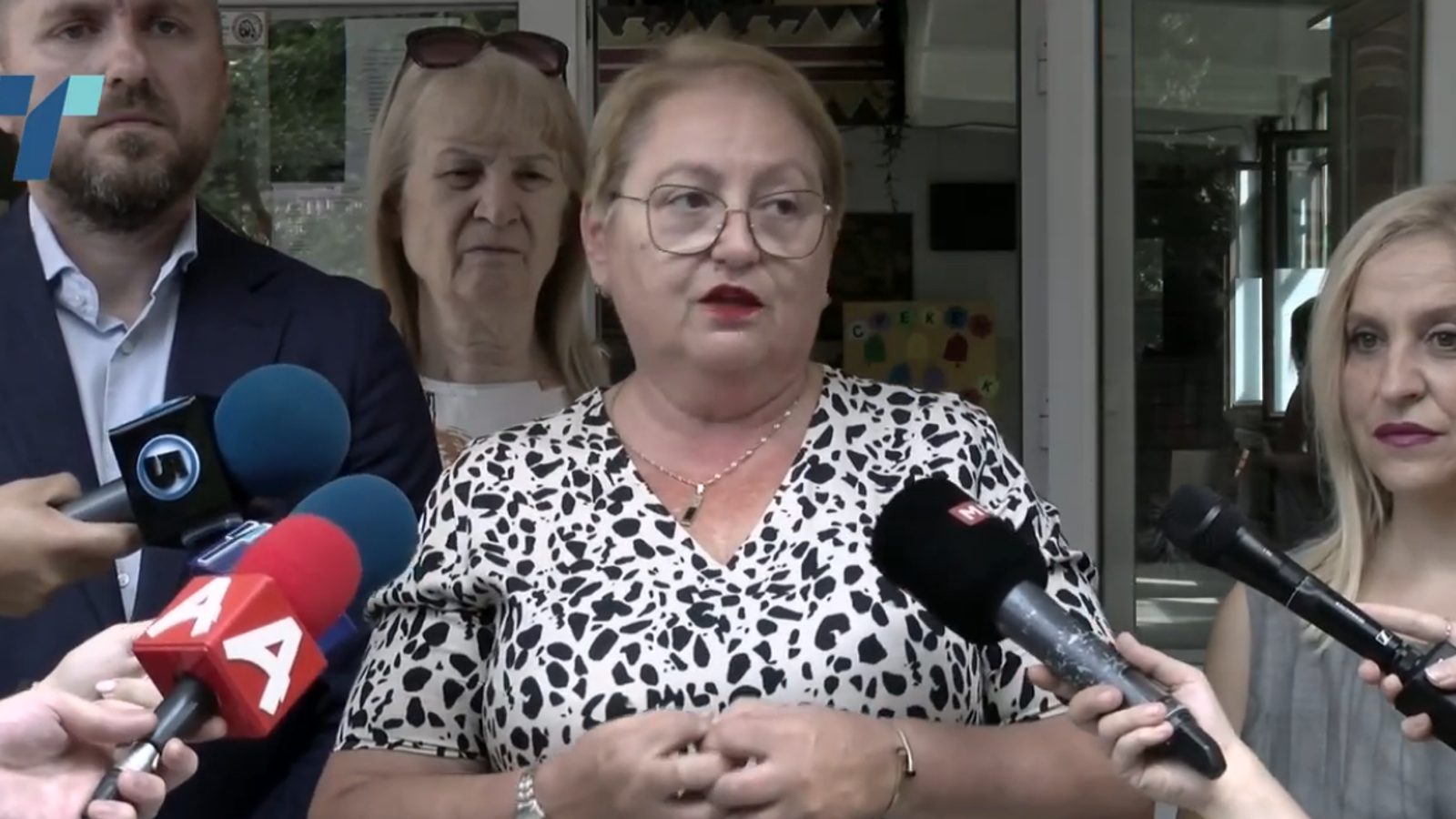
Education Minister Vesna Janevska acknowledged that students perform poorly on both national and international assessments and pointed to United Nations research that places Macedonian results below global averages. She said authorities are implementing measures, but stressed that visible improvements will take years.
Timelines, salaries and union deal
“We take measures, but I say we cannot expect results from today to tomorrow. The results of what we are doing in education today will come at the earliest after five to six years, and optimally after nine to ten years,” the minister of education and science Vesna Janevska said.
Janevska also highlighted a pay agreement with the teachers’ union SONK. “We signed an agreement with SONK in which we guarantee teachers' pay increases, which I consider extremely important. Because earlier there were signings, arrangements, agreements, there would be, there would not be, we even had a strike. In this case they are secure and should not worry about salaries; salaries will increase every year. Next year in March teachers' salaries will be increased again,” she added.
International data underline the scale of the learning gap: according to UNICEF, only 34 percent of pupils reach the basic level in mathematics. At the same time, domestic surveys note that Macedonian teachers are motivated but receive some of the lowest wages in the region.
Demographic decline remains a structural problem: year by year fewer children enroll in first grade. This school year authorities also closed 26 branch schools, a decision the minister said was necessary so that children from those localities can access better learning conditions and wider social opportunities.
Digitization is slowly entering classrooms: today the first 30 tablets were distributed to fourth-graders at Primary School "Ljuben Lape". Artificial intelligence, however, is still outside formal lessons, and officials say its classroom use will require further planning.
Photo: press material from the event