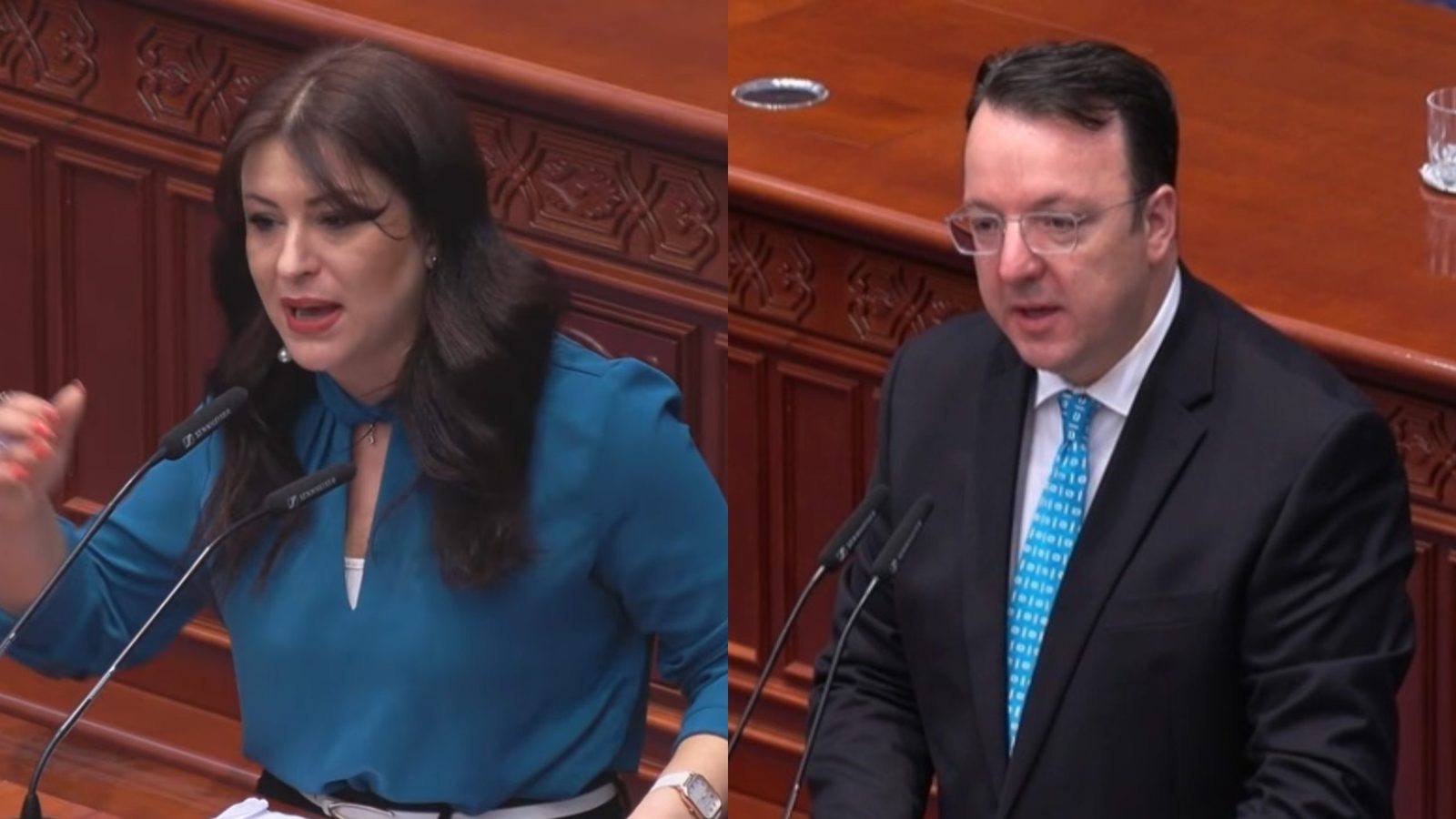
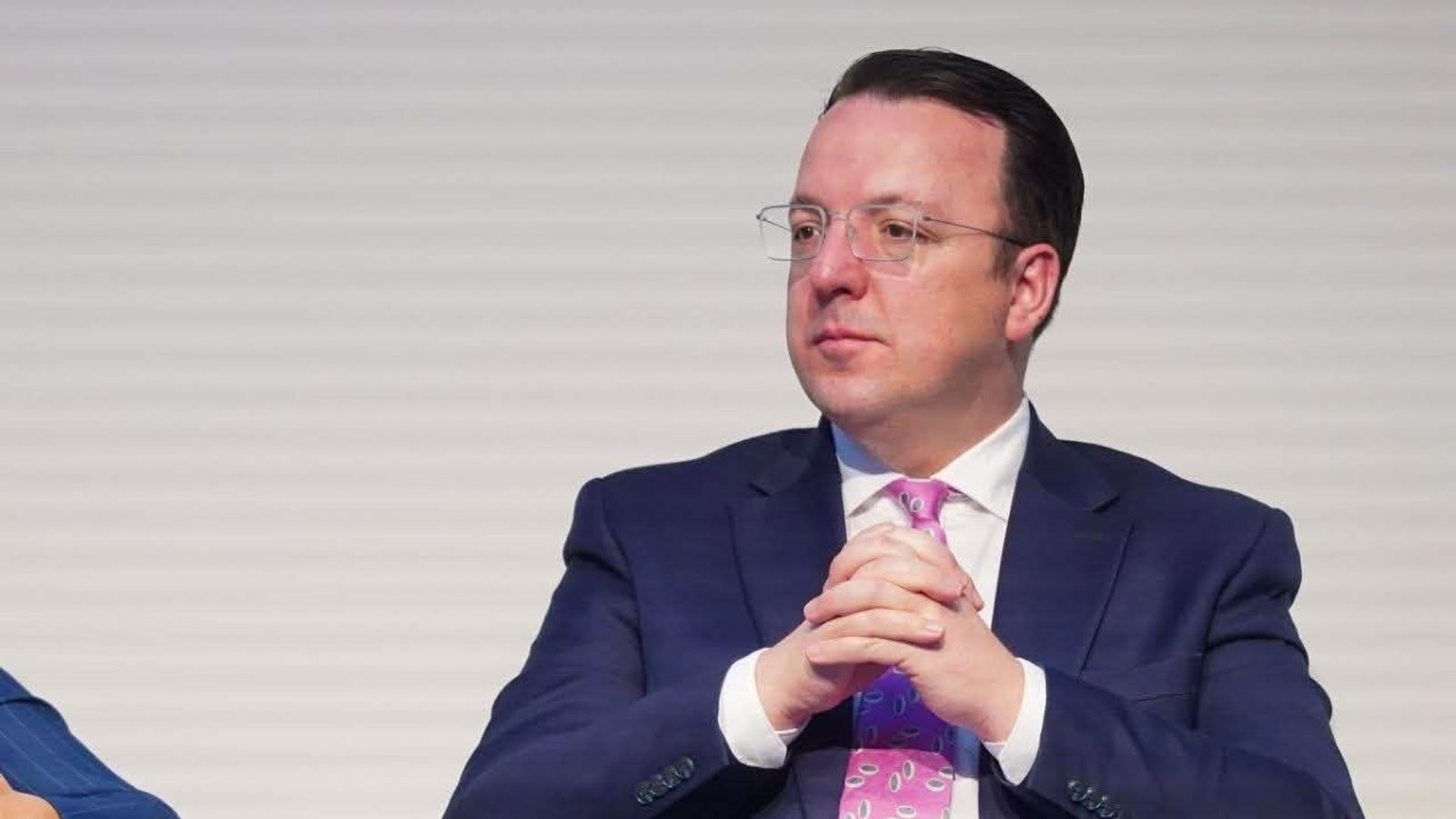
Nikoloski: Electronic tolling being considered, first on Kičevo–Ohrid
Minister says per‑kilometre electronic tolls are being considered for the new Kičevo–Ohrid motorway and work is under way on a state national data centre.
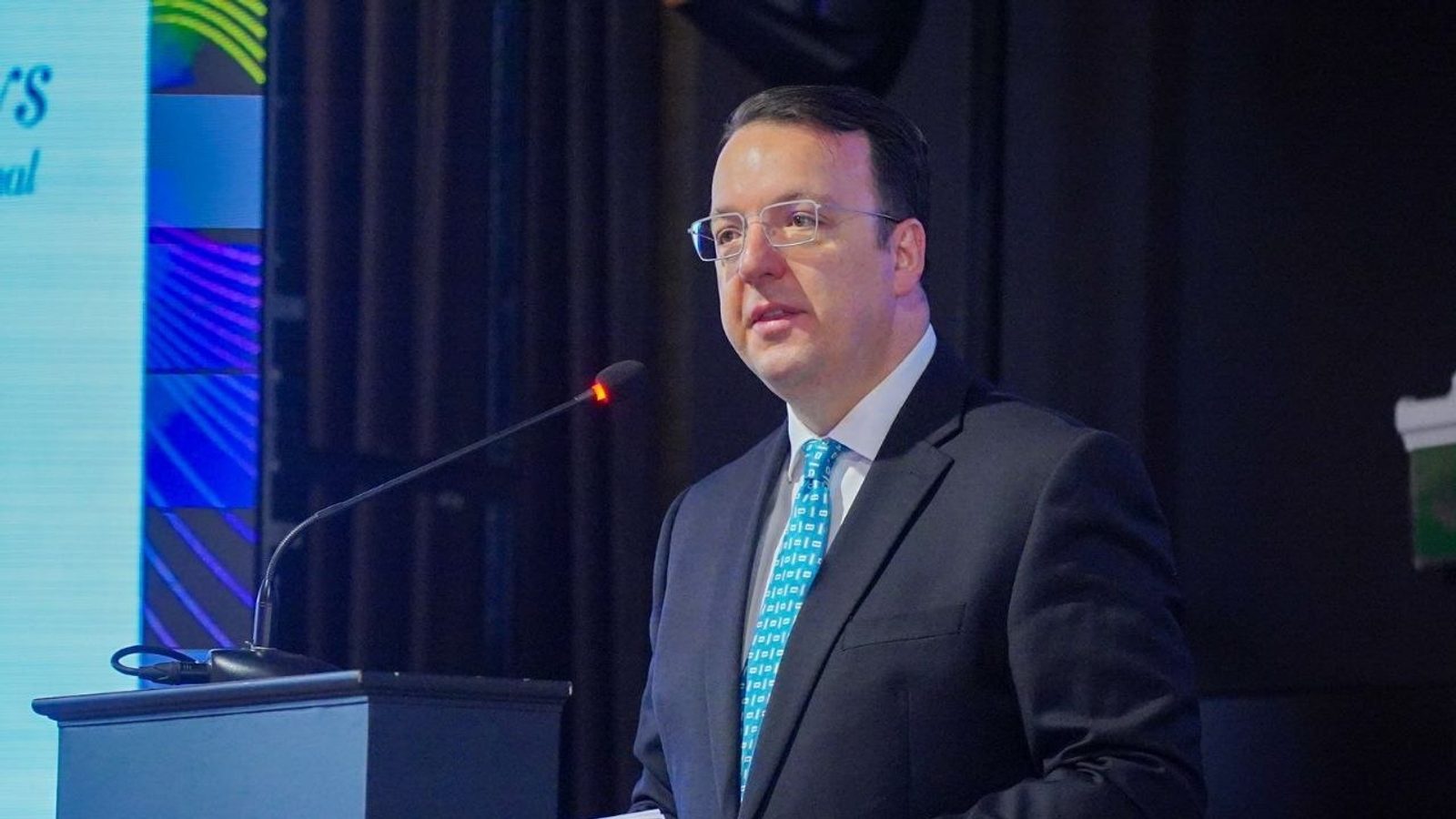
Transport Minister Aleksandar Nikoloski said the government is considering introducing electronic toll collection, initially on the new Kičevo–Ohrid motorway, which is expected to open fully in May next year.
Speaking at the 21st MASIT conference on artificial intelligence, Nikoloski said the planned system would likely charge drivers by kilometre and that expert assistance will be sought to draft the necessary law.
How the toll and legal work will proceed
Nikoloski said the electronic, per-kilometre model could speed vehicle flow, reduce costs for frequent motorway users and improve safety by lowering the risk of traffic accidents. He added that he had met the new president of the European Transport Community and that their expertise would be used in preparing the legislation.
“Croatia in the region is trying to apply this system, but has not yet started it. At the moment the Belgrade bypass is beginning implementation and that is roughly all we can see in the region. Therefore we need experience from more advanced European countries and that is why I thought it useful to invite them, to present our idea and to include experts from the European Transport Community who, together with our experts, will work on this law,” Nikoloski said.
He expressed hope the draft law could be presented in December. Nikoloski argued that charging by distance would be fairer than the current flat payments at toll booths, and gave an example why the existing practice penalises drivers from some towns.
“Our idea is to charge per kilometre, which will be much fairer than what happens now, because now theoretically, if you start from Demir Kapija and go to Gevgelija, you pay 100 denars at the Smokvica toll, and if you start from Skopje towards Gevgelija, at the same toll you again pay 100 denars, which for the residents of Demir Kapija is unfair and unjust. And therefore we believe it should be charged per kilometre travelled, which will significantly reduce the price,” he added.
Nikoloski said the kilometre-based model would be rolled out first on Kičevo–Ohrid and later extended to other motorways under construction, including Prilep–Bitola, Bukojčani–Gostivar, Gostivar–Tetovo and Kičevo–Bukojčani.
On the digital development front, Nikoloski stressed that investment in data centres is a sound economic policy. He said planning and legal changes have already been made to allow such capacities and announced work with the Ministry of Digital Transformation on establishing a first state national data centre.
“In that direction, together with the Ministry of Digital Transformation we are already working on the development of the first national state data centre. We have already passed all the major decisions as a government and the two ministries are already working on urbanization of the area and completing the legal framework, after which the investment will follow which will be a state confirmation and a state indicator where things should develop, and I hope that in a short time we will be able to have it as an investment and the first larger private data centre,” he said.
He invited the business sector to submit ideas for public–private cooperation. Nikoloski also noted that Intelligent Transport Systems (ITS) are part of obligations under the EU Growth Plan and said five laws in the transport ICT package are at final consultation in Brussels this week.
According to the minister’s timetable, an ITS on Corridor 10 from Tabanovce to Gevgelija should be implemented by the end of 2027 or early 2028, followed by work on Corridor 8. In rail, five laws are in public consultation under the ENER system, and the government has decided to adopt the EMTC S2 system for the high-speed line on Corridor 10 to minimise human factor risks and raise safety standards. He also said work is progressing on a national one‑stop shop and a new system to digitalise the road-toll fee collection.
Photo: press material from the event