Supermarket consolidation in North Macedonia: will food get cheaper?
Five leading chains had almost €1 billion turnover and €20 million profit last year; experts say consolidation improves supply but may not lower prices.
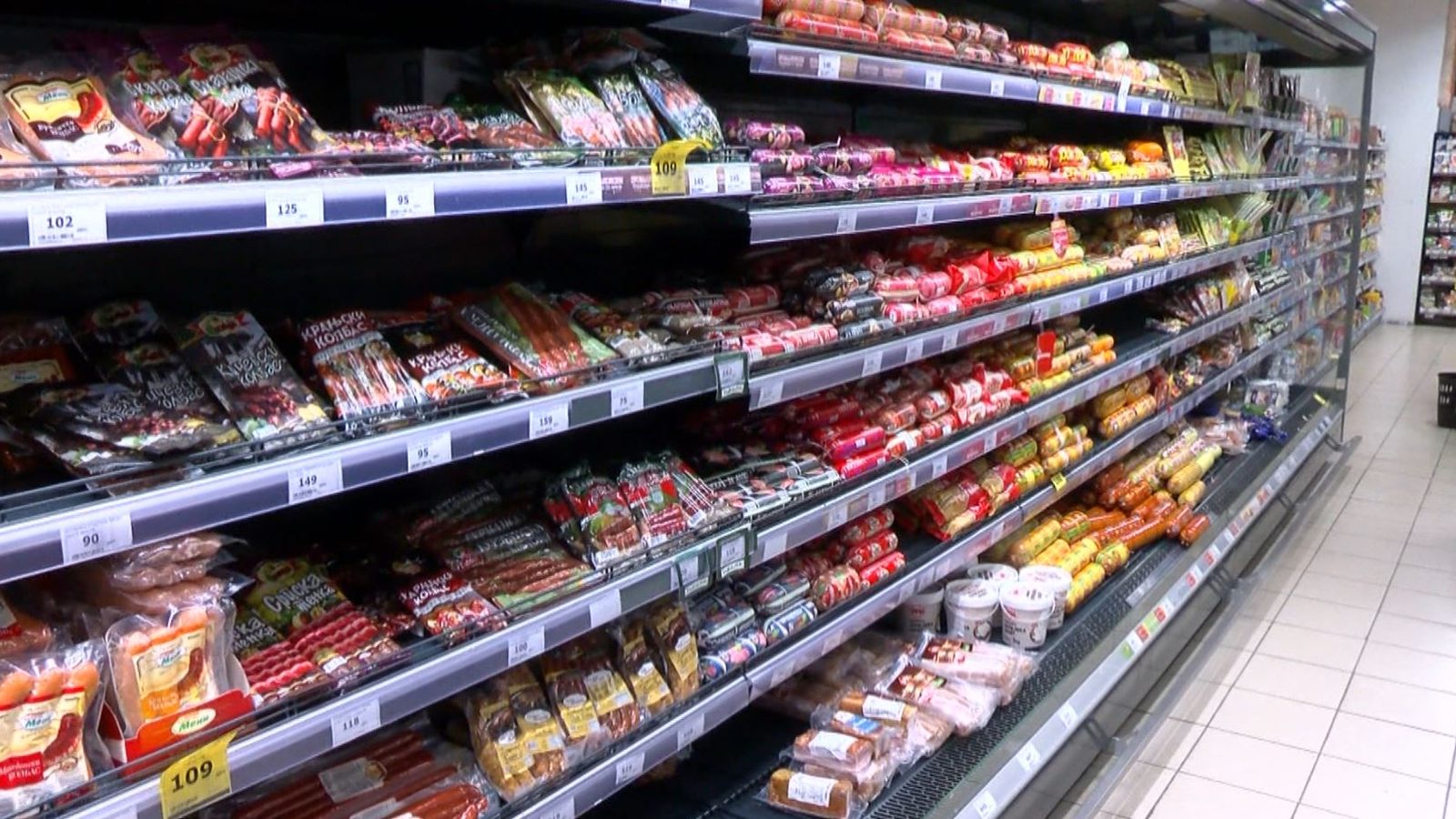
The five most profitable supermarket chains in North Macedonia recorded nearly €1 billion in turnover last year and posted a combined profit of €20 million, according to data shared with our newsroom. At the same time, the market is undergoing consolidation and seeing the arrival of foreign players — developments that change supply and quality, but whose impact on consumer prices remains uncertain.
Consolidation has widened the variety of articles on offer and pushed some domestic producers to raise production and quality standards to meet retailers' requirements. That effect, experts say, can benefit shoppers by improving product availability and standards.
Will larger chains lower prices?
“A brutal efficiency will be imposed in the production and placement of domestically produced goods, and I believe that's a plus for consumers in the domestic chains and in the new ones that will enter the market. One major downside, I consider, is the tightening of competition on the market, because these takeovers of supermarkets will continue and consumer choice will be reduced. I'm not convinced that we will see a large price difference in products, because we already have dominant players on the market who are discounters and who operate with low prices,” says Dejan Manev, an expert in retail network development.
Household spending data show that more than one third of family expenses go on food and beverages — a share that is shaped not only by consumption patterns but also by inflationary pressure.
Although headline inflation appears relatively stable — standing at 2.7% year‑on‑year in September — price movements within the food basket vary considerably. Meat is up 6.4%, milk, dairy products and eggs are up 3.6%, and oils and fats have risen by 7.1%.
Analysts say that while consolidation can generate efficiencies and broader product ranges, it does not automatically translate into lower consumer prices because market structure, the presence of dominant discounters and ongoing corporate strategies determine final shelf prices.
Photo: press material from the event