Pelister National Park: infrastructure upgrades, 58M€ gondola plan and conservation challenges
The first national park, visited by around 50,000 people yearly, is upgrading trails while balancing a proposed 58 million-euro gondola and forest recovery.
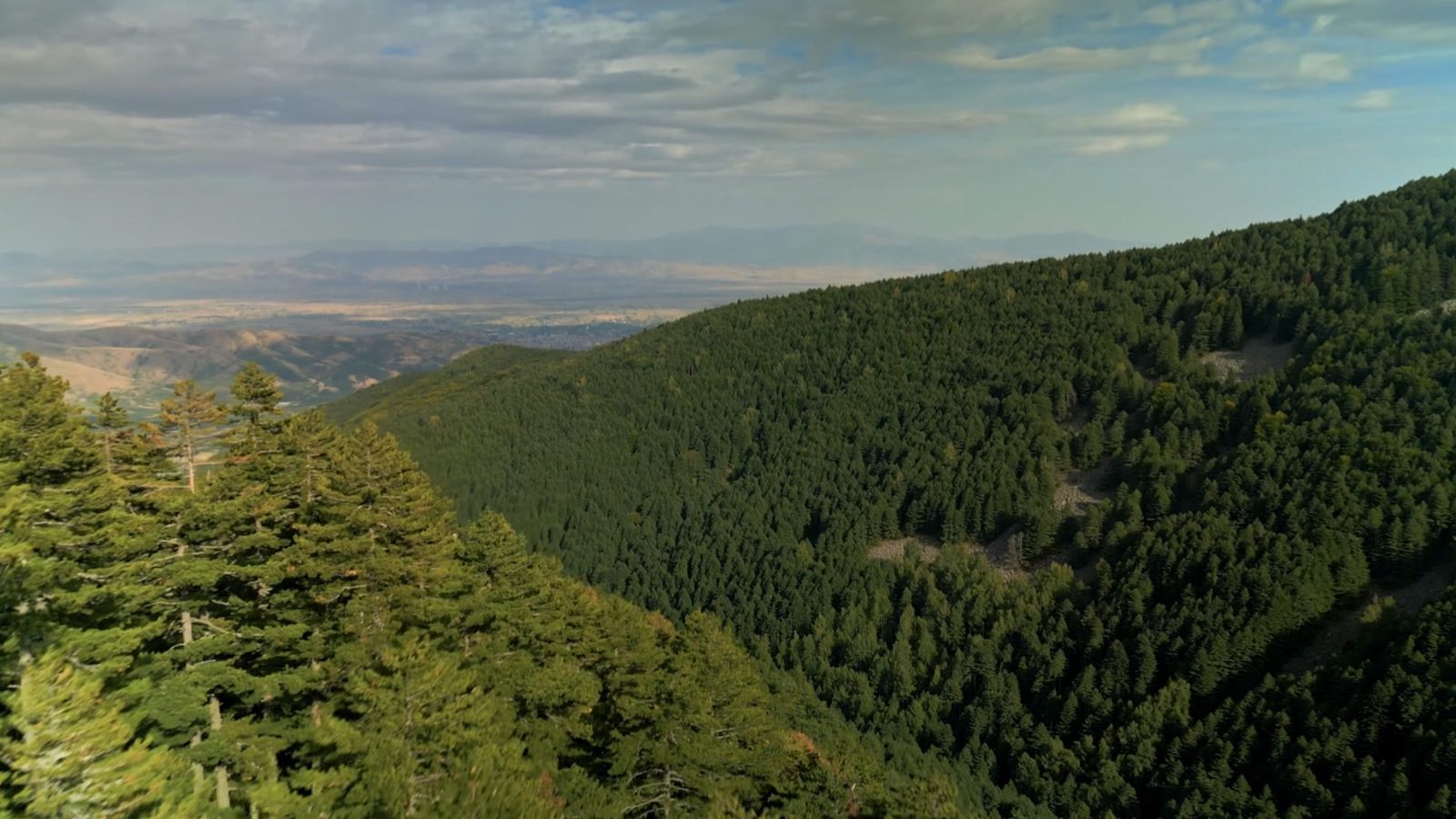
About 10 kilometres from Bitola the urban bustle gives way to dense molika pine forests, cool mountain air and the landscape that for decades has made Pelister one of the most recognisable natural places in the country. Designated as the first national park in the country almost eight decades ago, Pelister still draws scientists and thousands of visitors each year.
The park authority has recently focused on renewing tourist infrastructure — marked trails, information panels and the upkeep of the most visited spots — to make the mountain easier and safer to experience. In the park’s heart stands Hotel Molika, the largest accommodation on Pelister, expecting an increased number of domestic and foreign guests.
New access plans and the challenge of protecting the forest
Pelister is increasingly popular with hikers, cyclists and nature lovers. The park records about 50,000 visitors annually. Access remains one of the recurring complaints: better road infrastructure would mean easier arrival and likely more visitors.
Planned investment includes a gondola from Capari to the Antenna, estimated at more than 58 million euros. "Our proposal is that the gondola should start from the Capari area, from a location to be determined. The first section would be a gondola for 10 people to the Hunting Lodge, and from there a larger gondola, with a capacity of 80 people, to the Pelister peak. A small bar or restaurant is planned at the intermediate station, while a larger restaurant would be built by the Macedonian Radio-Television building at the summit. That infrastructure would be used throughout the year. For visitors, a rotating viewing platform is envisaged, which will provide a 360-degree panoramic view," said Franc Furlan, an expert on cableways from Slovenia.
Experts stress that development must go hand in hand with conservation. Last year’s severe storm damaged large parts of the old molika stands; many trees were harmed and the immediate priorities are establishing a new forest management plan, clearing damaged areas and encouraging natural regeneration.
Responsibility for keeping Pelister intact does not rest only with institutions. It begins with each visitor, a point underscored by Sweden’s ambassador. "On an individual level, perhaps Swedes can teach Macedonians not to litter — in the forests. In North Macedonia there may be better fruit and vegetables than in Sweden, but we are better because we do not throw rubbish in nature. That is the lesson that can be learned from the Swedish people," said Ola Solstrom, Ambassador of Sweden to North Macedonia.
Pelister is home to rare species and remains one of North Macedonia’s most valuable natural assets. The combination of infrastructure renewal, careful planning for new projects and public awareness will determine whether the park can develop while preserving what makes it unique.
Report: Emilija Misirlievski
Camerawork: Zlatko Josifovski
Photo: press material from the event