Saint Paraskeva (Petka): what Petkovden means and which customs to observe
October 27 (October 14 old calendar) is Petkovden: what the feast commemorates and which customs families still observe
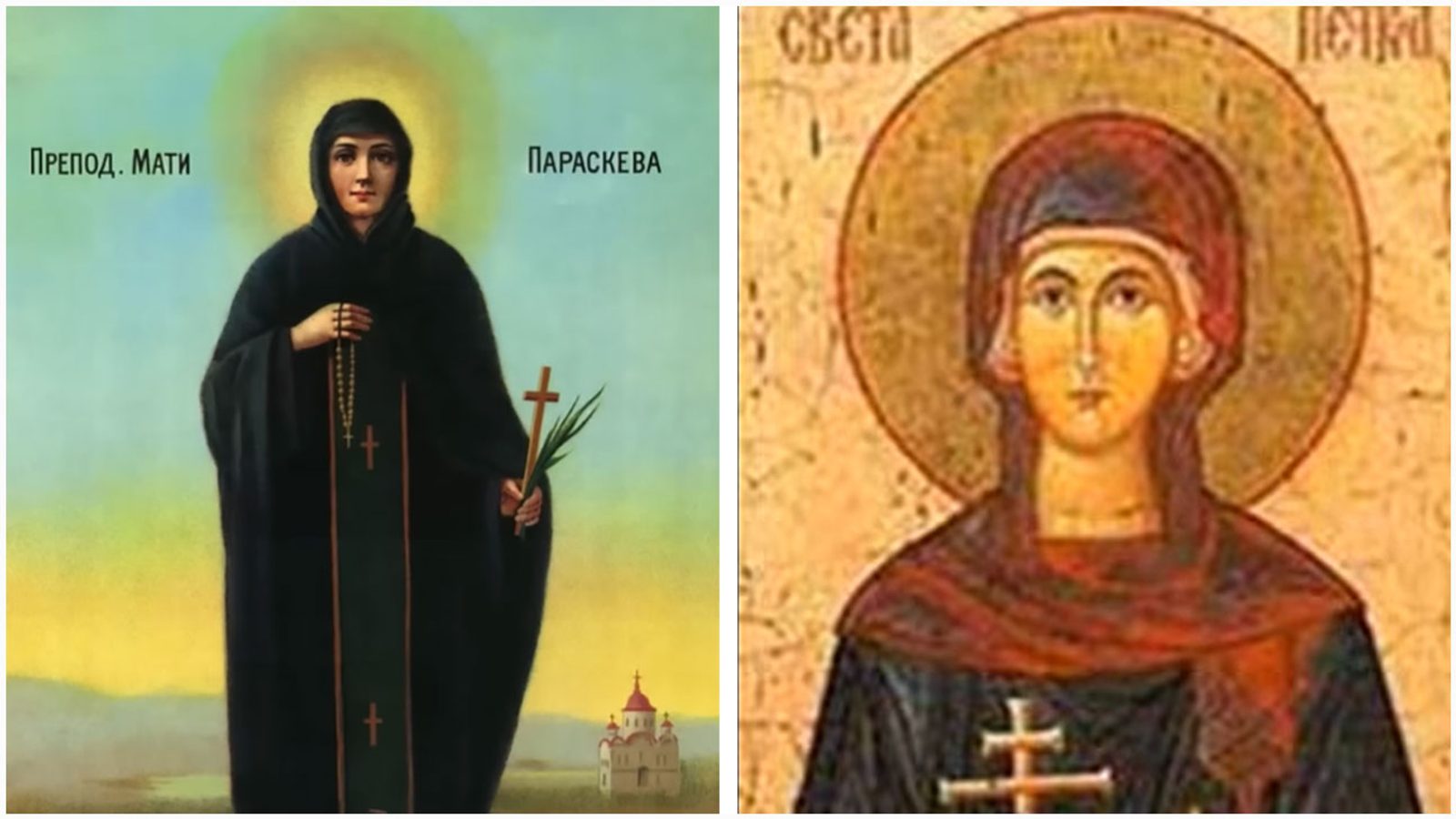
On October 27, Orthodox Christians mark the feast of Saint Paraskeva — commonly called Saint Petka — a day that in North Macedonia is bound up with household rituals, pilgrimages to healing springs and traditional gatherings known as petkovden celebrations.
Devotion to Saint Paraskeva is widespread across the country: she is regarded as a protector against illness and misfortune, and many families hold home services, receive guests and visit local shrines. The day is also a name-day for Petko, Petkana, Paraskeva and Penka.
Three saints, one popular figure
The Orthodox calendar commemorates three different saints named Paraskeva (Petka), and popular memory often blends their stories into a single figure. The most commonly identified is Paraskeva of Epivates — known in folk tradition as Petka of Tarnovo — whose memorial is observed on October 27 (October 14 on the old calendar). The other two are Paraskeva the Roman martyr, remembered on July 26 (August 8 new style), and Paraskeva of Iconium, remembered on November 10 (October 28 old style).
According to the hagiographies, the Epivates saint withdrew to the Jordanian desert, lived an ascetic life and later returned to her homeland. As the story goes, an angel told her in a vision: "Leave the desert and return to your homeland, for there you must leave your body on earth, and with your soul pass to the Lord." Her relics were moved several times in the medieval centuries — through Tarnovo, Wallachia, Belgrade and Constantinople — before finally resting in Iași, where they remain today.
Local customs vary: in some villages Petkovden marks the start of the winter round of saints' days that include Mitrovden, St. George and St. Nicholas; in others it is linked to seasonal tasks such as shepherding or to regional fairs. Many healing springs bear the name Petkovtsi or Petkovden waters. For believers, the feast combines respect for tradition with hopes for health and protection in the coming months.
Photo: press material from the event