Germany sees both continuity and new dynamics after US midterms
Berlin says Democratic gains may ease bipartisan support for Ukraine but warns US unpredictability persists.
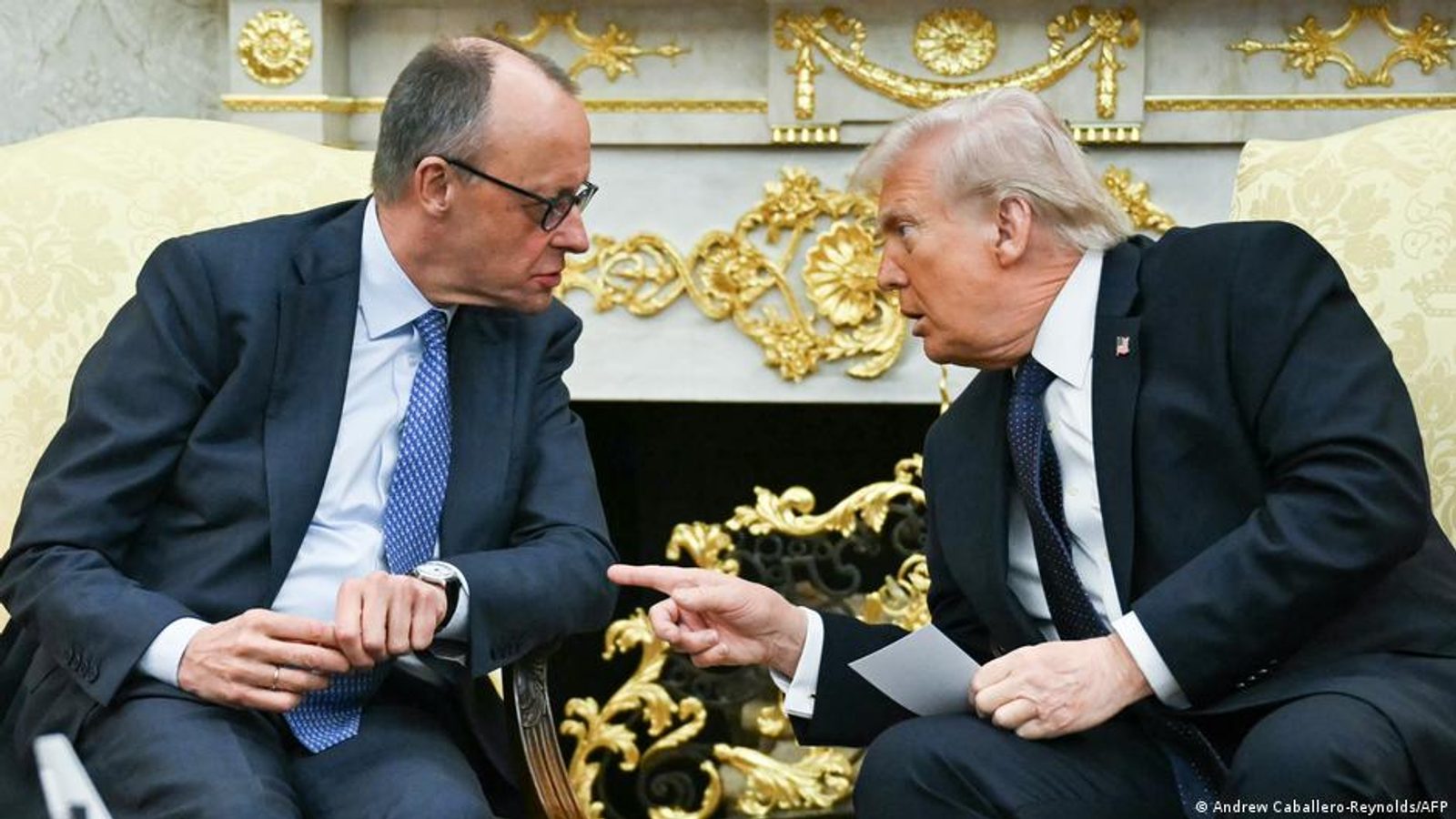
On November 5, 2026, US midterm results delivered a clear message to President Donald Trump: Democrats regained control of both the House and the Senate, while Trump remains in office and retains broad executive authority on foreign policy. German leaders greeted the vote with a mixture of guarded optimism and continued caution about Washington's unpredictability.
German officials stress continuity, warn of limits
The federal government in Berlin declined to offer a sweeping analysis but emphasized partnership. A government spokesperson said, "We will continue our close cooperation with the United States." Chancellor Friedrich Merz’s administration signalled it still seeks a "stable international order, rules‑based trade and a strong NATO," even as leaders acknowledged the election changes could shift congressional dynamics.
Vice‑Chancellor Lars Klingbeil congratulated the Democrats on what he called "a convincing victory" and added that "that inspires confidence." He said the result had opened space for a different civic centre and underlined that "our hand is extended" toward Washington.
Foreign Minister Johan Wadephul (CDU) said the vote could create "new momentum" for support to Ukraine. "I am more optimistic that in Congress there will now be more bipartisan discussions about what can be done together to support Ukraine," he said, adding: "I think that for some time they were restrained there because of the election campaign, but I know there are staunch supporters of Ukraine in both houses of Congress and within both parties." He described the outcome as "both continuity and change" and warned Berlin would seek tight coordination with Washington "given the global challenges, but also the deep ties between Germany and the United States in areas such as defense, collective security, the economy, technology and science, it is clear that it is in our interest not to let potential rifts grow too large."
Defence Minister Boris Pistorius (SPD) stressed that Europe must strengthen its own pillar within NATO. "That depends a bit on the plans of the American president after the elections, and those are not known to us," he said, noting that "for years, the United States has increasingly directed its strategic focus to the Indo‑Pacific and other regions of the world," and arguing that NATO must become more European "so that it can remain transatlantic."
Conservative MP Peter Beyer warned that Trump's remaining time in office could still bring assertive foreign moves. "I think that from today on he will primarily focus on his political legacy," Beyer said, noting Trump still wields ""significant"" executive power and predicting, controversially, that "I think we can be fairly certain that soon we will witness another joint attack by the United States and Israel on Iran."
Across the political spectrum, reactions differed. CDU foreign‑policy expert Norbert Röttgen saw a chance for greater openness from the president — "A dynamic has occurred which, in my assessment, he cannot and will not completely ignore" — but warned that "Trumpism" remains. Green co‑leader Franziska Brantner called the result "a fantastic victory for the Democrats," while urging Europe not to relax: "On the contrary, we really must concentrate on Europe and our strength" and "that means we are responsible for ourselves." Left Party figures demanded Berlin take a firmer line toward Washington, criticizing the government for having effectively "subjugated itself to Trump instead of showing a firm stance." The AfD alone lamented the Republican losses and emphasized ideological affinities with the GOP.
Former foreign minister Sigmar Gabriel cautioned that a Republican defeat could increase domestic pressure on Trump and possibly make him "even more aggressive on the international stage." For now, Berlin’s leaders say they will pursue close coordination with Washington while preparing for both continuity and change in transatlantic relations.
Photo: press material from the event