Snap elections debate returns as Mickoski signals readiness
Prime Minister Hristijan Mickoski offered to accept a request for early elections; analysts warn about past patterns and the political rationale for cutting a mandate short.
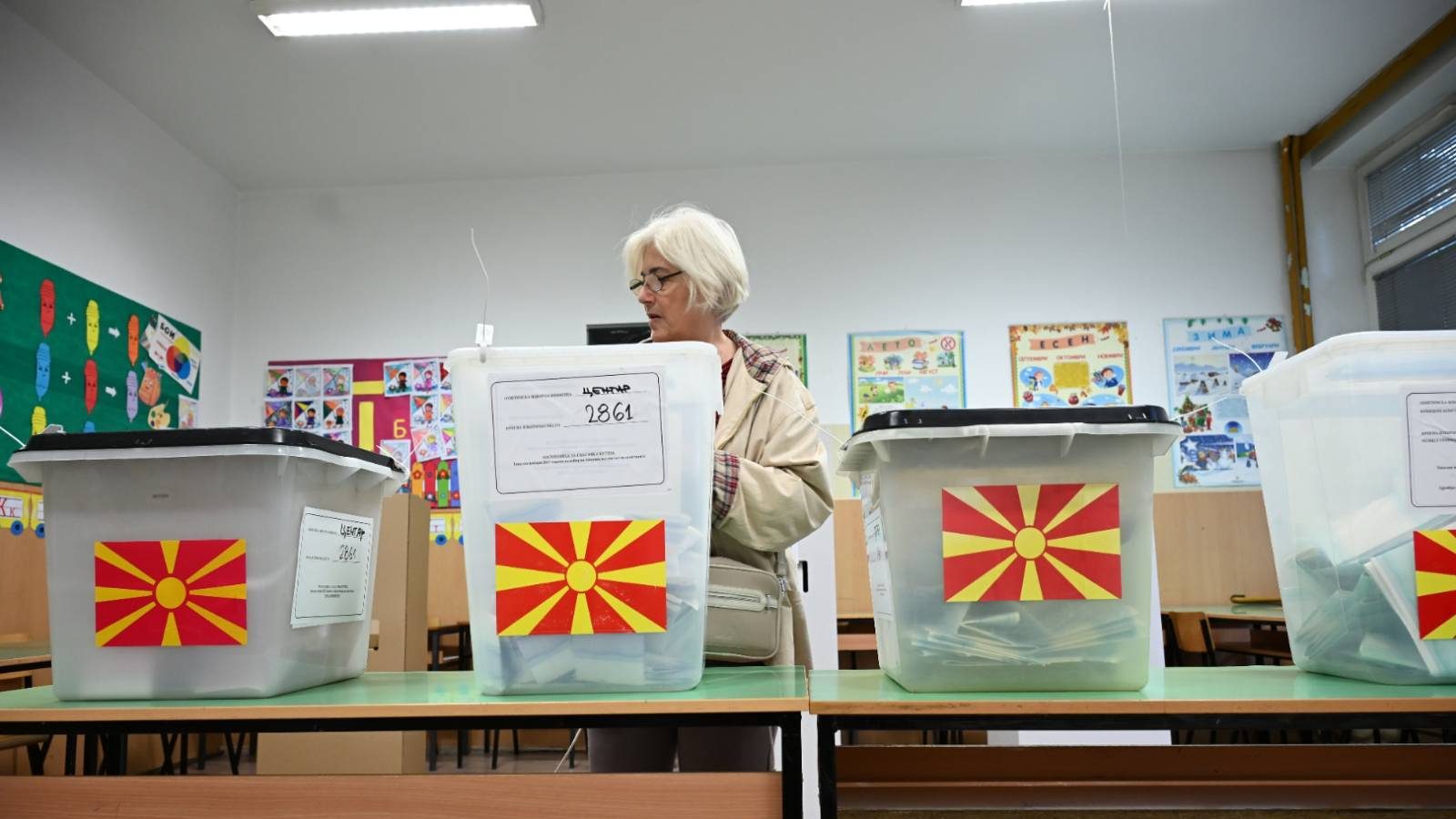
The debate over whether North Macedonia should hold snap parliamentary elections has returned to the center of public attention after Prime Minister Hristijan Mickoski said the government would positively consider such a request if the opposition deems early elections necessary.
Responses from opposition parties were mixed: some embraced the idea while others kept their distance. Behind the partisan exchanges, analysts say, lies a deeper question about when calling early elections is a democratic remedy and when it becomes a political reset that cuts short a mandate before its results can be fairly assessed.
Constitutional framework and recent history
Parliamentary elections were held on 8 May 2024. Under the Constitution, members of parliament are elected for four-year terms, but the Assembly can be dissolved if more than half of the total number of MPs vote for it. In that case, new elections must be held within 60 days of dissolution — meaning there is a clear legal path for snap elections, while the central question is the political rationale for using it.
University professor Jove Kekenovski warns that snap elections have often been used as a way for parties to secure a fresh four-year mandate rather than complete the programmes they ran on. He told reporters: "In the past, elections were not just an alibi in case parties did not fully implement the offered programme, but also a way to secure an additional, new and guaranteed four-year mandate. Sometimes this was done even halfway through the mandate. We had such situations especially during the time of Nikola Gruevski, when snap elections were held five or six times."
Kekenovski added that the opposition frequently demands early elections even when it is not prepared to contest them effectively: "The opposition constantly calls for early elections, but often it turns out not to be ready. It uses that as an excuse before its membership, to mobilize them and to stay interesting in the public, in other words to gain some additional political point." He argued that frequent snap elections do not currently benefit VMRO‑DPMNE and that the ruling party needs room to implement its agenda, noting that recent EU reports have recorded certain achievements.
Political analyst Petar Arsovski said there is no convincing motive now for cutting a mandate short and that calling elections without such a reason would likely be seen as a political manoeuvre. Observers point to a pattern in which snap ballots have become a recurring option in tense periods: OSCE/ODIHR data show parliamentary elections were held early in 2008, 2011, 2014, December 2016 and July 2020 — five cycles in 12 years. The 2020 vote was originally scheduled for April but was postponed because of the COVID‑19 pandemic and finally took place on 15 July.
On the political front, party leaders continue to signal divergent positions: Ahmeti has described snap elections as "the best solution" and said they would be held next year, while others have publicly rejected the idea of going to the polls now.
Photo: Slobodan Gjurikj - Sloboden pechat