Nearly 40,000 people in North Macedonia may have undiagnosed diabetes, officials say
Authorities call for earlier screening, healthier school food and wider access to monitoring devices as World Diabetes Day falls on 14 November.
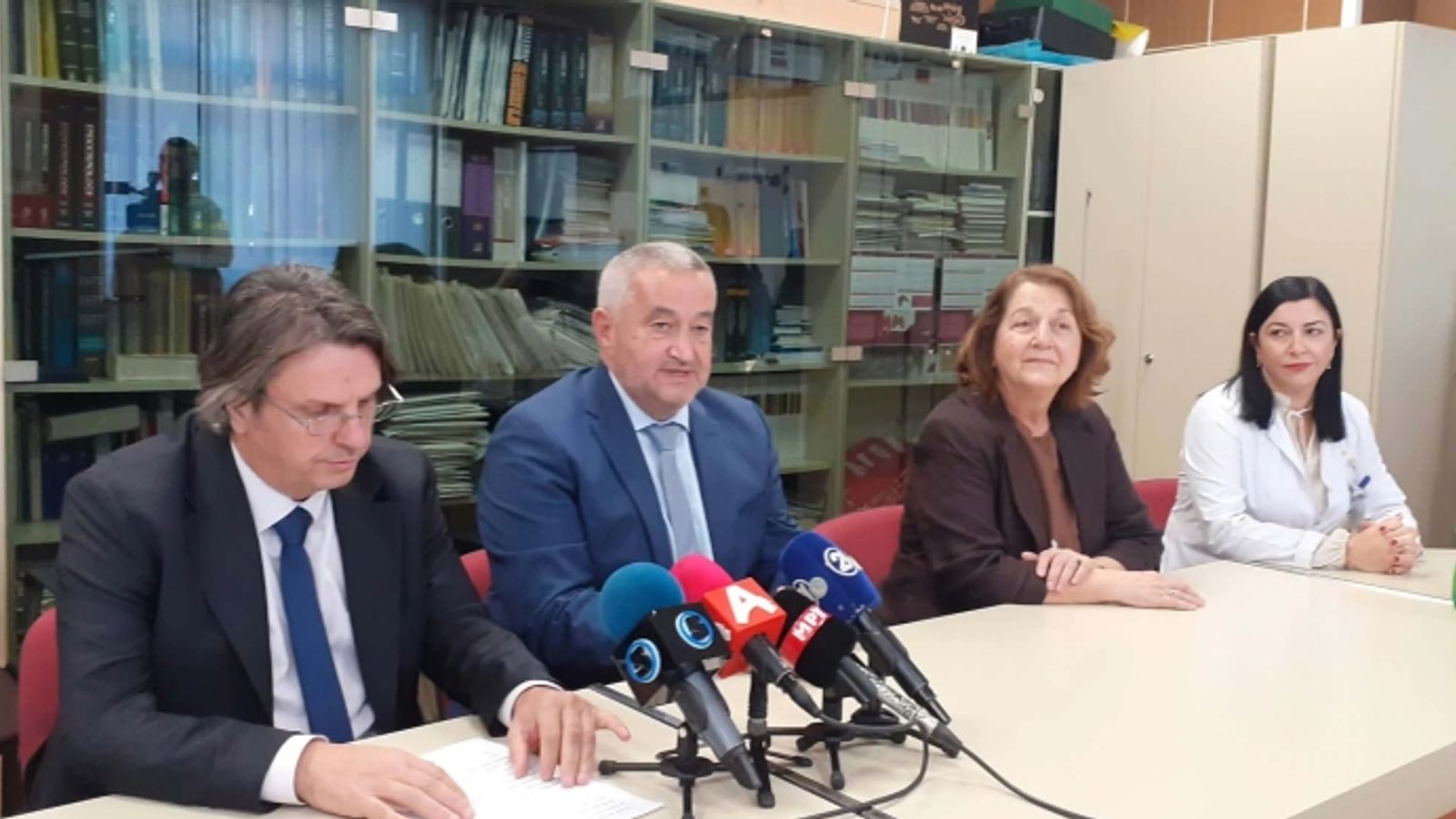
Health authorities in North Macedonia warned that an estimated 40,000 people in the country likely have diabetes but remain undiagnosed, and called for wider screening and prevention measures on the occasion of World Diabetes Day on 14 November under the slogan "Early action for diabetes." Officials said roughly 135,000 people in the country live with diabetes, including about 4,000 with type 1 diabetes.
Experts warn of late diagnoses and invisible symptoms
Professor Dr. Irfan Ahmeti, director of the University Clinic for Endocrinology, said diabetes is reaching pandemic proportions and that a large share of those affected are unaware of their condition. He cited International Diabetes Federation data showing 693 million people worldwide live with diabetes and that nearly 43 percent of them do not know they have the disease.
Ahmeti stressed that many patients with type 2 diabetes already have complications by the time they receive a diagnosis, which underlines the need for earlier detection and stronger involvement from the health system. "Type 2 diabetes in its early phase, if blood sugar values are not high, can be asymptomatic. That's why we also call it a 'silent killer', because signs are not always present," he said.
Professor Dr. Tatjana Milenkovik, president of the Association of Endocrinologists and Diabetologists of Macedonia, emphasized prevention, public awareness and timely start of therapy. She said patients must have access to appropriate treatment, regular check-ups and modern monitoring technologies that significantly improve quality of life, especially for people with type 1 diabetes.
Minister of Health Sasho Klekovski urged a broader societal approach to prevention, highlighting unhealthy diets and insufficient physical activity as major drivers. He recommended limiting the sale of fast food in schools, introducing fresh healthy meals and school gardens, and starting healthy habits early in childhood. Klekovski also revived the idea of a tax on sugar-sweetened beverages, noting that such measures exist in 110 countries and can prompt manufacturers either to pay the levy or reformulate products to reduce sugar. He cited an example that a local Fanta variant contains three times more sugar than the same product in Slovenia.
On treatment, the minister said weight loss, lifestyle changes and regular activity are necessary alongside medicines and that not all patients can be treated with newer drugs such as Ozempic. He mentioned a practical target of about 8,000 steps a day. Authorities also said continuous glucose monitoring sensors have been secured for all type 1 patients up to age 25 — roughly 800 people, about 350 of them children, with the remainder aged 18–25.
Photo: Printskrin