North Macedonia officially joins the Vertical Gas Corridor
Nomagas signed a Memorandum at the SEEF forum in Thessaloniki, bringing North Macedonia into the regional north–south gas transmission axis.
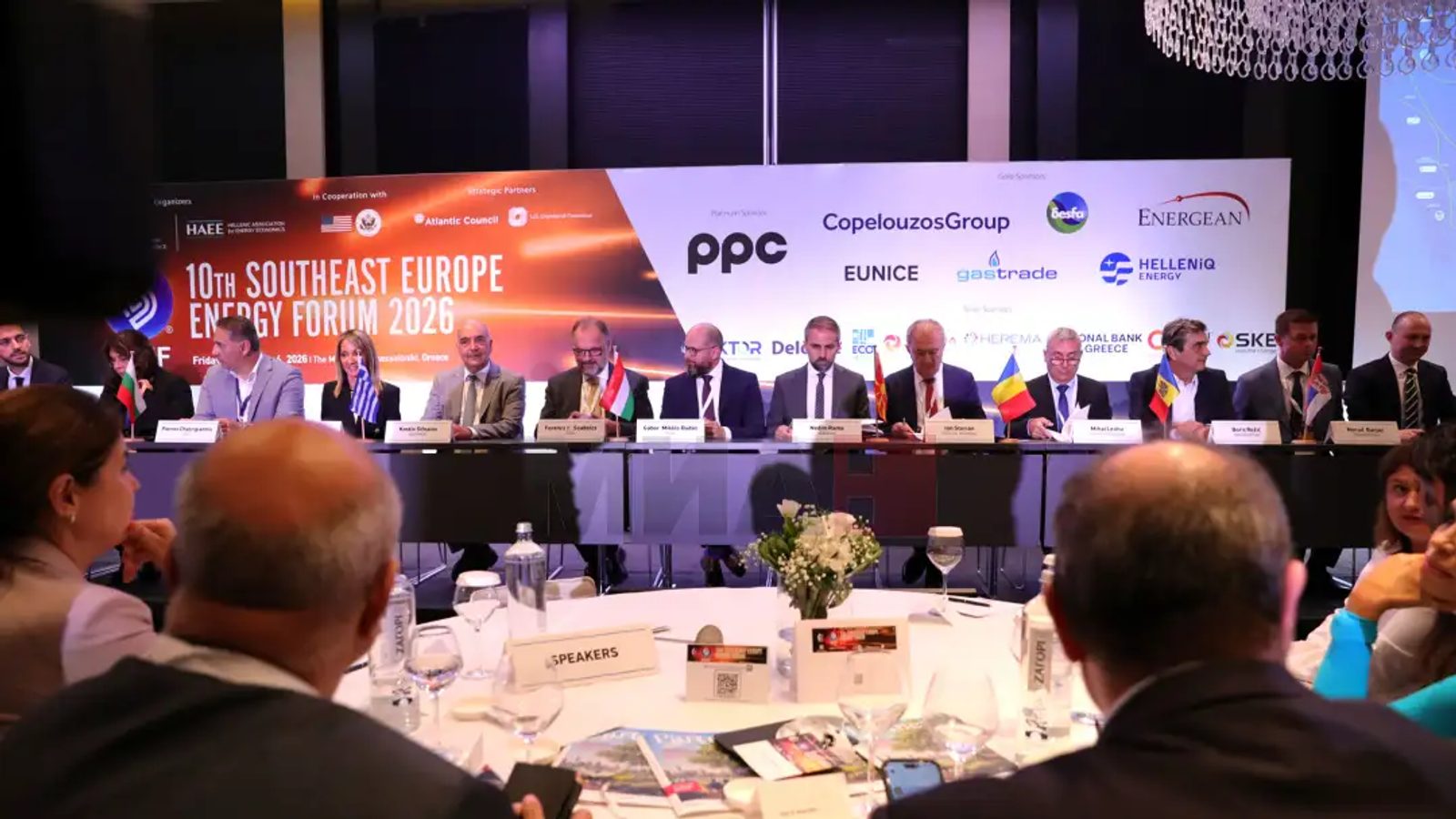
North Macedonia has formally joined the Vertical Gas Corridor after Nomagas AD Skopje signed a Memorandum of Understanding at the 10th Southeast Europe Energy Forum (SEEF) in Thessaloniki.
The memorandum was signed today by Nomagas executive director Nedim Rama and brings the country into a regional initiative that links gas transmission systems across Greece, Bulgaria, Romania, Hungary, Slovakia, Moldova and Serbia.
What the agreement means
"For North Macedonia, joining the Vertical Corridor will strengthen regional cooperation, support better integration of our national gas transmission system with the wider European network, diversify gas supply routes and improve supply security in the region," said Nedim Rama.
The document establishes a framework for coordinated development and operation of mutually connected transmission systems, focusing on better use of existing infrastructure, removing bottlenecks, increasing interconnection capacities and enabling two-way gas flows. A steering committee composed of the chief executives of the signatories and a project team will manage implementation and can form technical, commercial and regulatory working groups as needed.
Energy Minister Sanja Bozhinovska, who attended the SEEF panel where the memorandum was signed, described the corridor as more than pipeline infrastructure: a new security, economic and geostrategic architecture for Southeast Europe. She said the country’s diplomatic push led to the accession.
"Today I am extremely proud to say that, after intensive diplomatic efforts, North Macedonia officially joins the Vertical Gas Corridor. This is a historic moment through which, after three decades, we end our full dependence on a single gas route," Minister Bozhinovska said.
The new memorandum replaces the previous agreement dated 19 January 2024 and will remain in force for three years, with automatic extension for one additional year unless an objection is raised. Nomagas noted that cooperation covers technical, regulatory and commercial issues to make the corridor more flexible, competitive and attractive for network users.
Officials also reminded of parallel domestic projects: the gas interconnector with Greece currently under construction and the planned 23-kilometre interconnector with Serbia. Minister Bozhinovska said the Greece interconnector is expected to become operational in 2027, initially providing 1.4 billion cubic metres per year with the potential to double to 2.8 billion cubic metres in the future.
Photo: MIA