Tetovo bean production falls as climate change and youth exodus shrink fields
Organisers of the 14th "Day of the Bean" say hotter summers and declining interest among young people have reduced plantings in the Polog Plain.
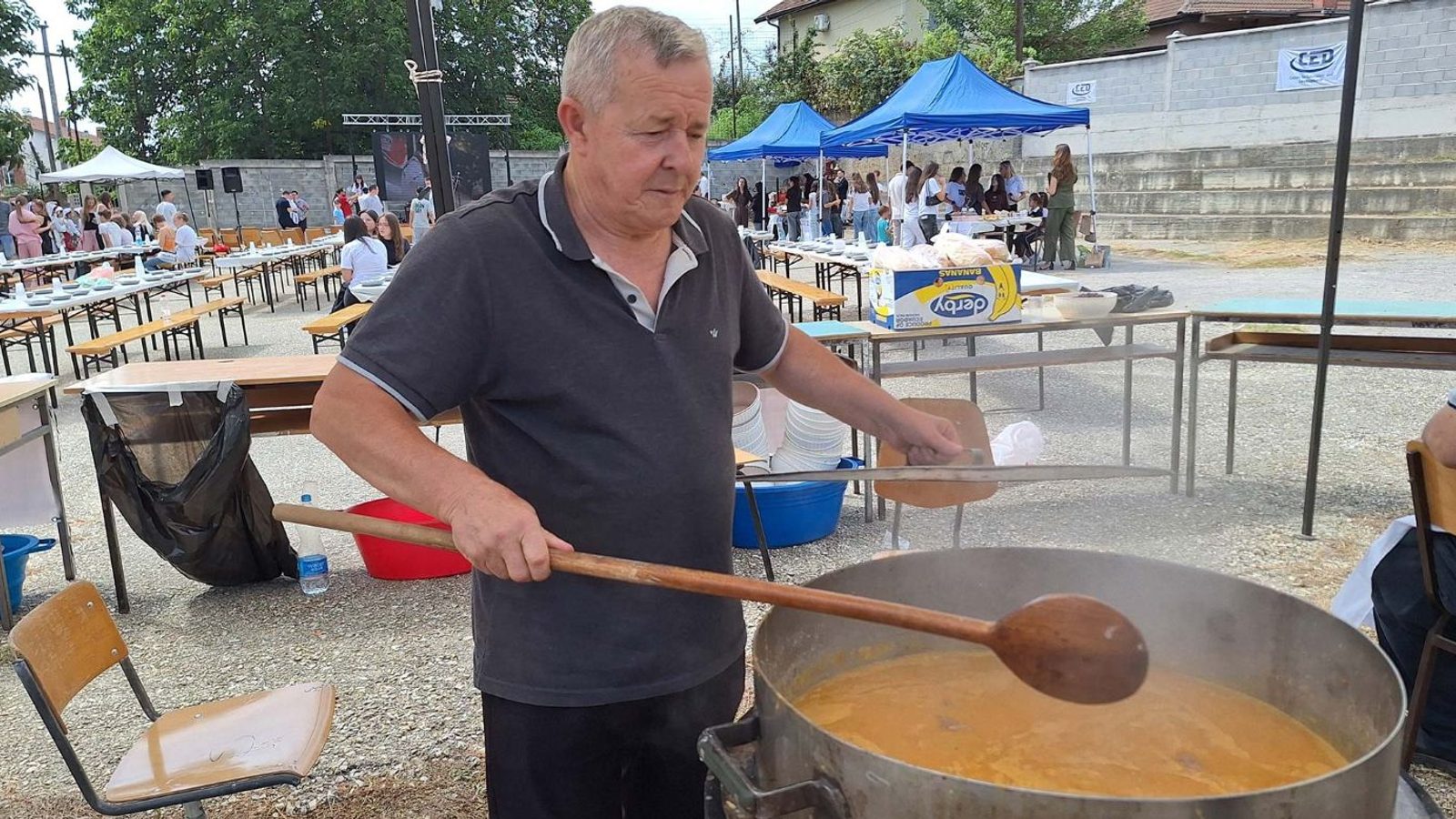
In the village of Tearce near Tetovo, the "Day of the Bean" festival was held for the 14th time as organisers try to revive production of the region's traditional Tetovo bean. Once a staple crop of the Polog Plain, the bean is becoming harder to find on the market even as its price rises.
Organisers point to climate change and an ageing farm workforce
"With our event we want to promote the Tetovo bean as a brand from the Polog region. Each year, for various reasons, and mostly because of climate change, the amount of produced beans decreases. Besides climate change, namely the high summer temperatures that dry out the beans, the reduction is also because very few people remain to plant beans on the Polog fields. Young people are increasingly less interested in engaging in agriculture. Therefore, with our event we want to send a message to young people that if they get involved in growing beans, they will be able to do a bit more in rural areas," says Metin Muaremi of the NGO CED, which organises the festival.
Organisers emphasise two connected trends: hotter, drier summers that damage yields, and a generational decline in those willing to work the land. Both factors, they argue, have steadily reduced the amount of Tetovo bean produced each season.
Locally, farmers who have cultivated beans for years confirm the decline on the fields around Tetovo. They report smaller plantings and lower harvests compared with previous decades.
The festival's organisers say the event is intended to raise awareness and position the Tetovo bean as a regional brand, hoping that greater recognition and participation by younger farmers could help stabilise production and support rural livelihoods.
Photo: SDK.MK)