Heatwaves and lost sleep: how hotter nights are affecting Europe
Rising nighttime temperatures across Europe are making people sleep less and worse, research shows, with wide-ranging health and social effects.
Europe's recent heatwaves are taking a quieter but wide-ranging toll: people are sleeping less and more poorly, with consequences that reach mental and physical health. In the United Kingdom, a survey during a spell of record-high temperatures found that 65 percent of adults reported lying awake for three or more hours a night instead of sleeping.
Large-scale analyses now link rising nighttime temperatures to measurable declines in sleep. One study assembled data covering 165 million nights from almost 318,000 users of wearable and mattress-based sleep trackers to examine how warming affects sleep patterns across populations.
That research found that when overnight temperatures climb from roughly 12°C to 27°C, people are about 40 percent more likely to sleep less than six hours. The change matters because, as Ty Ferguson of the University of Adelaide warns, people cannot maintain cognitive performance, memory or emotional balance if they sleep less than seven hours a night; chronic short sleep is associated with higher risks of diabetes, depression, heart disease and even obesity.
Heat at night is becoming the new normal
Nighttime cooling — once a natural respite from daytime heat — is eroding. In June the meteorological station in the German state of Saxony recorded a tropical minimum temperature of 29.4°C. World Weather Attribution, a scientific group that studies climate influences on extreme events, says such extreme high overnight temperatures are a hundred times more likely because of climate change.
"Sleep is a fundamental physiological need necessary for the functioning of the human immune system, mental health and everyday wellbeing," says Bowen Chu of the School of Atmospheric Sciences at Nanjing University, a co-author of a March study on the potential economic impacts of progressive sleep loss in children. Kelton Mainor, an associate professor at the University of Copenhagen, adds: "Temperatures are rising faster at night than during the day." Researchers and the World Sleep Society have called for a global working group to better understand and prepare for worsening sleep deficits in hotter regions.
Kim van Dalen of the University of Cambridge cautions that the problem receives little publicity. "The consequences accumulate unnoticed, night after night, so they are easy to overlook in reports that focus mainly on deaths and hospitalizations during heatwaves," she says, warning that "heat-related sleep loss will probably further worsen existing health and socioeconomic inequalities." Children may suffer learning and emotional setbacks, while older adults and people with chronic conditions face extra cardiovascular and metabolic strain when sleep is curtailed.
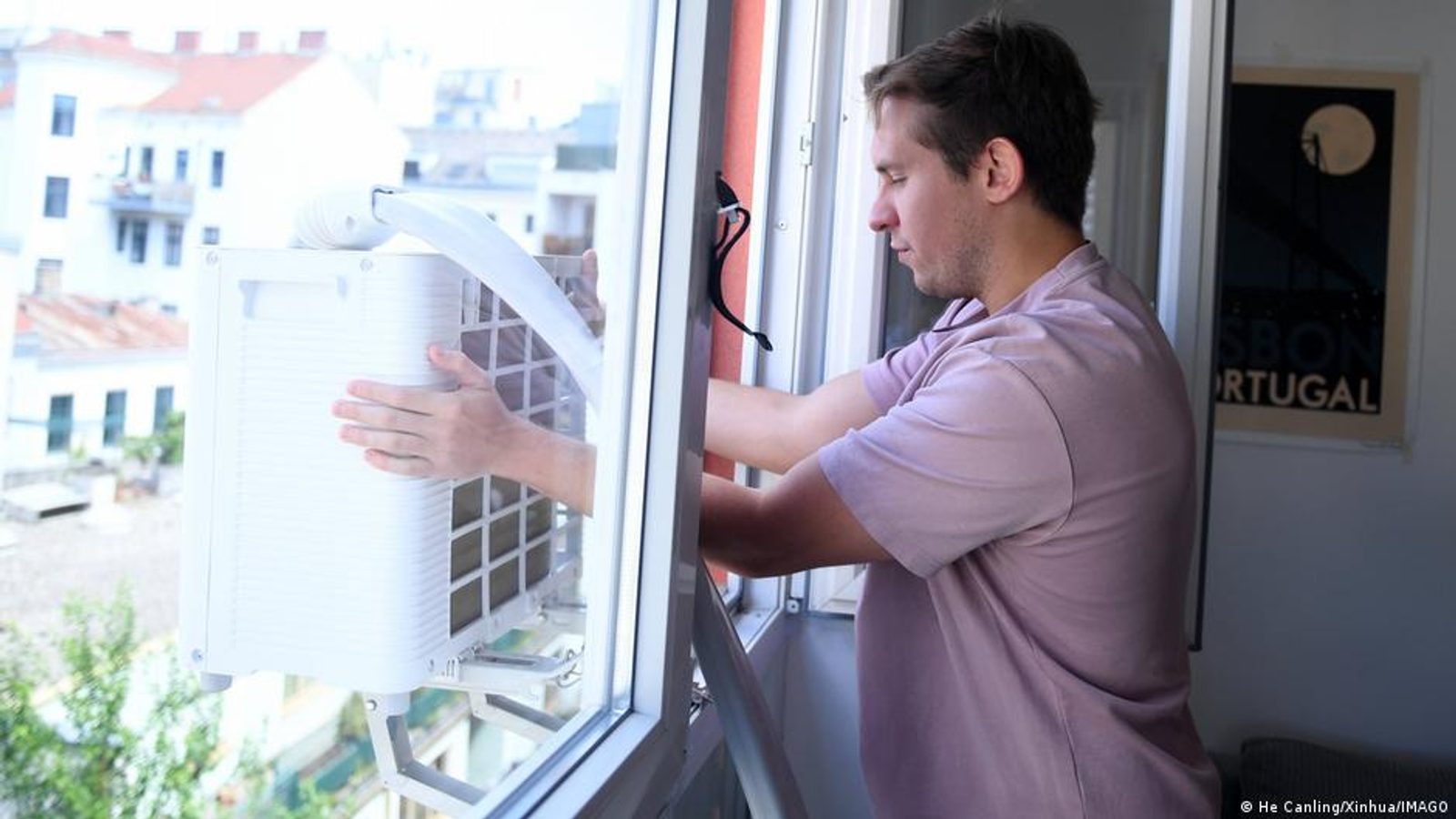
Practical advice offered by researchers ranges from acquiring fans or air conditioning and using lighter, more breathable bedding to improving insulation and passive cooling in buildings. Bowen Chu and others also stress structural changes in cities — more green space, reflective materials and designs that reduce heat absorption — and adjustments such as altering work hours to avoid the hottest periods. Even with aggressive emissions reductions, societies will need to adapt to sleep disruptions for decades because temperatures will take a long time to decline.
Photo: press material from the event