UNICEF: 11,727 children in North Macedonia experienced technology‑enabled sexual abuse
Analysis finds high rates of threats, AI‑generated sexual images and adult perpetrators; disclosures rarely reach formal protection services.
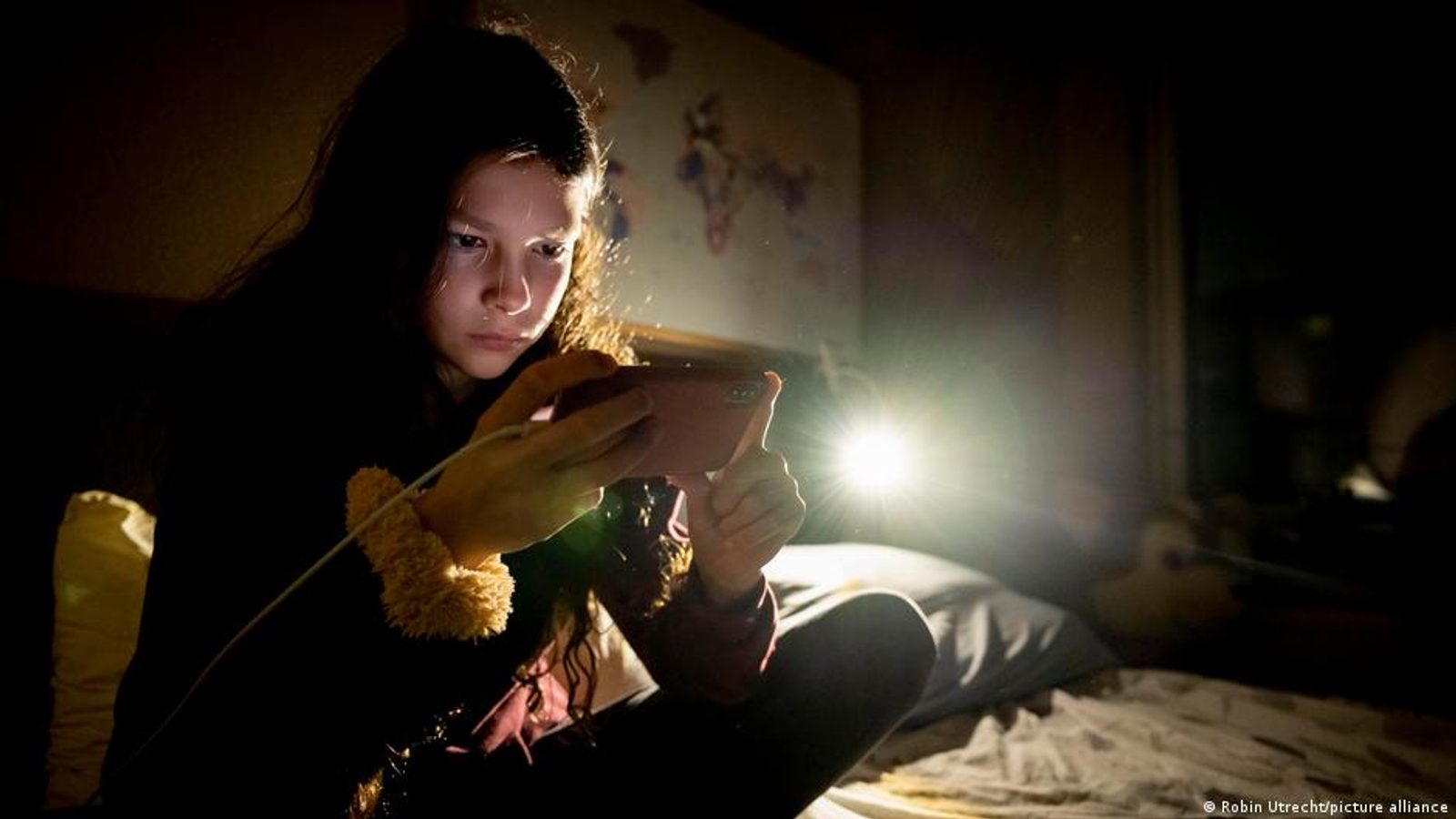
UNICEF analysis finds that 11,727 children aged 12–17 in North Macedonia — about 9.4 percent of young internet users — experienced at least one form of technology‑enabled sexual exploitation or abuse during a single year.
The report highlights several worrying trends that set North Macedonia apart from other countries in the study, calling for urgent action from institutions, families and digital platforms.
Threats, blackmail and AI‑generated images
North Macedonia recorded the highest prevalence among countries in the second round of the study for children who received threats or were blackmailed into sexual activity: 4.4 percent compared with a 3 percent average elsewhere. The country also tops the sample for children threatened with publication of intimate photos or videos (4.2 percent vs. 2 percent average).
The analysis flags new risks linked to artificial intelligence: 4.3 percent of children in North Macedonia reported having sexualized photos or videos generated with AI that depicted them — more than double the 2 percent average across all surveyed countries.
UNICEF warns that most perpetrators are known to the victims: 80 percent of reported cases in North Macedonia involved someone the child already knew — a friend, family member, romantic partner or acquaintance — well above the 57 percent average in the other countries. Nearly six in ten incidents (59 percent) involved an adult perpetrator, compared with 34 percent elsewhere.
The report also links exposure to technology‑enabled sexual abuse with severe mental‑health outcomes: children who experienced such abuse were 8.6 times more likely to report suicidal thoughts or behaviour and 9.4 times more likely to report self‑harm than their peers who had not been exposed.
While disclosure to close contacts is high — 87.6 percent of affected children told someone, typically mothers, fathers, friends or siblings — fewer than 1 percent of cases were reported to formal protection mechanisms such as police, social work centres or helplines. UNICEF calls for strengthened reporting pathways, child‑appropriate support services and greater accountability from technology platforms.
Photo: press material from the event