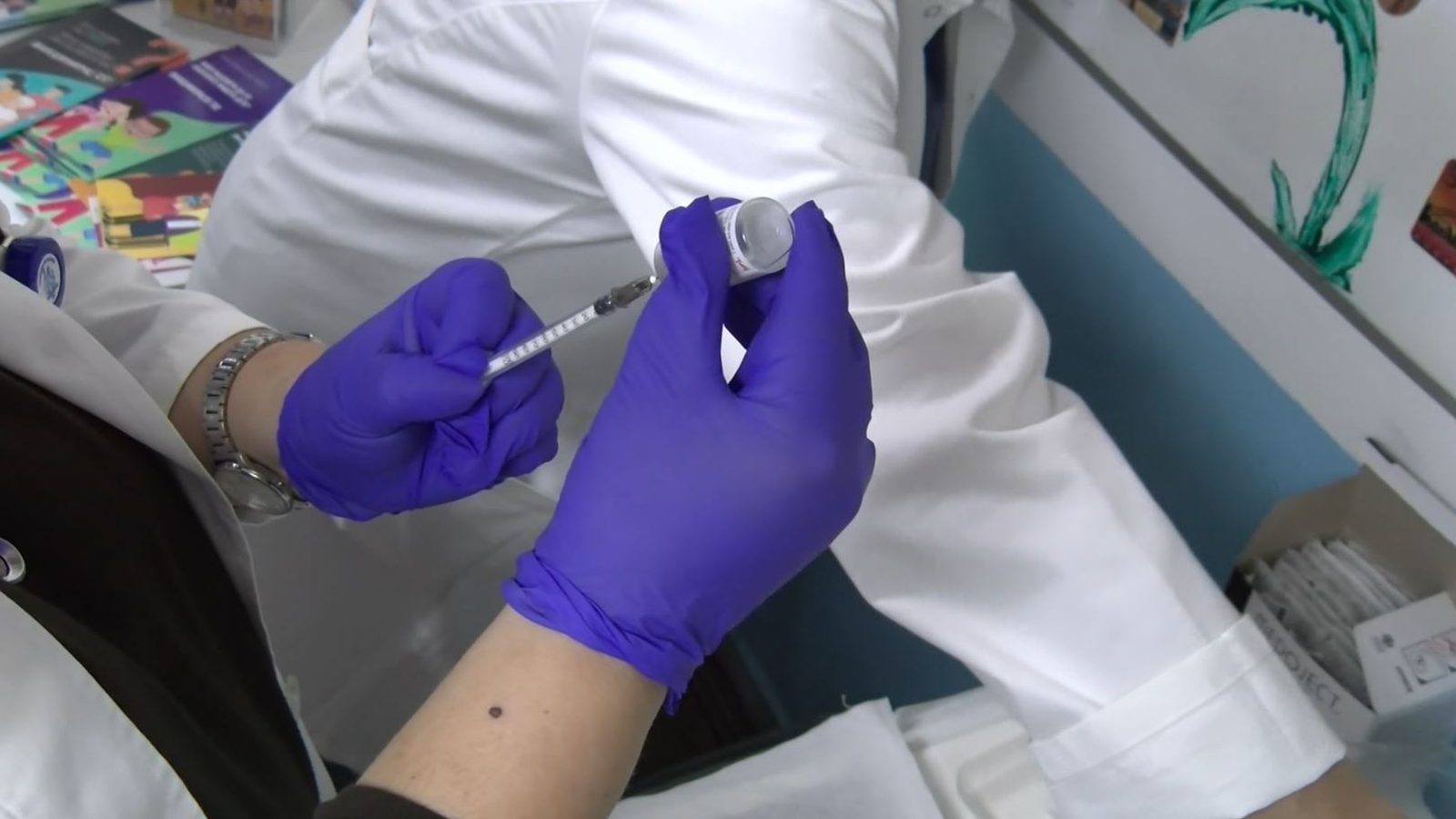
Low interest in seasonal flu vaccination among pregnant women and children
Pediatric outpatient visits at the Kozle clinic have risen but no confirmed influenza cases reported yet, doctors say.
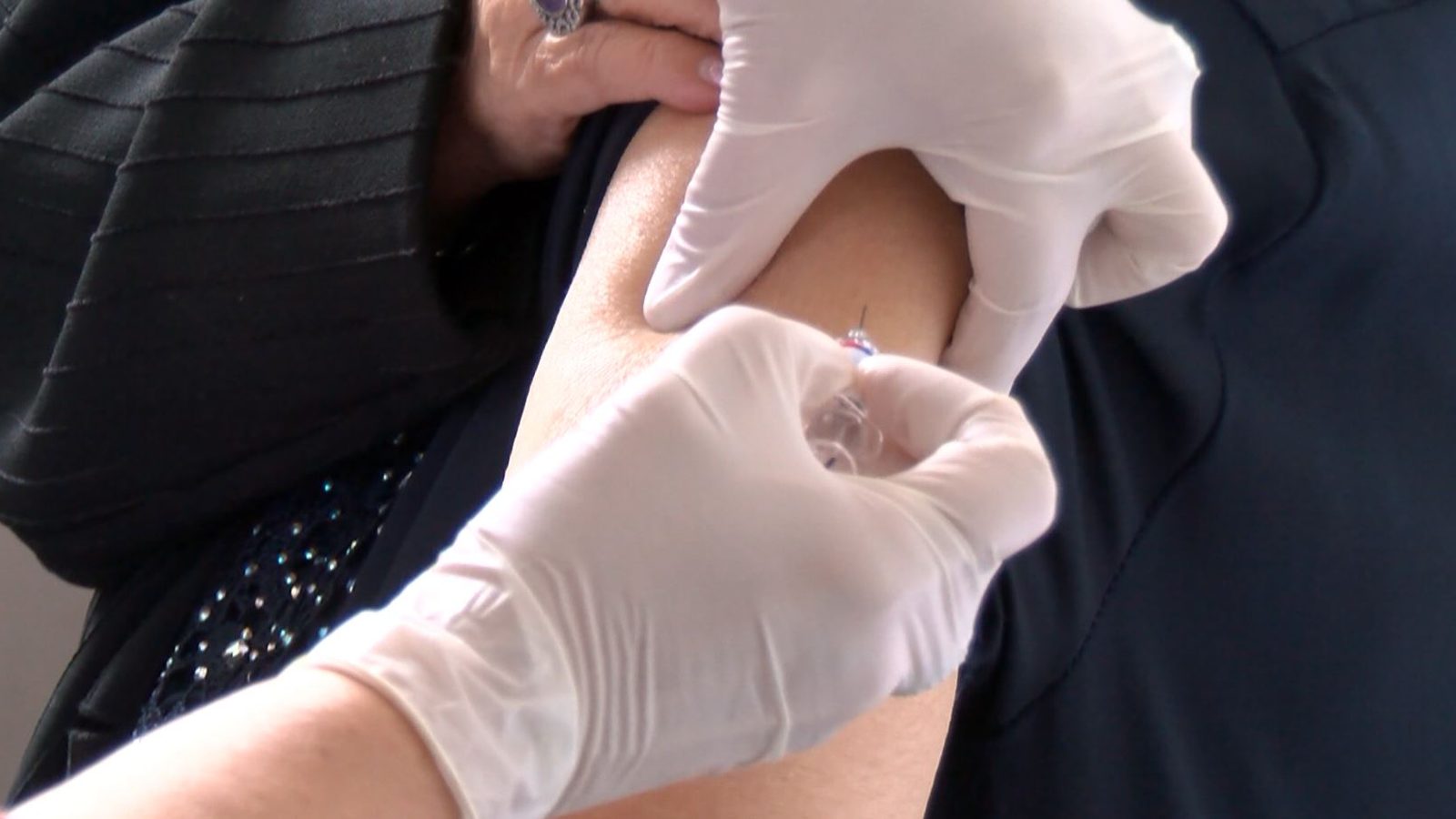
Interest in seasonal flu vaccination remains lowest among pregnant women and children, who are considered a risk group, while take-up is highest among people aged 65 and older and those with chronic illnesses, health specialists say. Pediatric outpatient visits at the University Clinic for Pediatric Respiratory Diseases — Kozle have risen for this time of year, although no confirmed influenza cases have been reported so far.
“Unfortunately in our country the vaccination rate against seasonal influenza among pregnant women and children is still low, but we see the trend increasing over the years. We always recommend that children from six months to five years, for whom vaccination is free, receive the seasonal influenza vaccine, and also children with chronic diseases. The vaccine, like any other vaccine, protects against the most severe forms of the disease. Seasonal influenza most often presents with respiratory symptoms, but neurological and systemic symptoms can also occur with influenza infection, so this vaccine protects against the most severe clinical presentation,” said Dr. Filip Doksimovski of the University Clinic for Pediatric Respiratory Diseases — Kozle.
Clinic workload and hospital cases
At the clinic, the most common complaints among children are respiratory symptoms. Hospitalized children currently present with lower respiratory infections and pneumonia, either of viral or bacterial origin. Some require oxygen support, which the doctors say is not unexpected at this time of year.
“At the moment we have around 5–6 children who are on oxygen support. But despite that I can say their condition is stable,” Dr. Filip Doksimovski said.
Physicians urge parents to act promptly if a child develops pronounced cough or a raised body temperature: keep the child out of kindergarten or school, begin home care and symptomatic treatment in consultation with the child’s primary doctor, and monitor the condition so appropriate measures can be taken without delay.
Report by Nina Stefanova.
Photo: press material from the event